Lunchbox-batch cinnamon-bun bakers
If you usually make one family-sized dough, check that the included tool and the exact model’s published dough or flour limit suit your recipe before choosing a bigger bowl.


Choose a stand mixer with a dough tool and a published dough or flour limit that covers your cinnamon-bun recipe, rather than judging it by bowl size alone. A compact or mid-size mixer may suit a routine lunchbox batch; a larger bowl or integrated weighing becomes more relevant if you regularly double recipes or want those features for other baking.
If you usually make one family-sized dough, check that the included tool and the exact model’s published dough or flour limit suit your recipe before choosing a bigger bowl.
If the mixer must be put away after use, its dimensions, weight and storage position matter alongside its ability to handle your dough.
If you double doughs or make several bakes in one session, consider the stated dough limit and whether a larger bowl or integrated weighing fits the way you work.
Start with your usual recipe quantity and the exact mixer’s dough or flour limit. Then decide how much space you can give it and whether you would use extra baking features.
| Concern | What to check | Who this matters to |
|---|---|---|
| Dough capacity and tool | Compare your recipe with the exact model’s stated dough or flour limit, using the same measurement basis, and check the bundle’s in-box tool list. | When I double a cinnamon-bun recipe, I need the mixer’s stated limit and included kneading tool to cover that batch; around 43% of consumers put dough capacity and the tool first. |
| Space and storage | Measure the working area and storage space, including overhead clearance, and check the mixer’s dimensions and weight. | If I put the mixer away after each bake, I need to be able to lift it and fit it in its storage place; space is the primary concern for roughly 29% of consumers. |
| Baking workflow | Check which bowls and accessories come with the exact bundle and whether any extra attachment fits that mixer model. | When I make dough and other bakes in the same session, convenient weighing or a second bowl matters more to me; around 28% of consumers prioritise that workflow. |
A bowl’s volume does not tell you the model’s rated yeasted-dough or flour limit. Those limits also use different measurement bases.
Compare your recipe with the exact model’s published limit and check that a suitable dough tool is included.
Extra batch room is less useful for routine lunchbox baking if the machine does not fit your working or storage space. Bosch advises considering storage, counter space and bowl size together.
Measure the counter, cupboard and clearance above the mixer before choosing its size.
KitchenAid’s compatibility information lists model-specific exclusions, so a shared brand name does not establish that an accessory will fit.
Check the attachment code against the exact mixer model before ordering it.
A manufacturer’s product page can describe a model even when that model is unavailable from the manufacturer. The retailer’s bundle may also differ.
Check the retailer’s exact model number, included tools and current availability before ordering.
These named product lines illustrate different bowl sizes and features; check the specifications and availability of the exact model you intend to buy.
The Chef and Chef XL lines offer a choice between the cited 4.6L everyday model and a 6.7L larger-bowl model.
The cited Artisan 5KSM175PS is a tilt-head option with two bowls for buyers who also make other bakes.
The cited Series 2 and Series 6 models illustrate a compact storage choice and a larger machine with integrated weighing.
These mixers offer compact and mid-size options for making cinnamon-bun dough. Before choosing one, match its exact dough or flour limit to your recipe and consider where you will use and store it.
 No image available
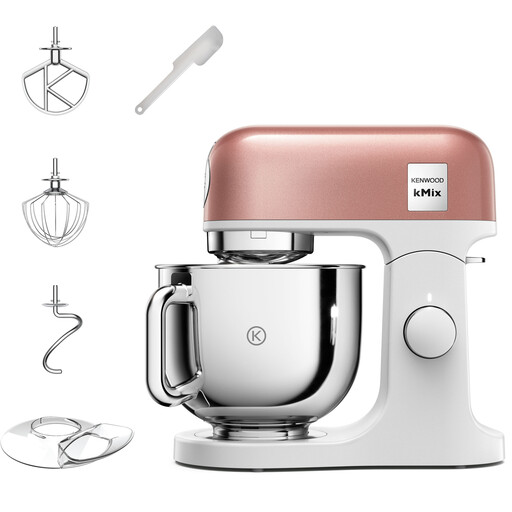
Consider this option if you need to store your mixer between lunchbox bakes. The product name specifies a 4.3L bowl and 1000W rating; compare the stated flour-based limit with your recipe’s flour quantity.
 No image available
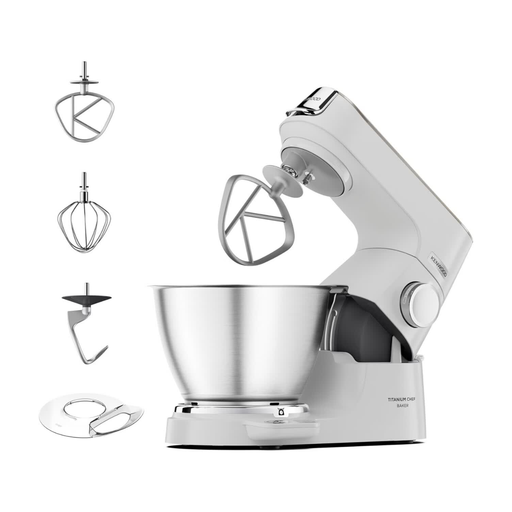
Consider this model if you regularly make yeast dough as well as other bakes. Check its stated stiff-yeast-dough limit against your cinnamon-bun recipe, and measure your storage space before ordering.
 No image available
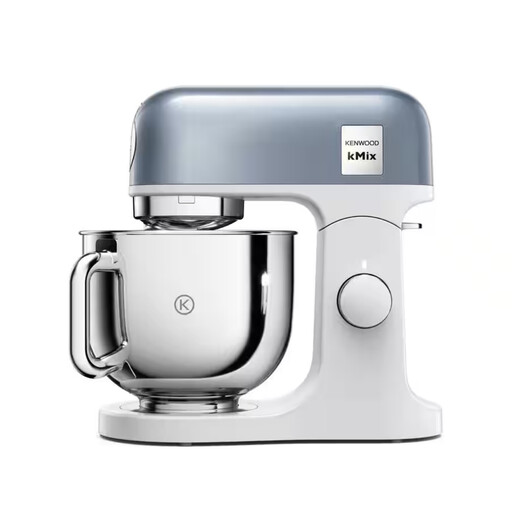
Consider this model if weighing ingredients at the mixer would help your baking routine. Check its dough limit against your recipe and plan where the machine will stay or be stored.
 No image available
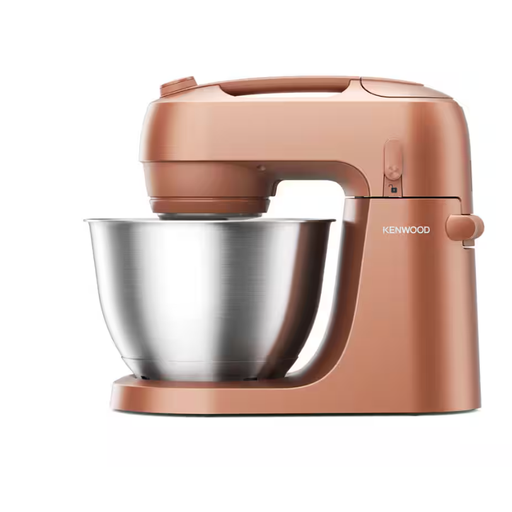
Consider this mixer for regular baking if its exact-model dough limit covers your intended batch. Confirm the included bowl and its material with the seller before choosing this variant.
 No image available
Consider this compact option if cupboard storage is central to your choice. Check the exact model’s dough limit against your recipe and measure the full storage space, not just its height.
Look for a published dough or flour limit that exceeds the quantity in your usual recipe, rather than choosing by bowl litres alone. For comparison, Kenwood lists a 2.18kg dough capacity for Chef KVC3100W, while KitchenAid lists a 1kg flour maximum for its 4.8L Artisan family; dough weight and flour weight are different measures.
Check the exact bundle rather than assuming it does. The cited Kenwood Chef KVC3100W, KitchenAid 5KSM175PS and Bosch MUMS2EW00G product information lists a dough or kneading tool, but bundle contents can differ between models.
You can consider extra attachments once you have checked the precise mixer model and attachment code. KitchenAid’s compatibility information includes model-specific exclusions, so the brand name alone is not a sufficient fit check.
Follow the manual for your exact mixer and its individual tools, and remove dough residue promptly. Bosch describes accessories for the cited Series 2 model as generally dishwasher-safe, while Kenwood identifies the cited Chef KVC3100W bowl as dishwasher-safe; neither statement covers every attachment or finish.
Confirm the exact model’s electrical rating, plug arrangement and manufacturer documentation with the seller. The Office for Product Safety and Standards’ electrical-equipment guidance concerns products supplied in or into Great Britain; requirements can differ in Northern Ireland.