Shared-kitchen cake bakers
You make cake batter in a kitchen other people use, so the bowl and tools need a manageable cleaning routine and the mixer needs an agreed place to live between bakes.


For one coconut cake at a time, start with a 3.8–4.8 L stand mixer that you can store between uses, and check how its bowl and cake-mixing tools must be cleaned. Consider a larger mixer with a second bowl when you regularly make doubled recipes or separate components, but allow for its greater size and weight. If the shared kitchen is a food business, the mixer must also fit its cleaning and allergen-control procedures.
You make cake batter in a kitchen other people use, so the bowl and tools need a manageable cleaning routine and the mixer needs an agreed place to live between bakes.
You usually make a single cake and need to check that the mixer, its bowl and any head-lift clearance fit the worktop or cupboard available to you. Bosch positions its Series 2 range as a space-saving option.
You often double recipes or prepare several components. A larger bowl or a second bowl may reduce changeovers; Kenwood lists both 7 L and 5 L bowls for its Titanium Chef Baker XL KVL85.004SI.
For coconut cake in a shared kitchen, check how the mixer will be cleaned and stored alongside its suitability for your usual batter and batch size.
| Concern | What to check | Who this matters to |
|---|---|---|
| Cleaning and separation | Check the exact bowl and tool-care instructions, and whether removable parts can be cleaned and stored as your kitchen requires. | When someone else needs the kitchen after I bake, I want to be able to clean the bowl and tools thoroughly and keep them separate where needed. Around 31% of consumers would put that cleaning need first. |
| Batter mixing and control | Confirm that a cake-mixing beater is supplied and assess the speed controls; check independent reviews for bowl-scraping observations. | If I add coconut cake ingredients gradually, I want control over mixing without assuming a higher wattage will improve the batter. For around 31% of consumers, mixing control is the primary concern. |
| Worktop and storage space | Measure the allocated space, including access to the bowl or clearance for a raised head, then compare the exact mixer’s dimensions and weight. | I need to clear the worktop after baking, so lifting and storing the mixer matter as much as where it sits during use. Storage would come first for around 23% of consumers. |
| Batch capacity | Compare bowl sizes and the manufacturer’s stated cake capacity with your usual recipe; check whether a second bowl is included. | When I regularly make doubled recipes or separate cake components, I want enough bowl capacity to avoid repeated changeovers. Around 15% of consumers would prioritise that larger-batch need. |
Wattage does not establish how well a mixer handles one cake batter. Which? reported that all the stand mixers it tested could make a good sponge cake, while mixing time, ease of use and the need to scrape the bowl varied.
Check the supplied cake-mixing tool, speed controls and your normal batch size rather than treating the motor rating as a cake-quality score.
Bosch lists the MUMS2VM40G at 266 × 266 × 277 mm. Kenwood lists the larger Titanium Chef Baker XL KVL85.004SI at 22.5 × 37 × 40 cm and 11.5 kg. Those model-specific dimensions make a difference when equipment must be put away after use.
Measure the shared worktop and cupboard, and allow room to reach the bowl or raise the mixer head where applicable.
A part’s dishwasher-care instruction does not, by itself, establish that cross-contact is controlled. For food businesses, the Food Standards Agency calls for practices that prevent contamination and protect food from allergen cross-contamination.
If the kitchen is a food business, choose equipment that fits its cleaning, separation and storage procedures. In a domestic shared kitchen, agree how the removable parts and nearby surfaces will be cleaned before the next use.
These model and range examples illustrate different capacity and storage choices; check the specifications of the exact mixer you intend to buy.
Kenwood’s Titanium Chef Baker XL KVL85.004SI is a larger-batch option for bakers who regularly need more than one bowl.
Bosch presents its Series 2 range as a space-saving route; the MUMS2VM40G provides a specific compact example.
KitchenAid offers tilt-head and bowl-lift mixers across several bowl sizes, including 4.3 L and 4.7–4.8 L options.
Smeg describes its stand-mixer range as a 4.8 L option with 10 speed settings and planetary mixing.
These stand mixers are options to assess for coconut cake batter in a shared kitchen. Compare each exact model’s bowl, tool-care instructions and storage requirements with your usual recipe and the space available.
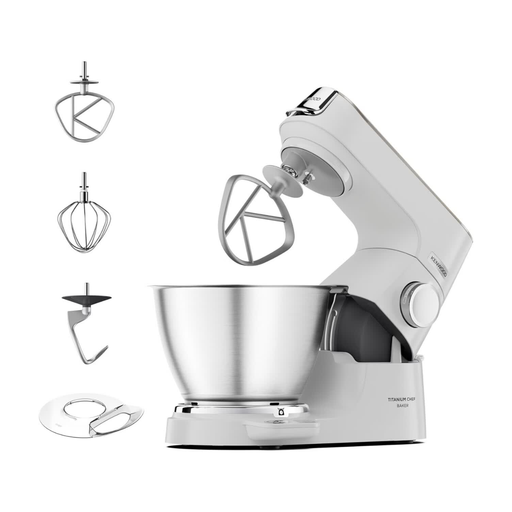 No image available
If you normally make one cake at a time, compare this model’s bowl with your recipe and the space you have for storing the mixer.
Joybuy identifies the KVC65.001WH with a 4.6 L bowl and a 1200 W rating. Confirm the supplied bowl and its care instructions for your cleaning routine.
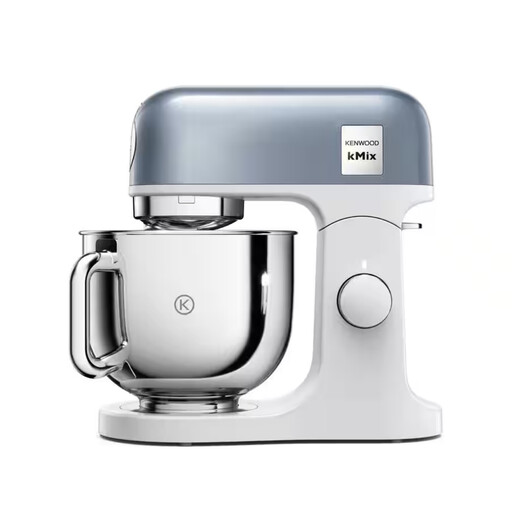 No image available
For shared-kitchen baking, check this variant’s bowl size against your usual coconut cake batch, then confirm its tool-care instructions and storage fit.
 No image available
Consider this model if a 4.3 L bowl matches your usual cake recipe, while checking that the mixer fits its allocated worktop or cupboard space.
The product title specifies a 1000 W rating and three bowl tools. Check which tools are supplied and how each should be cleaned.
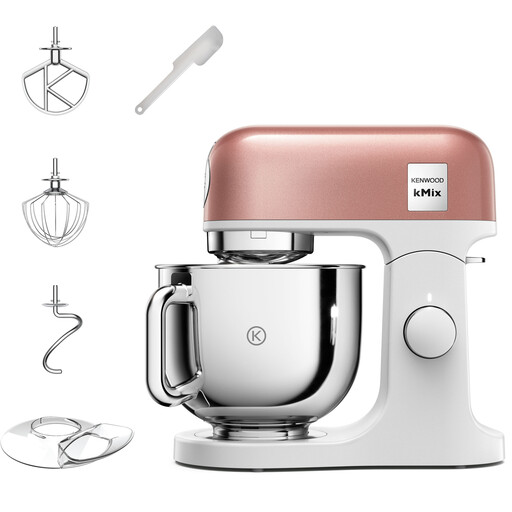 No image available
If several people will use or move this mixer, check its dimensions, weight and bowl access against your shared space. Confirm the exact bowl and attachment-care instructions before relying on a particular cleaning routine.
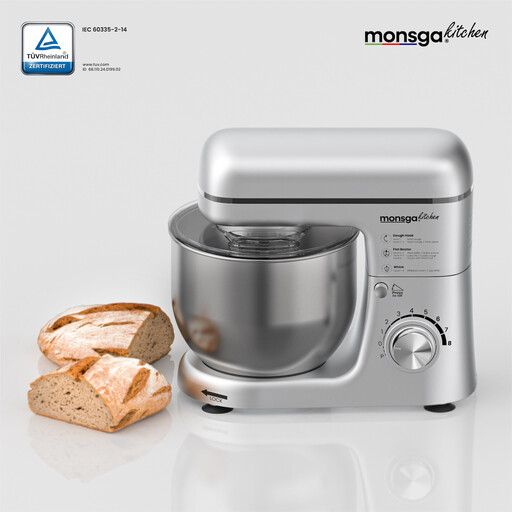 No image available
If you want to assess a larger bowl for your coconut cake batches, check that the appliance itself fits the shared worktop and storage space.
The product title specifies eight speed settings, a whisk, a dough hook and a splash guard; it describes the 1000 W figure as peak power. Check the care instructions for each tool separately.
Usually not if a 3.8–4.8 L bowl accommodates your recipe and the mixer fits your storage space. Consider a larger bowl or a second bowl when doubled recipes or separate components are a regular part of your baking, rather than assuming extra capacity improves a single cake.
Clean the bowl, the tools used for the batter, any splash guard and surfaces that received batter. Follow the exact model’s care instructions: Kenwood identifies the supplied tools for its Titanium Chef Baker XL KVL85.004SI as dishwasher-safe, while Bosch describes accessories for its MUMS2VM40G as generally dishwasher-safe.
The mixer needs to fit the business’s cleaning and allergen-control procedures, not merely offer removable or dishwasher-safe parts. Food Standards Agency guidance calls for practices that prevent and control contamination and protect food from allergen cross-contamination.
No wattage figure alone establishes better cake-batter results. Compare the supplied beater, bowl size and speed controls with your usual batch; Which? found that its tested stand mixers could make a good sponge cake, although mixing time, ease of use and bowl scraping differed.