For occasional doughnut-batter batches in a holiday cottage, start with a compact stand mixer that has the tools your recipe needs and fits the space where you will store it. A larger mixer makes more sense for repeated large batches or broader baking, provided you have a stable worktop and are comfortable moving and storing it. Check the exact model’s bowl capacity, supplied tools, dimensions and weight before choosing.
Who this is for
Bakers short on cottage storage
You need a mixer that fits away between stays and is manageable to lift or carry. Measure the intended cupboard as well as the worktop: a compact footprint alone will not tell you whether the machine is easy to put away.
Bakers making batches for a group
You plan to make doughnuts for several guests, perhaps alongside cakes or dough during the stay. Bowl capacity and the supplied tools may matter more to you than frequent transport.
Occasional batter makers
You want a straightforward setup for batter rather than a machine chosen mainly for a wider range of attachments. Check that the exact model supplies the mixing tools your recipe calls for and that you have somewhere practical to keep them.
What matters when choosing
Decide where the mixer will live and whether you will carry it between stays, then match the bowl and supplied tools to the amount and type of mixture you plan to make.
| Concern | What to check | Who this matters to |
|---|
| Storage and portability |
Measure the cupboard and worktop, including clearance above the mixer; check its weight if you will transport it. |
If I have to put the mixer away after each stay, I need to be able to lift it and fit it in the available space. Around 42% of consumers put storage and portability first. |
| Batch capacity and other baking |
Compare the bowl volume and the maker’s relevant recipe capacity with your planned batch; check for a dough tool if you will also make yeasted dough. |
When I am baking for several guests or making other doughs, I need a bowl and tools suited to those quantities. For around 33% of consumers, batch capacity and broader use take priority. |
| Simple batter mixing |
Check the exact model’s whisk and beater or stirrer, speed controls and cleaning instructions. |
For an occasional cottage bake, I want to mix the batter without setting up more equipment than I need. Straightforward mixing is the primary concern for around 25% of consumers. |
Buying pitfalls
-
Choosing by wattage alone
Motor wattage does not tell you whether the mixer fits the cottage, supplies the tools your batter needs or accommodates your planned batch.
Start with your recipe quantity and storage space, then check the exact model’s bowl, tools, dimensions and controls.
-
Buying a large mixer without a place to keep it
A larger bowl can be useful for substantial batches, but the machine still needs a stable worktop, storage space and a practical lifting arrangement. Kenwood lists its Chef XL KVL4100W at 7.84 kg and its Go KZM35.000RD at 6.3 kg; those figures apply to the named models.
Measure both spaces and decide whether the mixer will remain at the cottage or travel with you.
-
Overloading an extension lead
Electrical Safety First warns that overloaded extension equipment can overheat and create a fire risk.
Use a sound wall socket where possible. If you need an extension, check its rating against the connected appliances, do not daisy-chain leads and fully unwind a cable reel.
-
Treating food made for sale as private baking
If the doughnuts are part of a food business, registration and food-hygiene requirements need attention. The Food Standards Agency says someone starting or taking over a food business must register with the local authority at least 28 days before trading or food operations start.
Clarify whether your activity is a food business before you begin and follow the relevant local-authority and Food Standards Agency guidance.
Allow time to arrange registration and appropriate cleaning and cross-contamination controls for the activity.
Brands to consider for these mixer formats
Kenwood
Kenwood’s Go KZM35.000RD illustrates a compact 4 L option, while its Chef XL KVL4100W illustrates a larger 6.7 L option for buyers planning bigger batches.
- Kenwood lists a whisk, K-beater and dough tool for the cited Go model, which stands 30 cm high.
- The cited Go weighs 6.3 kg and the Chef XL 7.84 kg; consider the lifting and storage space each named model would require.
Bosch
Bosch’s Series 2 is a compact-format reference for buyers seeking a conventional stand mixer with batter tools.
- Bosch lists a 3.8 L bowl, 3.0 kg weight and 27 × 27 × 28 cm dimensions for its Series 2 comparison model.
- The cited MUMS2EW00G is no longer available. Check the specifications and included tools of any current model rather than transferring that model’s details to it.
KitchenAid
KitchenAid’s 5KSM70SHX is a 6.6 L bowl-lift reference for a cottage kitchen where larger batches and a more permanent worktop position matter.
- KitchenAid lists a whisk, dough hook and paddle, alongside 11 speeds, for the named model.
- Before choosing a large bowl-lift machine for occasional batter, check its worktop clearance and whether it mixes your usual recipe quantity effectively.
Joybuy product choices
These stand mixers offer options to consider for cottage batter mixing, from models to assess for limited storage to machines better suited to staying on a worktop. Check the exact variant’s tools and your recipe quantity before buying; bowl volume alone does not establish a doughnut-batter batch size.
 Image unavailable
Kenwood Prospero+ KHC29.A0SI stand mixer, silver
Consider this for occasional cottage batches if its size and supplied tools suit your storage space and recipe.
The product title specifies a 4.3 L bowl, 1000 W rating and three bowl tools; check which tools are supplied and the suitable batch size for your doughnut batter.
View on Joybuy
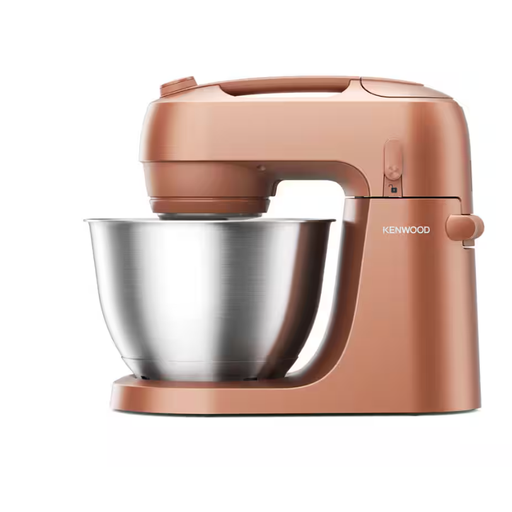 Image unavailable
Kenwood Go stand mixer, Red Clay
If you plan to store a mixer between cottage stays, check whether this Red Clay variant fits your cupboard and is comfortable for you to lift.
Confirm its included batter tools and a suitable batch quantity for your recipe before ordering.
View on Joybuy
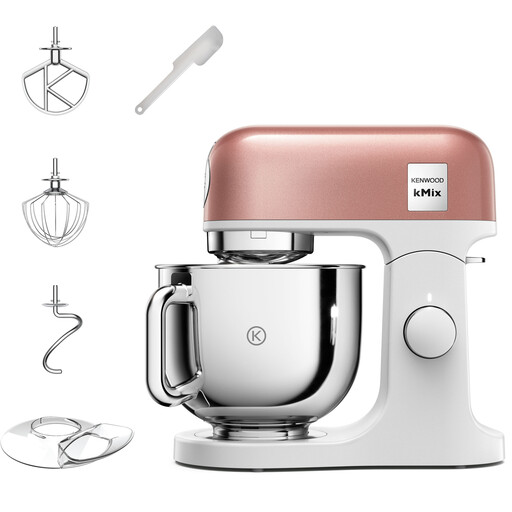 Image unavailable
Kenwood kMix Editions KMX760API, Apricot Pink
Consider the KMX760API if the mixer can have a practical worktop or storage position during your stay.
Check its lifting weight, supplied whisk and beater, and suitable quantity for your doughnut-batter recipe.
View on Joybuy
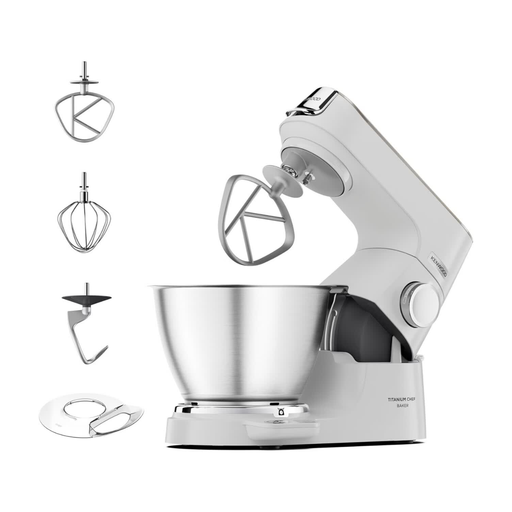 Image unavailable
Kenwood Chef Baker KVC65.001WH, white
Consider this model for a cottage kitchen where the mixer can stay on a stable worktop rather than be carried frequently.
Confirm the supplied mixing tools, available head clearance and a suitable batch quantity for your recipe.
View on Joybuy
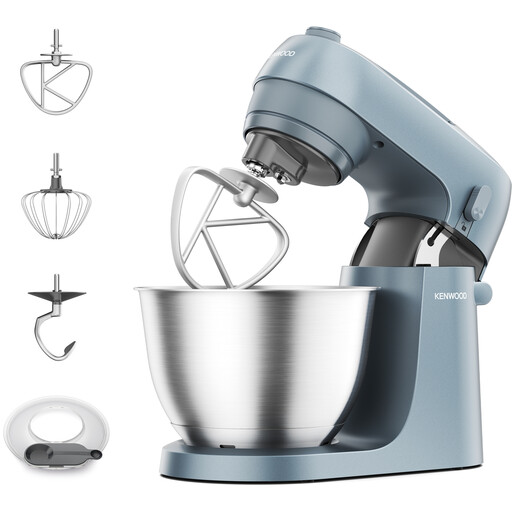 Image unavailable
Kenwood Go KZM35.000GY stand mixer, blue
For occasional cottage baking, assess this blue KZM35.000GY variant against the space where you will use and store it.
Check the exact variant’s bowl capacity, supplied beater and whisk, and the quantity your doughnut recipe requires rather than relying on figures for another Go model.
View on Joybuy
Questions about cottage baking
Do I need a large stand mixer just for doughnut batter?
Not necessarily: for an occasional cottage batch, choose a bowl that suits your recipe and a model with the tools you need, while allowing for storage and carrying. A larger machine is easier to justify if you regularly make substantial batches or also plan other baking that needs its capacity and tools.
Can I use a stand mixer with an extension lead at the cottage?
Use a suitable extension only if its marked rating can accommodate the connected load. Electrical Safety First advises against overloading or daisy-chaining extension equipment and says cable reels should be fully unwound; also check that the mixer lead, plug and socket are in good condition before use.
What should I clean before mixing batter in a cottage kitchen?
Check and clean the bowl, mixing tools and work area as appropriate before use, following the appliance’s instructions. If you are preparing food as a business, Food Standards Agency guidance also addresses equipment cleaning and measures to prevent cross-contamination.
Must I register if I sell doughnuts made in a holiday cottage?
If you are starting or taking over a food business, the Food Standards Agency says you must register with the local authority at least 28 days before trading or food operations start. That requirement concerns food-business activity rather than simply cooking privately for friends or family; ask the relevant local authority if you are unsure how your activity is classified.


