Small-batch lunchbox bakers
If you usually make one modest batch of cake-style batter, focus on the appropriate mixing tool, bowl access and cleaning rather than capacity intended for much larger recipes.


For an occasional small batch of pourable doughnut batter, choose a mixer with the whisk or beater your recipe calls for, usable speed control and a bowl that is easy to access; extra bowl capacity need not drive the decision. If you also make yeast-raised doughnuts or regularly prepare several batches, check for a dough hook and the exact model’s stated dough limit, while allowing for the space and lifting involved with a larger machine.
If you usually make one modest batch of cake-style batter, focus on the appropriate mixing tool, bowl access and cleaning rather than capacity intended for much larger recipes.
Yeast-raised dough changes the buying decision: check that the mixer has a dough hook and that your planned recipe fits the exact model’s stated dough limit.
If you prepare several lunchbox portions or also bake bread and cakes, bowl size and the tools you will actually use become more important.
Decide whether your usual recipe makes pourable batter or yeast-raised dough, then size the mixer for your largest planned batch and the space available to store it.
| Concern | What to check | Who this matters to |
|---|---|---|
| Mixing for the recipe | Check the supplied whisk or beater and speed settings; for yeast-raised dough, check for a hook and a stated dough limit. | If I switch between cake-style batter and yeast-raised dough, I need tools that suit each recipe rather than choosing by motor rating alone. Around 40% of consumers put recipe-appropriate mixing first. |
| Batch capacity | Compare usable bowl volume and the maker’s stated cake-mixture or dough limit for the exact model. | When I prepare several lunchbox portions at once, I want my largest planned recipe to fit the bowl and the relevant mixing limit. For around 30% of consumers, capacity is the primary concern. |
| Storage and longer-term use | Check dimensions, lifting weight, cleaning instructions and which attachments are supplied rather than optional. | If I put the mixer away after each use, lifting and cupboard space matter; if I plan other baking tasks, I need to know which tools I would use. Storage, cleaning or wider use comes first for around 30% of consumers. |
A power rating does not tell you whether the bowl, tools or stated dough limit suit your recipes.
Compare the exact model’s supplied tools, bowl capacity, speed settings and dimensions before giving weight to its motor rating.
A pourable batter calls for the whisk or beater specified by its recipe; yeast-raised dough calls for kneading equipment and an appropriate stated capacity.
Check a recipe you expect to make before choosing the mixer and its tools.
Compatibility with optional accessories does not mean those accessories come with the mixer.
Compare the supplied mixing tools first, and consider optional attachments only for tasks you expect to do.
Extra attachments also need storage space.
Making a household lunchbox is different from operating a food business. The Food Standards Agency says food businesses must register with their local authority at least 28 days before trading.
If you plan to sell doughnuts, check the Food Standards Agency’s registration and food-safety guidance before starting, including how to control allergen cross-contamination.
The MUM Series 2 MUMS2VM40G is a compact-route reference for modest batches; its specifications should not be assumed to apply to other Bosch mixers.
The Artisan 5KSM125 is a mid-sized reference if you want to use one mixer for batter and occasional dough.
The Chef XL KVL4100W is a larger-bowl reference for people who expect to make several batches or use the mixer for other baking.
These stand mixers offer choices for lunchbox-sized batter preparation and, where the tools and model limits suit your recipe, other baking tasks. Check the precise variant’s supplied tools and batch limits before choosing for yeast-raised dough.
 No image available
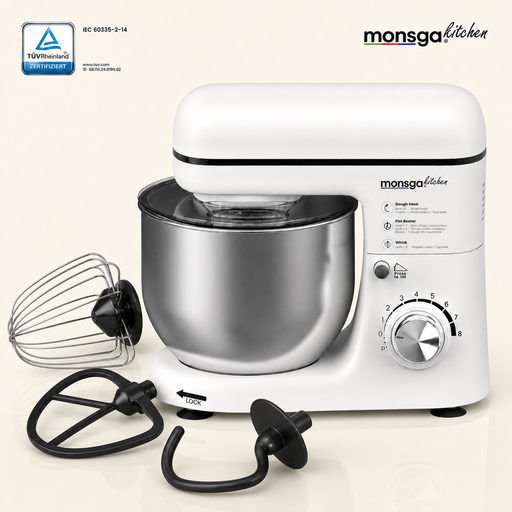
Consider this if your batter recipe calls for a whisk or beater and you want several speed settings. The SM100 title specifies a 5.0 L stainless-steel bowl, eight speeds, a whisk, beater, dough hook and splash guard.
For yeast-raised recipes, check the maker’s batch limit rather than treating bowl volume as a dough-capacity figure.
 No image available
The 4.3 L bowl makes this a model to consider if you are choosing for modest batches rather than seeking the largest bowl. Check which of its three bowl tools suit your batter recipe and confirm the maker’s batch limit before making larger quantities.
 No image available
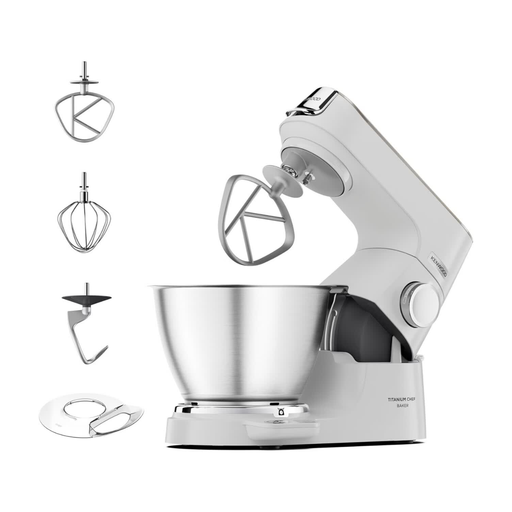
Consider this if your lunchbox baking is part of a wider mix of cake and dough recipes. Before choosing KVC65.001WH for yeast-raised doughnuts, check its supplied tools and stated dough limit; also consider where you would keep it if it needs lifting between uses.
 No image available
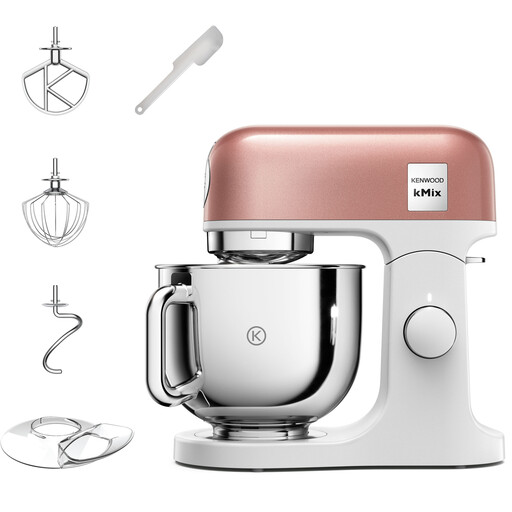
If you expect to make both batter and occasional yeast-raised dough, compare this model’s supplied tools with the methods in your recipes. Check its maker-stated batch limits for the quantities you plan to make, and confirm the bowl and tool cleaning instructions if machine washing matters to you.
 No image available
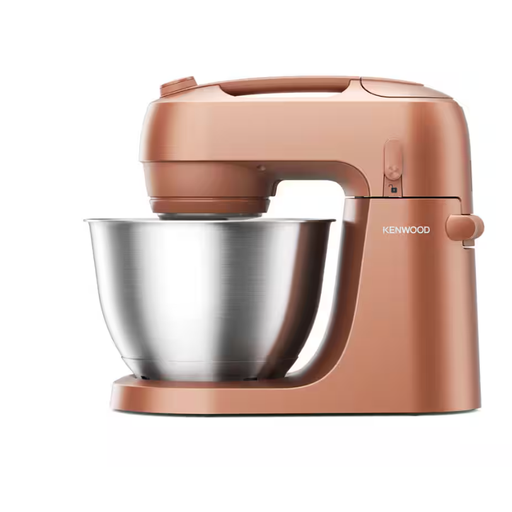
Consider this if storing the mixer between lunchbox-baking sessions is a priority. Measure your cupboard space, then check the supplied tools and maker-stated batch limits against both your batter recipe and any yeast-raised dough you intend to make.
Not necessarily: for occasional light batter, a hand mixer or whisk may meet your needs. A stand mixer becomes more relevant if you want hands-free mixing, regularly make repeated batches or also prepare yeast-raised dough; Kenwood UK describes hand mixers as suitable for light cake mixes and batters.
Use the whisk or beater specified by a pourable-batter recipe; for yeast-raised doughnuts, check that the mixer has a dough hook and a stated dough limit that fits your recipe. The word doughnut alone does not tell you which mixing method you need.
Follow the timing and speed instructions for the recipe or mix you are using rather than applying one time limit to every batter. Sassy’s Sugar Doughnuts specifies a three-minute total for its own mix and warns against mixing it longer; that instruction is specific to its method.
Clean the bowl, mixing tools and any used splash guard according to the maker’s instructions before preparing another food. For food businesses, the Food Standards Agency says allergenic ingredients should be controlled and other foods protected from cross-contamination.
Making doughnuts for a personal household lunchbox is different from operating a food business. If you plan to run a food business, the Food Standards Agency says you must register with your local authority at least 28 days before trading; check its food-safety guidance before starting.