Shared-kitchen bakers short on space
You want hands-free cake mixing, but the mixer must go back into a cupboard, drawer or allocated shelf after use.


For routine fairy-cake batches in a shared kitchen, start with a stand mixer that fits its allocated storage space, includes a cake-mixing beater and has a stated cake-batter capacity suited to the group. A larger bowl or extra tools become more useful when people regularly make bigger batches, but they also need space and a clear cleaning handover. If the mixer will be used for work or food supplied by a business, check the applicable electrical-safety and allergen-control arrangements before communal use.
You want hands-free cake mixing, but the mixer must go back into a cupboard, drawer or allocated shelf after use.
Several people use the same kitchen, so straightforward controls, enough capacity for the usual batch and a practical cleaning handover matter.
You make substantially more than an occasional batch of fairy cakes and have reason to consider a larger bowl or additional preparation features.
Start with where the mixer will live and the size of the group’s usual cake batch. Then plan how users will clean and return its parts; workplace requirements matter if the appliance is used for work.
| Concern | What to check | Who this matters to |
|---|---|---|
| Storage and handover | Measure the allocated space and check the exact machine dimensions, including clearance to lift a tilt-head. Decide where the bowl and tools will go. | If I have to put the mixer away after every session, I need one I can move and store without taking over shared space. Around 33% of consumers put storage and handover first. |
| Cleaning and shared tools | Check which parts are included and their individual care instructions. Agree who washes, dries and returns them before the next user. | When other people will use the same bowl and beaters, I need a cleaning routine I can trust, particularly around ingredients that affect someone with an allergy. Cleaning and shared-tool control comes first for around 25% of consumers. |
| Cake-batter capacity | Compare the exact model’s stated cake-mixture capacity with the usual batch, rather than using bowl litres or motor wattage as a substitute. Confirm that a cake-mixing beater is included. | If I regularly bake for the whole group, I want the usual batch to fit without dividing it into several mixes. Around 25% of consumers prioritise batch capacity. |
| Workplace use | If the mixer is used for work, ask the person responsible for the premises about permitted appliances, electrical suitability, maintenance and who may use and clean it. | In a workplace kitchen, I need to know who is responsible for the appliance before bringing it into communal use. For around 17% of consumers, those arrangements are the primary concern. |
A power rating does not tell you whether the mixer fits its storage space or whether its stated cake-mixture capacity covers your batch.
Check dimensions, the included cake beater and the exact model’s cake-batter capacity before comparing power ratings.
Extra capacity helps only if the group will use it; a larger machine still needs an agreed place on the worktop and in storage.
Choose a larger format when the group repeatedly makes batches beyond a smaller model’s stated capacity or will use its additional features.
Part-by-part care instructions still matter, and shared tools need to be cleaned, dried and returned between users. Where food is supplied by a business, allergen cross-contamination also needs attention.
Agree a handover routine for the bowl, beater and splashguard. For food-business use, include the mixer in the kitchen’s food-preparation and allergen-control practices, in line with Food Standards Agency guidance.
Kenwood’s Go KZM35.000RD is a compact-format option for shared kitchens where storage matters.
Bosch offers both compact Series 2 machines and the larger Series 6 MUMS6ZM00G for groups with different batch and storage needs.
KitchenAid’s Artisan 5KSM175PS is a tilt-head option for groups interested in more than one supplied bowl and mixing tool.
These stand mixers offer starting points for shared-kitchen cake preparation. Compare each exact model’s storage requirements, included cake beater and stated cake-batter capacity against the group’s usual batch before choosing.
 No image available
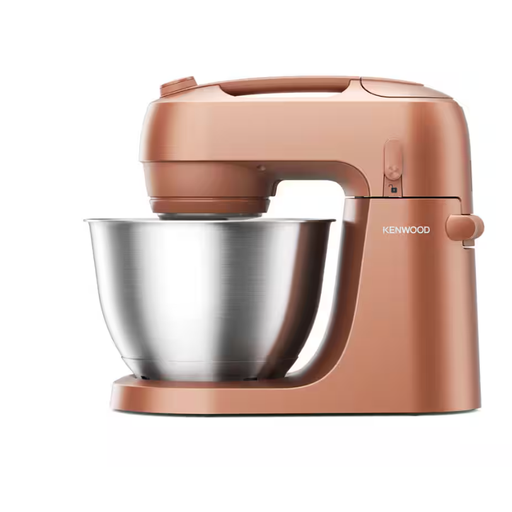
Consider this model when the mixer needs to be put away between ordinary cake-baking sessions. Kenwood states that the KZM35.000RD is 30 cm high, has a 4L bowl and K-Beater, and has a cake capacity of up to 1.8 kg. Measure the available storage space and agree who will clean and return the tools.
 No image available
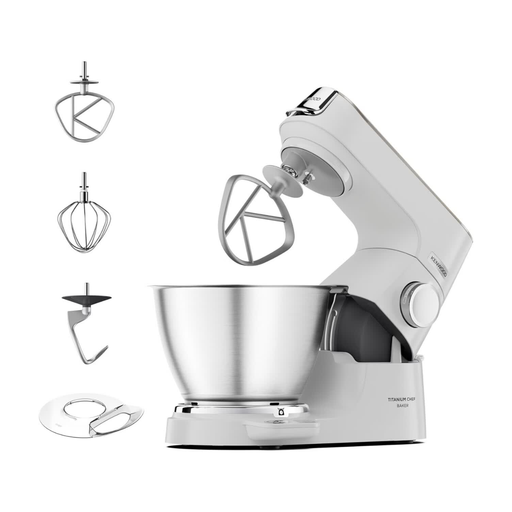
For a group considering this Chef Baker, check whether the exact configuration suits its usual cake batch and allocated storage space. Confirm the included mixing tools, stated cake-batter capacity and whether any weighing feature would be useful during shared preparation.
 No image available
This 4.3L, 1000W variant is worth checking if the group wants a stand mixer it can store between baking sessions. Its product name specifies three bowl tools; confirm that the supplied set includes the cake beater you need, and check the model’s stated cake-batter capacity against the usual batch.
 No image available
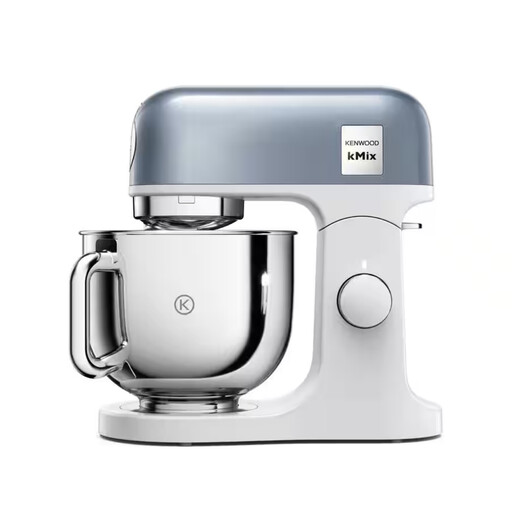
If the group is considering this kMix for larger batches, compare the exact variant’s stated cake-mixture capacity with what you normally make. Check its included beater, machine dimensions and the clearance needed during use before assigning it a place in the shared kitchen.
 No image available
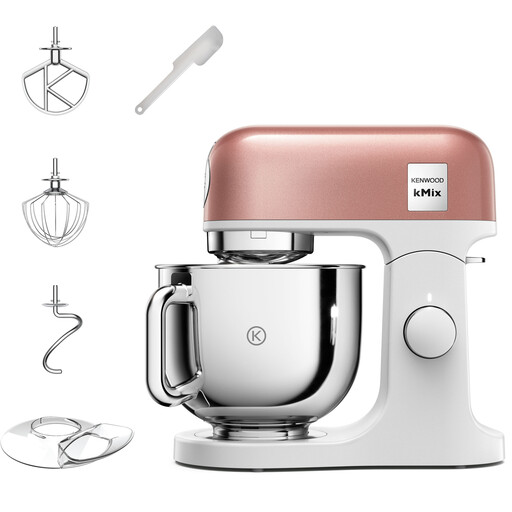
For shared fairy-cake preparation, check that this exact variant includes a suitable cake beater and accommodates the group’s usual batch. Confirm its dimensions and the care instructions for each part so users can plan storage and cleaning handovers.
Choose by the exact mixer’s stated cake-mixture capacity and your usual batch, not bowl volume alone. Kenwood states that its 4L Go KZM35.000RD has a 1.8 kg cake capacity, while Bosch states up to 3.5 kg of cake mixture for its 5.5L MUMS6ZM00G. If the smaller machine covers the group’s batches, consider whether the larger one earns its storage space.
A clear routine for washing, drying and returning every supplied part matters more than a general dishwasher-safe description. Check the care instructions for the exact bowl, beater and splashguard, then decide where clean parts will be kept between users.
Not automatically: the Health and Safety Executive says employers must maintain electrical equipment to prevent danger, but annual portable appliance testing is not prescribed for every appliance in a low-risk environment. If the mixer is used for work, ask the responsible organisation how it checks that the appliance is suitable for the task and electrical supply and remains in safe condition.
Agree how the bowl and tools will be cleaned between uses and whether separate equipment is needed for anyone using the kitchen. If food is supplied by a business, Food Standards Agency guidance calls for food-preparation and hygiene practices that avoid allergen cross-contamination; a dishwasher-safe label alone does not establish those practices.