Focaccia bakers short on space
You need a mixer that can handle yeast dough without occupying the worktop all day, or one you can put away after use. Its dimensions matter alongside room to prepare food and clearance to operate the machine.


For focaccia dough in a small kitchen, start with the exact mixer’s stated dough capacity, included dough tool and dimensions—not bowl litres or wattage alone. A compact model can suit your usual batches if it fits both the recipe and the available space; a larger machine makes more sense when you will use its extra batch capacity or other functions enough to justify the room it takes. Check clearance above the mixer as well as its worktop footprint.
You need a mixer that can handle yeast dough without occupying the worktop all day, or one you can put away after use. Its dimensions matter alongside room to prepare food and clearance to operate the machine.
You make focaccia, pizza or bread often enough to want a dough tool and a stated capacity that accommodates your usual batch, without choosing a larger machine simply for its bowl size.
You want to make focaccia but also expect to use the mixer for other baking tasks or compatible attachments. Those uses may justify a machine that takes up more room.
Decide where the mixer will stand or be stored, then compare its stated capacity with your usual focaccia batch. Consider additional functions only if you expect to use them.
| Concern | What to check | Who this matters to |
|---|---|---|
| Worktop fit and storage | Compare the exact model’s width, depth and height with its intended space. Allow room to use the head or top-mounted accessories. | If I need to put the mixer away after kneading, its footprint and operating clearance may decide whether I can use it conveniently. Around 46% of consumers put fit and storage first. |
| Usual focaccia batch | Check the model-specific dough limit, its measurement basis and whether a dough tool is included. | I want my usual batch to stay within the stated limit rather than choosing by bowl litres alone. Roughly 36% of consumers make batch suitability their primary concern. |
| Larger batches and other uses | Consider the stated capacity and tools alongside the space needed to keep and use a larger machine. | When I make larger batches or use the mixer for other tasks, I may accept a less convenient machine to store. Around 18% of consumers prioritise that extra capacity or versatility. |
Bowl volume does not tell you the permitted focaccia batch size. Bosch publishes dough-weight limits for the cited models, while KitchenAid’s cited Artisan capacity chart uses flour weight; those figures cannot be compared as though they measured the same thing.
Find the limit for the exact model and check whether it describes flour or finished dough before comparing it with your recipe.
A mixer can fit where you plan to keep it yet leave too little preparation space or headroom when you use it. Bosch Home UK advises allowing worktop space, a nearby outlet and overhead room for attachments that connect on top.
Measure both its storage position and the space in which you will raise the head, add ingredients and knead.
A motor rating alone does not establish how different mixers will handle the same dough. The cited Bosch and Kenwood models also differ in their published capacities, tools and dimensions.
Use the exact model’s stated dough limit, supplied tool and fit for your kitchen to guide the choice; treat wattage as one specification, not a performance verdict.
A crowded kitchen can make an unused adaptor socket look like a convenient place for the mixer. Electrical Safety First warns that overloading sockets can create a fire risk.
Follow the mixer’s electrical instructions. If you need an extension lead, check its rating and avoid overloading it with other appliances.
These examples show how particular product lines address space, dough capacity and other uses; the specifications apply to the named models, not every mixer from each brand.
The cited Series 2 and MUM 5 models offer two ways to balance a relatively compact footprint with a published dough limit.
The cited Chef model is a route to consider if your batches call for more stated dough capacity and you have room for a mid-size machine.
The cited Artisan tilt-head range may interest buyers who will use the mixer for tasks beyond focaccia as well as with compatible optional attachments.
These stand mixers offer different approaches to mixing focaccia dough, from a model described for cupboard storage to machines with weighing or broader mixing features. Check the exact model’s dough limit and the space you have before choosing.
 No image available
Consider this model if putting the mixer away between focaccia batches is important. Its name specifies a 4.3 L bowl, a 1000 W rating and three bowl tools; confirm the stated dough limit against your recipe and allow space to operate the head.
 No image available
This is worth considering if weighing ingredients at the mixer matters to you. Before choosing it for focaccia, confirm how its stated dough limit is measured and whether its depth, weight and operating clearance suit your kitchen.
 No image available
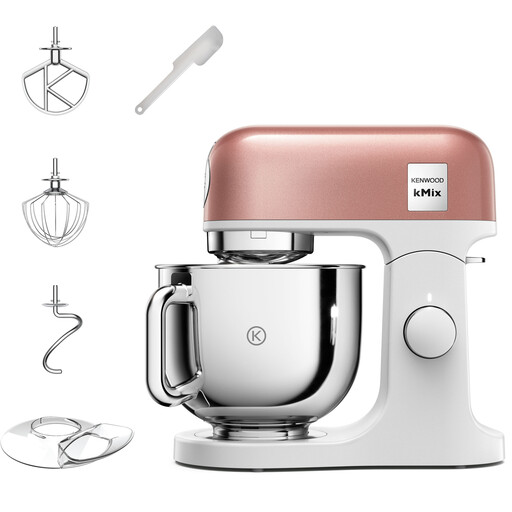
Consider this variant if you want a stated limit for stiff yeast dough. Check your focaccia batch against that limit and the model’s instructions for heavy mixtures, including its mixing-time and cooling guidance. Measure the space needed to operate and store it.
 No image available
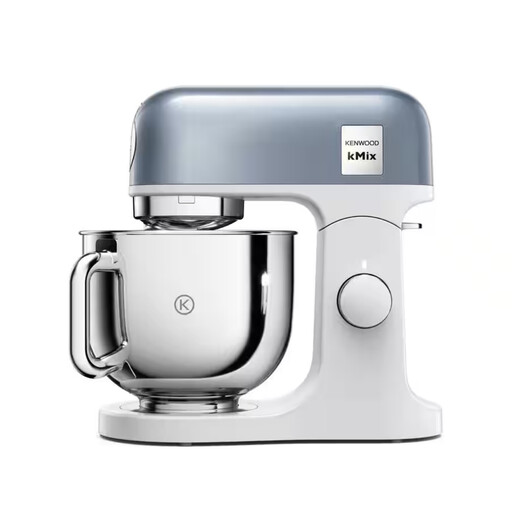
This model may suit someone who wants a mixer for dough and other baking tasks. Confirm the exact variant’s dough capacity against your usual focaccia batch, then check whether its size and weight make it practical to move or leave on the worktop.
Choose by the exact model’s stated dough limit, using bowl volume as a separate specification. Bosch Home UK gives dough-weight limits for the cited models, whereas KitchenAid UK’s cited Artisan chart gives a flour limit; check the measurement basis before comparing those figures or matching one to your recipe.
Allow for more than the appliance’s published footprint: you need usable preparation space and room to operate the head or any top-mounted accessory. Bosch Home UK also advises planning for a nearby outlet and overhead clearance where attachments connect on top.
Check the mixer’s electrical instructions and the extension lead’s rating before using one. Electrical Safety First warns against overloading sockets; an unused socket on a multiway adaptor does not, by itself, show that the combined load is suitable.
Contact the seller and keep your order record if the mixer is faulty or does not match its description. GOV.UK explains that the Consumer Rights Act 2015 covers what should happen when goods are faulty; a seller’s change-of-mind returns process is a separate matter from a remedy for faulty goods.