Space-conscious cottage bakers
If the mixer travels with you or has to fit beneath a cupboard, check its assembled height, worktop footprint and carrying weight before choosing a bowl size.


For an occasional marble cake in a holiday cottage, start with a stand mixer that fits the available space, has a suitable beater and gives you control over the early mixing stages. A compact model makes more sense if you must carry or stow it; a larger mixer is worth considering if it can stay at the cottage and you expect to make bigger or repeated batches. Whichever you choose, stop mechanical mixing once the flour is incorporated, as The Telegraph’s marble-cake recipe advises.
If the mixer travels with you or has to fit beneath a cupboard, check its assembled height, worktop footprint and carrying weight before choosing a bowl size.
If your main concern is getting through the creaming and egg-addition stages without overworking the finished batter, look for a supplied beater and speeds you can adjust readily. The Telegraph’s marble-cake method calls for stopping once the flour is incorporated.
If you make cakes for several guests or use the mixer for other baking, compare bowl capacity, supplied tools and the cleaning instructions for the exact model. A mixer that remains at the cottage need not meet the same carrying requirements as one you bring from home.
Decide where the mixer will live and how large your usual batch will be, then check its cake-mixing tool and speed controls. A larger bowl does not remove the need to finish marble-cake batter gently.
| Concern | What to check | Who this matters to |
|---|---|---|
| Storage and transport | Compare assembled height and worktop depth with the cottage space; consider the mixer’s weight if you will carry it. | I need to put the mixer away between uses or bring it from home, so a manageable fit comes before extra capacity. Roughly 42% of consumers put storage and transport first. |
| Mixing control | Confirm that a beater or paddle is supplied and that the speeds suit creaming and gradual ingredient addition. | I want help with the early stages of the cake, but I need to stop the machine when the flour is incorporated. For around 33% of consumers, mixing control is the primary concern. |
| Repeat baking and cleaning | Match the bowl to your intended batch and check the exact model’s instructions for cleaning its tools. | If I will bake for guests more than once, I care about batch room and how much cleaning follows each cake. Repeat use and cleaning come first for roughly 25% of consumers. |
Neither figure tells you whether a stand mixer fits the cottage cupboard, is comfortable to carry or includes the tool you need for cake batter.
Measure the space first, then compare the supplied beater, speed controls and stated cake capacity with your recipe.
The Telegraph’s marble-cake recipe advises stopping once the flour is incorporated because further mixing can make the baked cake tough.
Use the mixer for the earlier stages, then handle the vanilla and cocoa portions gently and swirl them briefly in the tin.
The Health and Safety Executive advises using electrical equipment that is suitable for its supply. A visibly damaged plug, cable or socket is a reason not to use it.
Inspect the mixer and available socket before baking. If cottage equipment appears damaged, leave it unused and contact the host.
Kenwood’s Go KZM35.000RD is a compact option to consider when the mixer must be stored in a limited space or moved between home and the cottage.
Bosch’s Series 2 MUMS2VM40G offers a compact planetary-mixing option for a cottage kitchen where you also expect to prepare other foods.
KitchenAid’s 5KSM193 is more relevant when the mixer can have a regular place at the cottage and you want room for repeat baking.
These stand mixers are relevant to making marble cake batter, from models to assess for limited cottage space to ones you may prefer to leave in place for repeat baking. Compare each model’s tools and storage fit with your own recipe and kitchen.
 No image available
Consider this for cottage cake baking if its footprint and supplied cake-mixing tool suit your space and method. The product title specifies a 4.3 L bowl, a 1000 W rating and three bowl tools; check which tool you would use for creaming.
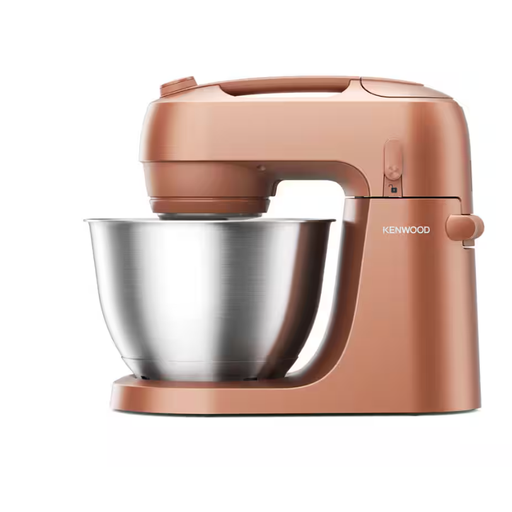 No image available
Worth considering if the mixer must fit limited storage and travel to the cottage. Kenwood GB lists this model at 30 cm high with a 4 L bowl, K-Beater, six speeds and a stated 1.8 kg cake capacity. Its stated 6.3 kg weight is worth considering before you plan to carry it.
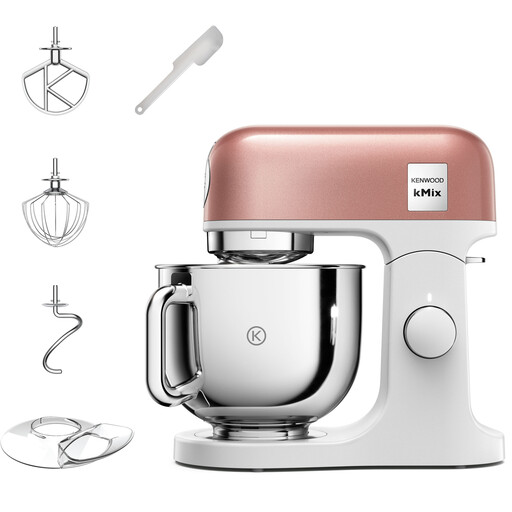 No image available
Consider this model if adjustable mixing and a place to keep the mixer matter more than travelling light. Check its supplied cake-mixing tool, carrying weight and dimensions against your recipe and the cottage storage space.
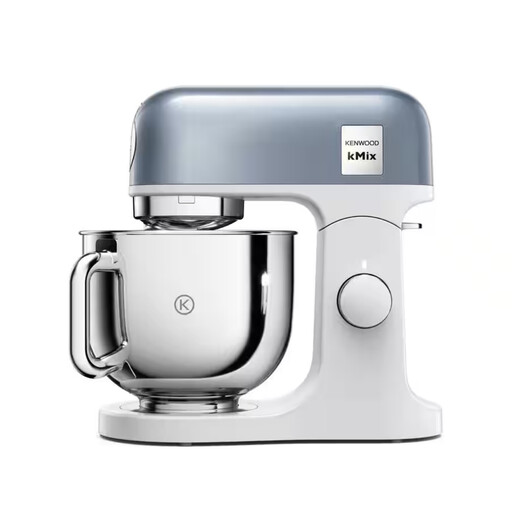 No image available
This is a model to assess for repeat baking if the mixer can remain at the cottage. Compare its bowl and supplied tools with your usual batches, and check its weight and storage dimensions before choosing it for a small kitchen.
 No image available
Consider this for regular cake preparation if the mixer can stay in the cottage kitchen. Check its stated cake capacity against your intended batch, and confirm that its size, weight and supplied tools work for your space and method.
A paddle or suitable flat beater is useful for the creaming stage, but the mixer should not keep working the batter after the flour is incorporated. The Telegraph’s marble-cake method calls for stopping at that point; spoon the vanilla and cocoa batters into the tin and swirl them lightly.
It can be, provided your recipe fits the model’s stated cake capacity and leaves room to add ingredients. Kenwood GB specifies a 4 L bowl and 1.8 kg cake capacity for the Go KZM35.000RD, while Bosch GB lists a 3.8 L usable bowl for the MUMS2VM40G; check your intended batch rather than judging by bowl litres alone.
Check the cleaning instructions for each tool supplied with the exact mixer you buy. Dishwasher suitability should not be assumed across a brand’s models or across every attachment in a set.
Check that the mixer is suitable for the available electrical supply and inspect its plug, cable and the socket for visible damage before use. The Health and Safety Executive advises using equipment suited to its supply; if cottage equipment appears damaged, do not use it and contact the host.