Small-batch lunchbox dessert makers
You usually make one small portion at a time. A whisk that works with your recipe quantity, easy bowl access and manageable storage matter more to you than maximum batch capacity.


Choose a stand mixer with a whisk, adjustable speeds and a bowl suited to the amount of mascarpone cream you normally make, rather than relying on wattage or maximum capacity alone. For occasional lunchbox portions, give space and bowl access more weight; a larger machine makes more sense if you also make bigger baking batches. Whichever mixer you choose, the finished dairy cream needs a plan for chilled storage and transport.
The useful mixer size depends on whether lunchbox cream is your main task or one part of wider baking—and on how you will keep the finished dessert cold.
You usually make one small portion at a time. A whisk that works with your recipe quantity, easy bowl access and manageable storage matter more to you than maximum batch capacity.
You also expect to make cakes or dough. Compare the included tools, stated batch guidance and bowl size against those recipes, not just the lunchbox portion.
Your concern continues after mixing: mascarpone cream is dairy-based, so you need to refrigerate it and keep it cold on its way to lunch. An insulated lunchbox may be part of that plan, but a mixer cannot take its place.
Start with the whisk and your usual portion size, then decide how much storage space and wider baking capacity you will actually use. Plan chilled transport separately from the mixer purchase.
| Concern | What to check | Who this matters to |
|---|---|---|
| Whisking control | Confirm the exact model's whisk, speed settings and guidance for your recipe quantity. | If I make a small portion, I want to check the texture as I whisk rather than assume a powerful motor will handle it. Around 37% of consumers put whisking control and the right tool first. |
| Space and access | Measure storage and working space, including clearance to raise a tilt-head; check the model's dimensions and weight. | When I only mix cream for short sessions, I need a machine I can store and set up comfortably. Space and access come first for around 27% of consumers. |
| Wider baking use | Compare bowl size, included tools and stated batch guidance with the cakes or dough you intend to make. | If lunchbox cream is only one of my recipes, I want the mixer to suit my other baking too. Around 18% of consumers make that versatility their primary concern. |
| Chilled lunch | Plan refrigeration before packing and a way to keep the dairy cream cold until it is eaten. | If the dessert will travel to lunch, keeping the finished cream cold matters more to me than extra mixer capacity. That is the first concern for around 18% of consumers. |
A large bowl or high stated wattage does not establish how an exact model will whisk your small mascarpone-cream portion. Kenwood says its Chef XL KVL4100W can handle quantities starting with a small egg white, but that claim is not a mascarpone-cream test.
Confirm the supplied whisk and speed options, then look for small-batch guidance for the exact model and the quantity you intend to make.
How the bowl and tools are accessed affects short mixing sessions. KitchenAid describes its tilt-head models as allowing the head to lift back for tool changes and ingredient additions, while positioning bowl-lift models towards larger batches and heavier mixtures.
Check the working clearance for a tilt-head and choose a larger-batch design only if your other recipes call for it. Confirm the included whisk for the particular model.
Mixing does not keep dairy chilled. GOV.UK advises storing dairy products in a fridge at 0–5°C; Safefood advises keeping perishable lunchbox foods cold and using an insulated box or bag.
Refrigerate the prepared cream promptly, pack it cold in a suitable container and plan how it will stay cold until lunchtime.
An insulated bag and a cold source may take up space in the lunchbox.
These model lines illustrate different sizes and layouts; a brand name alone does not establish how a particular mixer will handle a small mascarpone-cream batch.
The Chef XL KVL4100W is a larger-bowl reference for someone who will also use a mixer for broader baking.
The MUM58W20GB offers a reference point for cream whipping alongside routine baking.
Its tilt-head and bowl-lift lines offer different approaches to bowl access and larger-batch mixing.
These models offer compact or tilt-head options for considering lunchbox cream alongside other home baking. Before choosing one for a single small portion, check the exact model's whisk and small-batch guidance.
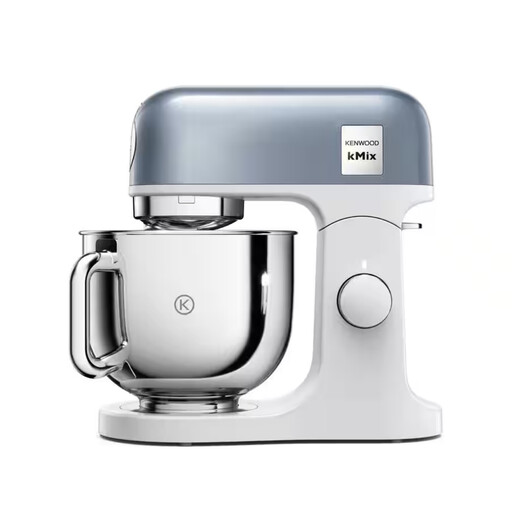 No image available
For short cream-whipping sessions, check that the whisk suits your usual portion and that you have room to use the mixer. Confirm the bowl material for this Blue variant before choosing it.
 No image available
If you also bake beyond lunchbox desserts, check which of its three bowl tools you would use and whether the whisk suits a small cream portion.
4.3 L bowl; 1000 W; three bowl tools.
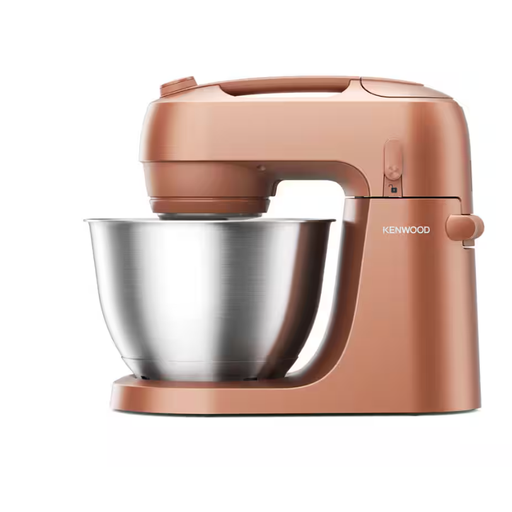 No image available
If cupboard or worktop space is limited, compare this model's dimensions with the space you have. Check its exact-model guidance for the small amount of cream you intend to whisk.
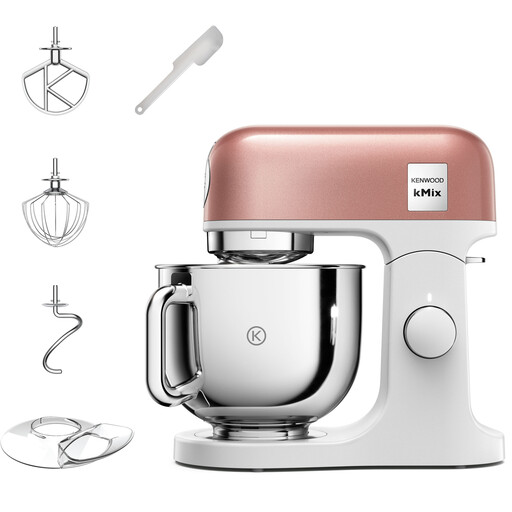 No image available
For cream whipping alongside other baking, consider how often you would use the mixer and check its whisking guidance against your usual lunchbox portion.
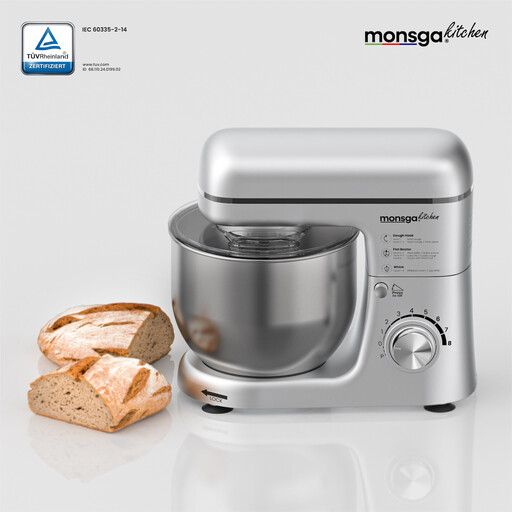 No image available
If you want a whisk for cream as well as tools for other baking, check the small-batch guidance before choosing this mixer for a lunchbox portion.
5.0 L stainless-steel bowl; eight speed settings; whisk and splash guard. The stated 1000 W is peak power, not a small-batch performance measure.
Check that the exact mixer has a whisk, adjustable speeds and guidance relevant to your usual batch size. Bosch GB lists a whisk and seven speeds for the MUM58W20GB, while Kenwood GB lists a stainless-steel whisk for the Chef XL KVL4100W; neither a wattage figure nor bowl capacity alone tells you how your mascarpone recipe will turn out.
A tilt-head is worth considering when easy access for tool changes and adding ingredients matters more than larger-batch capacity. KitchenAid UK positions its bowl-lift line towards bigger batches and heavy mixtures, so weigh that wider use against the space the machine will occupy.
Refrigerate the prepared dairy cream before packing it and plan to keep it cold until it is eaten. GOV.UK advises a fridge temperature of 0–5°C for storing dairy products, while Safefood recommends an insulated box or bag for perishable lunchbox food.
No: GOV.UK states the 8°C-or-below legal chilling requirement for food businesses in England, Wales and Northern Ireland, not as a direct legal rule for an ordinary home-prepared lunchbox. For home preparation, follow GOV.UK's advice to store dairy in a fridge at 0–5°C and keep time out of the fridge short.