Party-batch pancake makers
If you are making several bowls of batter for guests, bowl headroom and a repeatable way to mix each batch matter more than a nominal serving claim.


Choose a stand mixer for birthday-party pancake batter by checking your recipe volume against the bowl size, then looking for controllable starting speeds and a suitable tool supplied with the exact model. A stand mixer is more worthwhile if you expect to use it for cakes, whipping or dough after the party; for a one-off batter, consider whether using a whisk or hand mixer would meet your needs without another appliance to store.
If you are making several bowls of batter for guests, bowl headroom and a repeatable way to mix each batch matter more than a nominal serving claim.
If liquid batter is your main task, you may value a gentle starting speed and a suitable supplied mixing tool more than features intended for frequent dough-making.
If the mixer will stay in use after the party, consider the tools you need for whipping, cake batter or kneading, as well as the space needed to store the appliance.
Start with the volume of your pancake recipe, then check mixing control and whether you have enough planned uses after the party to justify storing a stand mixer.
| Concern | What to check | Who this matters to |
|---|---|---|
| Bowl headroom | Compare the exact model's stated bowl volume with your recipe volume, leaving space for mixing rather than filling to the rim. | If I want to mix a larger party recipe without dividing it repeatedly, I need room above the batter. Around 38% of consumers put batch headroom first. |
| Controlled mixing | Check for a controllable low starting speed and confirm which whisk or beater comes with the exact variant. | When flour and liquid first go into the bowl, I want to start gently rather than scatter the ingredients. Controlled, lower-mess mixing is the main concern for around 37% of consumers. |
| Use after the party | Check the supplied tools, compatibility of any attachments you would actually use and the space needed for storage. | If I will also make cakes, whip ingredients or knead dough, those later tasks shape my choice. Around 25% of consumers prioritise uses beyond the party. |
A wattage figure does not, by itself, establish how well a mixer will handle pancake batter. The compared models also differ in bowl volume, speed settings and supplied tools.
Check the exact model's bowl and starting-speed controls first, then consider its other specifications in light of any dough-making or frequent baking you plan to do.
A bowl's stated litres do not translate into a guaranteed quantity of pancake batter; a liquid mixture also needs room while it is being mixed.
Work out your recipe volume, leave headroom and divide the mixture if it will not fit comfortably.
Features and box contents can differ across Kenwood kMix, Bosch MUM and KitchenAid Artisan models. A range name alone does not identify what comes with a particular mixer.
Check the full model code, supplied tools and compatibility of any attachments you intend to use.
Attachments bought separately also need storage space.
GOV.UK's guidance on the Electrical Equipment (Safety) Regulations 2016 describes requirements for electrical equipment placed on the Great Britain market. Northern Ireland has a different applicable framework.
Check the seller's product and safety information for your delivery destination. When the mixer reaches the end of its life, check local electrical-recycling arrangements.
The Artisan 5KSM125 is a tilt-head option for buyers considering pancake batter alongside other baking tasks.
The kMix line includes models for buyers placing particular importance on bowl size and variable speed.
The MUM range spans different bowl sizes and features, making the exact series and model important to the choice.
These stand mixers offer options to consider for birthday-party pancake batter and later baking. Check your recipe volume and the exact variant before relying on a bowl size or supplied tool.
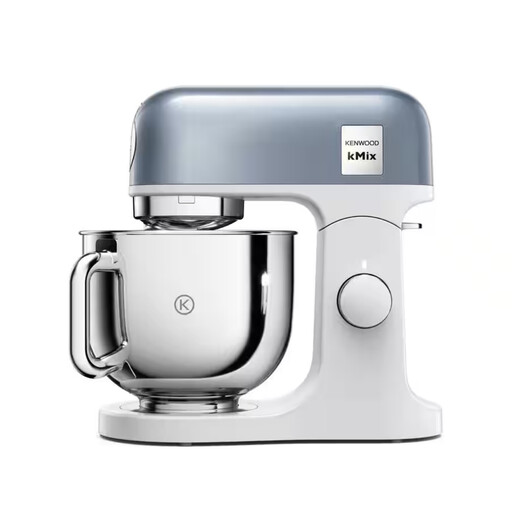 No image available
Consider this model if you want to mix party batter and keep a stand mixer for later baking. Check that the bowl volume, starting-speed control and supplied tools shown for this exact variant suit your recipe; confirm the model code before buying.
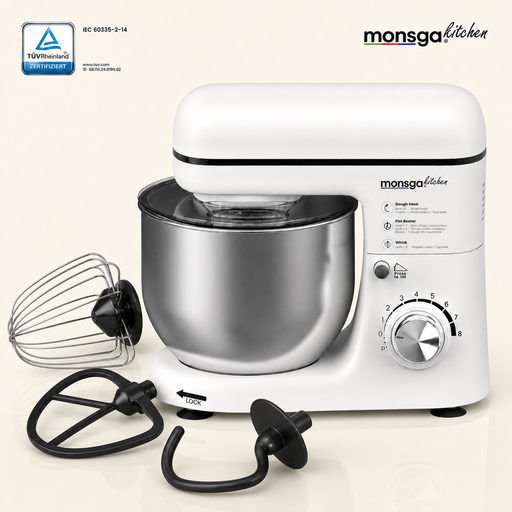 No image available
For a larger recipe, compare your batter volume with the bowl guidance before deciding whether to mix in one go. The product name states a 5.0L stainless-steel bowl, eight speed settings and a whisk, beater, dough hook and splash guard; confirm the mixing fill guidance for your recipe.
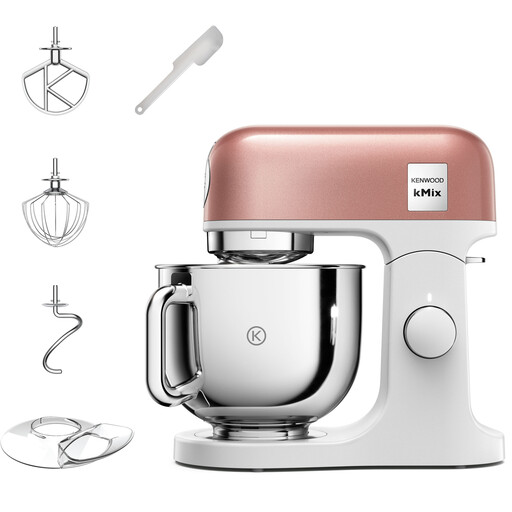 No image available
Consider this variant if a gentle start for liquid batter and later baking use are priorities. Check its stated bowl volume against your recipe, and confirm the full model code and supplied tools for this SKU.
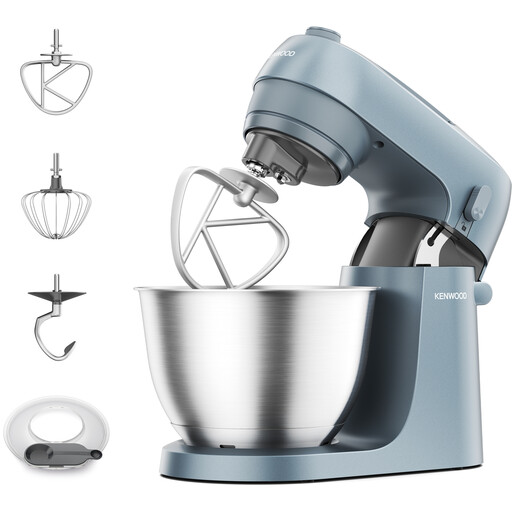 No image available
This is a model to consider if you are willing to divide a large party recipe into batches. Check its bowl volume and supplied mixing tools for your planned use; confirm the colour and exact variant, as the title and description differ.
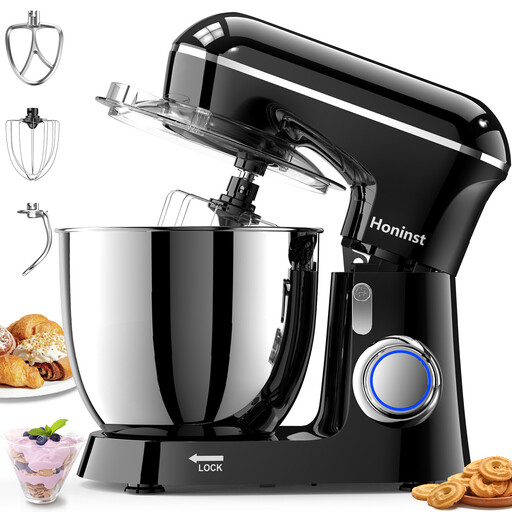 No image available
If you are considering a larger stated bowl for party batter, check the usable mixing level before comparing it with bowls specified in litres. The product name states 6.5QT and 10 speeds, and identifies a whisk, beater and dough hook.
Not necessarily: stated bowl capacity is not a guaranteed pancake-batter serving count or a fill line. Compare your recipe volume with the mixing headroom you need, and divide the batter if necessary. Bosch GB states a 3.8L usable bowl for the MUMS2VM40G, KitchenAid UK lists 4.7L for the 5KSM125, and Kenwood GB lists 5L for the KMX754PP/KMX754APP.
Check that the exact variant includes a whisk or beater suitable for the recipe you plan to make. KitchenAid UK lists a wire whisk, paddle and dough hook for its Artisan 5KSM125; do not assume another model or variant has the same box contents.
Check the seller's product and safety information for the delivery destination. GOV.UK's guidance says that the Electrical Equipment (Safety) Regulations 2016 set requirements for electrical equipment placed on the Great Britain market; Northern Ireland has a different applicable framework, so Great Britain guidance should not simply be applied there.
Check your local authority's electrical-recycling options or the retailer's take-back arrangements. GOV.UK describes waste electrical and electronic equipment rules intended to support recovery, reuse and recycling.