What matters when choosing a mixer?
Start with the space and lifting involved in sharing the kitchen, then check the dough load and whether the right hook and cleanable parts suit the way the mixer will be used.
| Concern |
What to check |
Who this matters to |
| Storage and lifting |
Measure the cupboard and worktop space, including clearance to access the bowl. Compare the mixer’s dimensions and weight. |
If I have to put the mixer away each time, I need one I can lift and store without taking over shared space; around 40% of consumers put storage and moving convenience first. |
| Dough capacity |
Compare the exact model’s stated dough load and check which type of dough it covers; split a batch if the guidance for your recipe calls for it. |
When I make pasta for several people, I want to know how much dough I can prepare before starting another batch; roughly 30% of consumers prioritise batch capacity. |
| Hook fit and clean-up |
Confirm that a suitable hook is supplied or fits the exact mixer and bowl. Check how the removable parts should be cleaned. |
If other cooks use the mixer after me, I need the right dough tool and a manageable cleaning handover; about 30% of consumers put compatibility and clean-up first. |
Joybuy stand mixers to consider
These stand mixers are relevant to mixing dough in a shared kitchen. Compare their storage demands, tools and guidance for your intended pasta batch rather than assuming a larger bowl allows a larger pasta-dough load.
 No image available
Kenwood Prospero+ KHC29.A0SI stand mixer, silver
Consider this model if cupboard storage is important, and check its fit before choosing a place for it. Its product name specifies a 4.3 L bowl and 1000 W power; check the guidance for your pasta recipe rather than using bowl size to set a dough limit.
View on Joybuy
 No image available
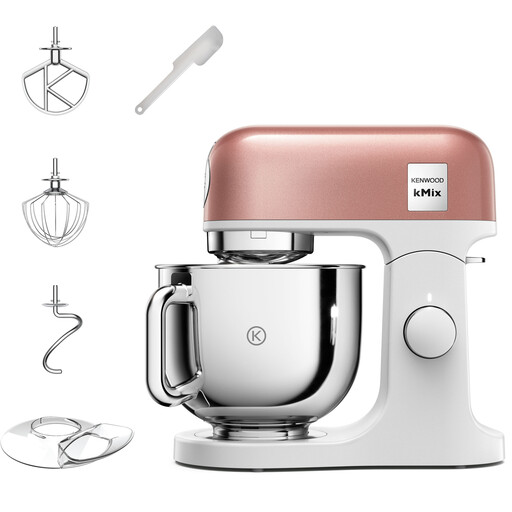
Kenwood kMix Editions KMX760API stand mixer, apricot pink
Consider this model if you have a suitable place to use it, but check whether moving it into shared storage after each session is practical. Confirm the included dough tool and follow guidance for the pasta recipe rather than treating a figure for another dough type as a pasta limit.
View on Joybuy
 No image available
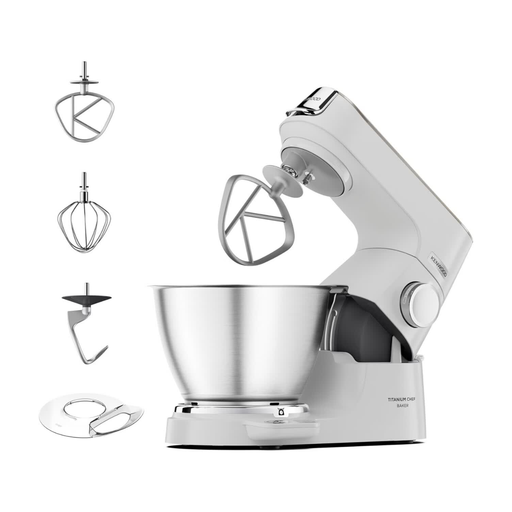
Kenwood Chef Baker KVC65.001WH stand mixer, white
This model is worth considering if the mixer can have a stable working position rather than being lifted away after every use. Check the supplied tools and the exact model’s guidance before deciding how much fresh pasta dough to make in one batch.
View on Joybuy
 No image available
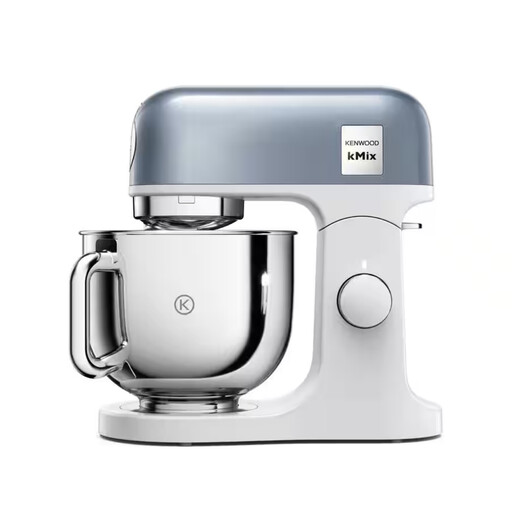
Kenwood kMix Editions stand mixer, blue
Consider this version if it can stay on a shared worktop or you have convenient storage for it. Check the exact dough guidance before planning a batch, and check whether any pasta-making attachment you want is included or separate.
View on Joybuy
 No image available
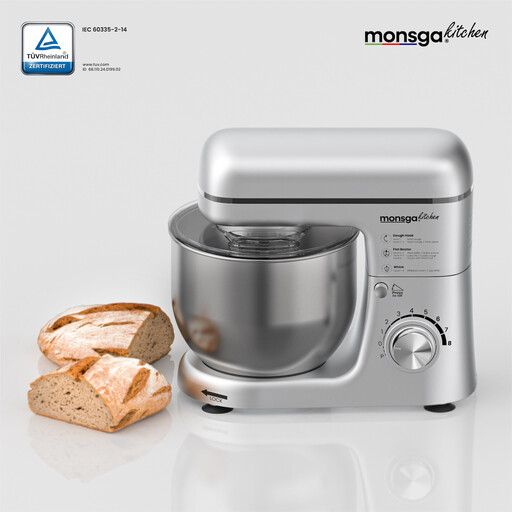
Monsga SM100 stand mixer with 5.0 L bowl and dough hook
Consider this model if a supplied dough hook matters to your choice. Its product name specifies eight speed settings; check the recommended dough load for your recipe and the appliance’s actual dimensions before assigning it space in a shared kitchen.
View on Joybuy
Common questions
Can I use a stand mixer to make pasta dough?
Yes, if the exact mixer has a suitable, compatible dough hook and its instructions cover your intended use. KitchenAid UK describes its dough hooks as tools for mixing and kneading pasta dough, but hook fit depends on the mixer and bowl format.
Is wattage enough to choose a mixer for pasta dough?
No. Check the exact mixer’s dough guidance, the tool you will use and the space it needs in the shared kitchen. A wattage figure alone does not establish how much of your pasta dough the mixer can handle.
Should I compare bowl litres or dough capacity first?
Compare both, giving particular attention to the stated dough load and the type of dough it covers. Bowl volume describes space in the bowl; neither figure should be treated as a fresh-pasta limit unless the manufacturer’s guidance says it applies.
Do food-business cleaning rules apply to every shared kitchen?
The GOV.UK guidance cited here applies to food businesses, not automatically to a domestic kitchen shared by housemates. If the kitchen prepares food for sale or service, GOV.UK says food areas and equipment must be cleaned and disinfected after contact with raw food; domestic users should still agree how the mixer is cleaned between uses.


