Party-batch savoury-scone host
If you plan to make several trays, bowl room and a workable batch size matter. You still need to stop promptly when the dough comes together: BBC Good Food cautions that overworking makes scones heavy.


Choose a stand mixer with a suitable supplied mixing tool, gentle speed control and enough bowl room for your planned recipe. BBC Good Food warns that overworking savoury scone dough makes the scones heavy, so stop once the dough comes together rather than treating a published dough capacity as a target. A larger bowl can help with a party batch; a smaller mixer may be easier to store if you are willing to divide the recipe.
If you plan to make several trays, bowl room and a workable batch size matter. You still need to stop promptly when the dough comes together: BBC Good Food cautions that overworking makes scones heavy.
If a light scone texture is your priority, look for control that lets you combine the ingredients briefly after adding liquid. A dough tool does not mean the mixture should be kneaded like bread dough.
If the mixer will spend more time stored than in use, consider its dimensions alongside bowl size. A modest batch may suit a smaller machine; a larger party recipe may need dividing.
For birthday-party savoury scones, settle on your recipe quantity first. Then consider how easily you can mix it briefly, whether it fits the bowl and where the machine will live afterwards.
| Concern | What to check | Who this matters to |
|---|---|---|
| Scone texture | Look for gentle speed control and a suitable supplied mixing tool; plan to stop when the dough comes together. | If I want light scones, I need to combine the mixture briefly rather than leave it kneading. Around 36% of consumers put avoiding overmixing first. |
| Party-batch size | Compare the exact model’s bowl volume with your recipe, and check whether you can divide it into batches. Do not use a yeast-dough maximum as a scone-batch target. | When I am preparing several trays, I need enough room to work through the recipe without crowding the bowl; around 29% of consumers prioritise batch room. |
| Preparation workload | Check whether weighing is built in and which tools or splashguard come with the exact model. | If I am baking while organising a party, fewer separate weighing and ingredient-handling steps matter to me. For around 21% of consumers, preparation convenience is the primary concern. |
| Storage | Measure the available worktop or cupboard space, then compare the machine’s dimensions and bowl size. | For an occasional party bake, I need a machine I can put away afterwards and can accept making smaller batches; around 14% of consumers put storage practicality first. |
Motor power does not tell you how gently you can combine scone dough or whether the bowl and supplied tools suit your recipe. Longer mixing can make the finished scones heavy.
Compare the exact model’s controls, bowl size, included tools and dimensions before using wattage to distinguish between options.
Published capacities may refer to mixtures such as yeast dough, not savoury scones. A larger stated maximum does not change the need for brief mixing after liquid is added.
Choose a recipe quantity that fits the bowl and the manufacturer’s instructions, dividing the dough if necessary.
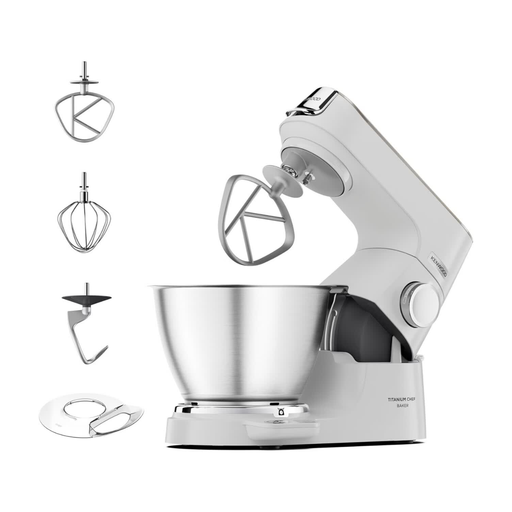
For the Kenwood Titanium Chef Baker KVC65.001WH, Kenwood GB lists a 5L bowl and 2.18kg dough capacity, while a Joybuy listing gives 4.6L and 1.3kg. Neither figure should be treated as a recommended scone-batch size.
Check the full model number against the manufacturer’s product information or manual before relying on bowl, capacity or included-tool details.
Attachments vary by mixer family. Kenwood’s compatibility guidance notes that some older Chef machines need an adapter for certain attachments.
Use the full mixer model number when checking a dough hook, bowl or other accessory against the manufacturer’s compatibility guidance.
An adapter may be needed, or the attachment may not fit that machine.
Its UK range includes smaller Prospero machines and larger Chef models, giving buyers different ways to balance storage, bowl room and mixing controls.
Its MUM range offers different bowl sizes for buyers weighing a smaller machine against more batch room.
Its tilt-head and bowl-lift ranges are relevant if bowl format and future accessory choices matter alongside this party recipe.
The SM100 is an option to examine if you want a mixer with a stated 5.0L bowl and a supplied dough hook.
These mixers offer different starting points for an occasional party batch, bowl-room needs or preparation features. Whichever you choose, match the recipe to the exact model’s instructions and mix savoury scone dough only until it comes together.
 No image available
Consider this model if you are happy to make a modest batch or split a larger party recipe. The Joybuy listing identifies a 4.3L bowl and a supplied kneading hook; check your recipe quantity against the model instructions rather than filling the bowl to a presumed scone limit.
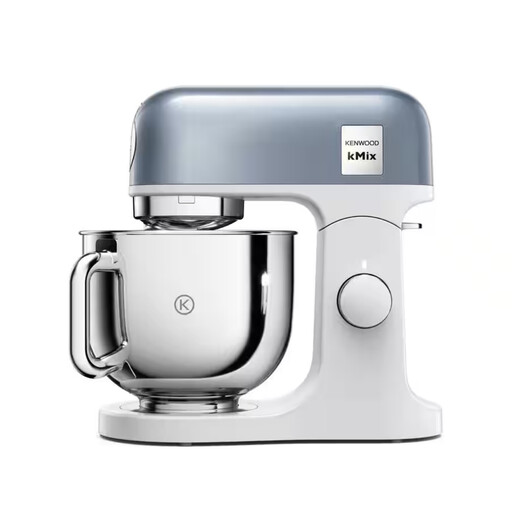 No image available
If you want to use this mixer for party scones, check the exact model’s bowl size, supplied tools and gentle-mixing controls against your recipe. Stop mixing when the dough comes together rather than continuing to knead it.
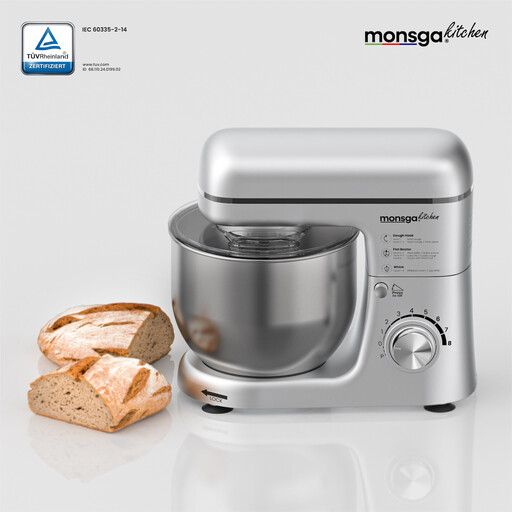 No image available
Consider the stated 5.0L bowl if your party recipe calls for more bowl room, but check the intended quantity against the manual. The title’s 1000W figure is peak power, not a reason to mix scone dough for longer.
 No image available
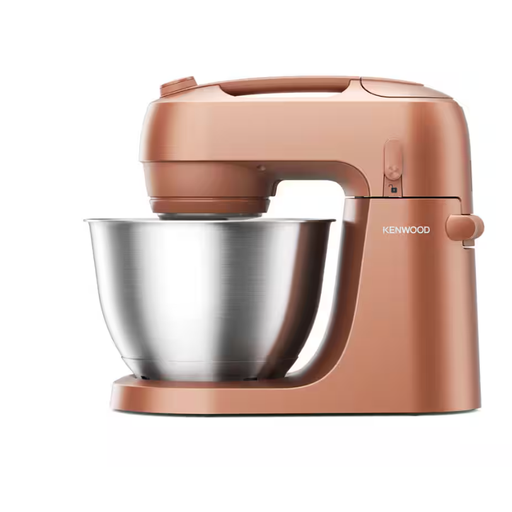
For an occasional party bake, compare this mixer’s dimensions and supplied tools with your storage space and recipe. If you divide the dough into batches, bring each one together briefly.
 No image available
Direct-to-bowl weighing and a fold function make this model worth considering if preparation steps and gentle control matter to you. Kenwood GB and a Joybuy listing give different bowl and dough-capacity figures for KVC65.001WH, so check the exact model documentation before planning a batch around either figure.
No. Use the mixer to bring the ingredients together briefly, then stop. BBC Good Food warns that overworking savoury scone dough makes the finished scones heavy.
A larger bowl is useful if your chosen recipe calls for it or you want to make fewer separate batches. Compare the recipe quantity, the exact model’s bowl volume and its instructions; a maximum stated for yeast dough is not a scone-batch recommendation.
Yes, if the attachment fits your exact mixer model and family. Check the manufacturer’s compatibility guidance before ordering; Kenwood notes that some older Chef machines need an adapter for certain attachments.
Check the exact mixer’s stated supply requirements, plug arrangement and instructions. A Joybuy listing for the Kenwood KVC65.001WH states 220–240V and 50–60Hz, but that model-specific information should not be applied to every mixer.
Check guests’ needs and ingredient labels before making the scones, and take steps to avoid cross-contact where needed. Food Standards Agency research describes cleaning and separate preparation equipment as cross-contact management practices; the choice of mixer alone cannot establish that a recipe is suitable for a particular guest.