Shared-kitchen scone makers
If other people use the mixer, bowl and tools, you need room for your usual batch and a practical way to clean food-contact parts between uses.


Choose a stand mixer around the savoury scone batches you make regularly, checking the exact model’s capacity rather than bowl size or motor wattage alone. In a shared kitchen, the ability to clean food-contact parts and manage allergens matters alongside batch capacity. Consider a larger machine for repeated big or heavy mixes, or additional bowls and weighing features if several people need to prepare ingredients in turn.
If other people use the mixer, bowl and tools, you need room for your usual batch and a practical way to clean food-contact parts between uses.
Regular double or triple batches make the exact model’s permitted quantities more important than bowl volume alone. Larger-capacity machines are worth considering when that workload is routine.
When several people prepare recipes in turn, an additional bowl or integrated weighing may ease handovers, provided the equipment can still be cleaned and stored appropriately.
Start with your usual batch and the space available, then check how the bowl and tools will be cleaned between users. Extra bowls and weighing features are useful only if they suit the way your kitchen shares preparation tasks.
Consider it when: Your usual scone batches fit the exact model’s limits and counter or storage space is tight.
Trade-off: Unusually large batches may need splitting; a published flour maximum is not automatically the right target for a scone recipe with additions.
Consider it when: Double or triple batches, or heavier mixes, are a regular part of the kitchen’s workload.
Trade-off: A larger format needs more counter and storage room, while its bowl and tools still need cleaning between uses.
| Concern | What to check | Who this matters to |
|---|---|---|
| Cleaning and allergen separation | Check the care instructions for the bowl, tools and other food-contact parts. Agree how shared equipment and surfaces will be cleaned between uses. | If ingredients such as cheese, egg or mustard are used, I need a workable routine that keeps residue from another person’s preparation out of my food. Around 36% of consumers put cleaning and allergen control first. |
| Batch and dough capacity | Compare the exact model’s permitted flour or dough quantity with your recipe, including savoury additions; check which mixing tool is supplied. | When I regularly make double or triple batches, I need enough working room to combine the ingredients without exceeding the mixer’s guidance. For around 29% of consumers, batch handling is the primary concern. |
| Space and access | Measure counter and storage space, including the clearance needed to raise the head or remove the bowl. | If the mixer has to be moved or put away after use, I need a format that other users can access and return without occupying the preparation area. Space and handover come first for around 21% of consumers. |
| Shared preparation workflow | Confirm what bowls and tools are included, whether weighing is built in, and which accessories fit the exact model. | With several people preparing different recipes, I want to avoid waiting for the same bowl or weighing station, while still having somewhere to clean and store the extras. Around 14% of consumers make workflow flexibility their main priority. |
Motor input does not tell you whether your particular scone batch fits the mixer. Bowl capacity, permitted quantities, supplied tools and the manufacturer’s instructions also affect the choice.
Check the exact model’s dough or flour guidance against your recipe before comparing wattage.
A cleanable tool does not, on its own, address residue on the bowl, other attachments or food-contact surfaces. The Food Standards Agency’s food-hygiene guidance emphasises equipment that can be adequately cleaned.
Set a cleaning and storage routine between users, particularly where allergens need separating, and check each component’s care instructions before using a dishwasher.
A larger mixer may suit repeated big batches but be awkward to position, access or put away in a shared workspace.
Measure its allocated space and bowl-access clearance. Choose the larger format when your regular workload justifies the space it takes.
Sharing equipment does not, by itself, establish whether an activity is a food business. For food businesses in England, Wales and Northern Ireland, GOV.UK states that registration is required at least 28 days before trading.
If the kitchen is used for food-business activity, check the applicable registration and hygiene requirements with the relevant local authority before trading.
Its UK range includes tilt-head and larger bowl-lift stand mixers, making exact model capacity the useful starting point.
Its kMix, Chef and Chef XL lines offer different approaches to bowl size and preparation workflow.
Its Series 6 kitchen-machine line is presented by Bosch for larger quantities, including heavy dough.
These stand mixers offer different ways to approach shared-kitchen scone preparation, from models with compact-bowl formats to choices where weighing or ingredient access may matter. Check the exact model’s batch limits and care instructions against how your kitchen will use it.
 Image unavailable
Consider this format if a smaller shared workspace matters and your usual recipe fits the model’s permitted quantities. The product name specifies a 4.3L bowl, 1000W motor and three bowl tools; check which tool and capacity guidance apply to your scone dough.
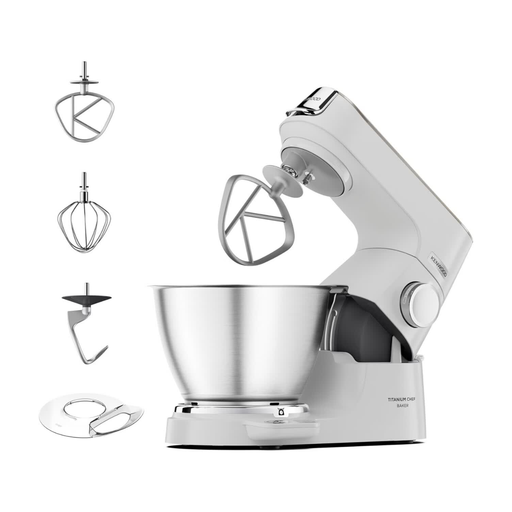 Image unavailable
Worth considering when weighing ingredients during shared preparation is a priority. Check the exact model’s bowl and tool contents, its limits for your scone recipe and the space needed to keep it accessible.
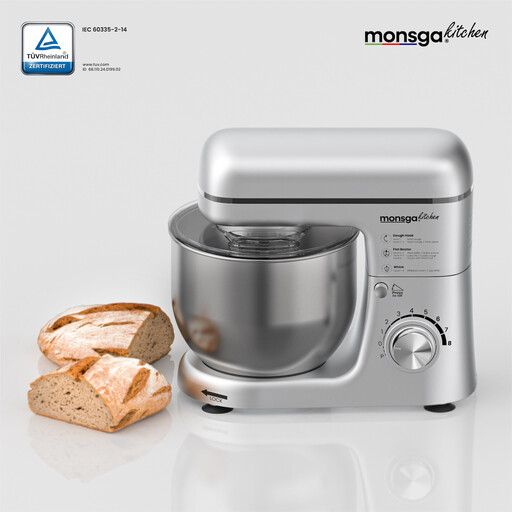 Image unavailable
Consider it if bowl room and tilt-head access are useful in your shared workspace, but establish the permitted dough quantity for your recipe before buying. The product name specifies eight speed settings and 1000W peak power; peak power is not a measure of full-batch mixing performance.
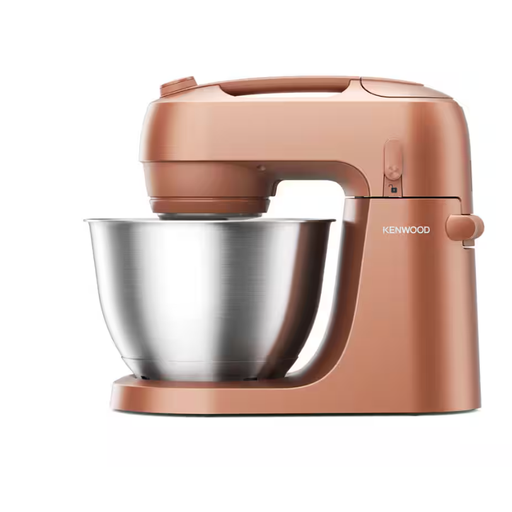 Image unavailable
Consider this model when moving and storing a mixer between shared uses is important. Check that its permitted dough quantity accommodates your usual batch, and confirm how its bowl and tools should be cleaned.
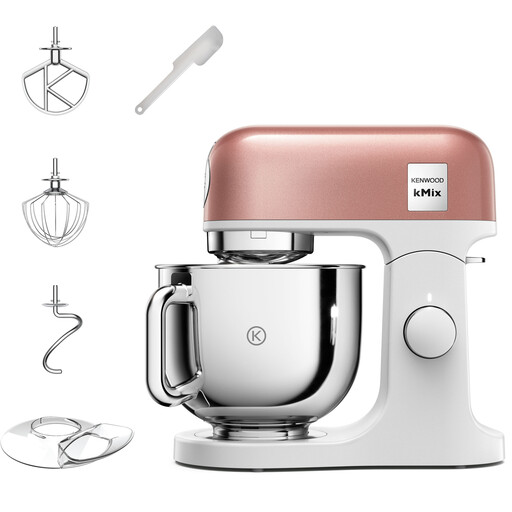 Image unavailable
This is another stand-mixer format to assess for a shared counter. Check the capacity applicable to your savoury scone recipe rather than applying a stiff-yeast-dough limit to it, and confirm the care instructions for the bowl and tools.
Not if your usual batch fits a smaller model’s stated limits. Compare your recipe and how often you make double or triple batches with the exact mixer’s guidance; KitchenAid suggests considering larger bowl-lift models for large quantities, not for every dough-making task.
Clean the bowl, tools and other food-contact parts according to their care instructions, along with relevant areas of the machine that may collect ingredients. The Food Standards Agency’s guidance calls for food-contact equipment that can be adequately cleaned; where allergens are involved, use a clear separation and cleaning routine between preparations.
A second bowl can help when people prepare separate mixes in turn, provided there is space to store it and a routine for cleaning it. Check whether the exact mixer includes one: Kenwood describes two nesting bowls for Titanium Chef Baker XL models, but that does not establish the contents of other models.
Sharing a kitchen alone does not settle its registration status; the activity carried out there matters. GOV.UK says food businesses in England, Wales and Northern Ireland must register at least 28 days before trading. If food-business activity is planned, check the requirements for that operation with the relevant local authority.