What to check before buying
Start with the space available and the total batter in your usual recipe, then consider who will clean and use the mixer between batches.
| Concern |
What to check |
Who this matters to |
| Storage and handling |
Measure the storage space and worktop clearance, including room to raise a tilt-head. Compare the model’s dimensions and weight with how often it must be moved. |
If I have to put the mixer away after each cake, I need one I can lift and store without taking over shared space; around 29% of consumers put storage first. |
| Cleaning and allergen control |
Check the exact model’s instructions for cleaning the bowl, tools and splashguard. Where allergen avoidance matters, plan how equipment and preparation surfaces will be cleaned and separated. |
When someone else may use the mixer for food that must avoid an allergen, I need a workable clean-down routine before sharing it; approximately 29% of consumers prioritise cleaning and allergen control. |
| Batter capacity and controls |
Compare the total mass of your recipe with the model’s stated cake-batter capacity, and check the included beater and speed settings. Bowl volume or wattage alone does not establish batch suitability. |
If I regularly scale up a yoghurt cake, I want to avoid splitting the batter into several mixes; around 24% of consumers make batch capacity and mixing control their main concern. |
| Use beyond cakes |
Confirm which mixing tools come with the exact model and whether any other attachments you would use are included or optional. |
When our household also whisks or mixes dough, I want the stored appliance to cover those recurring tasks; roughly 18% of consumers put broader use first. |
Stand mixers on Joybuy
These stand mixers offer different starting points for yoghurt cake mixing, from models with smaller stated bowls to one with a 6.5QT bowl. Check the exact model’s batch capacity, storage fit and cleaning instructions against the needs of everyone sharing the kitchen.
 No image available
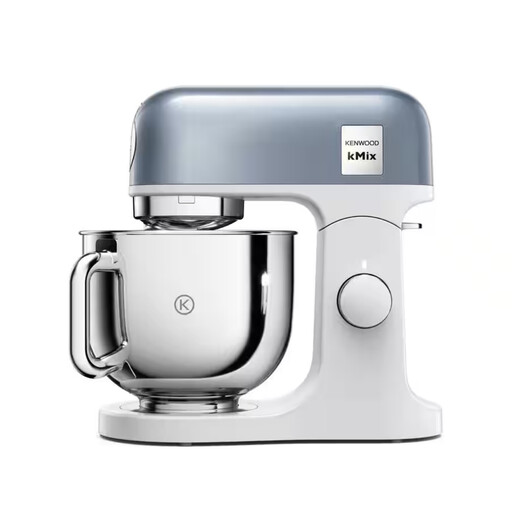
Kenwood kMix Editions Stand Mixer, Blue
Consider this kMix Editions variant for cake mixing if its batch capacity and storage dimensions suit your shared kitchen.
Check the exact model’s bowl and tool-cleaning instructions before sharing it, particularly where allergen avoidance matters.
View on Joybuy
 No image available
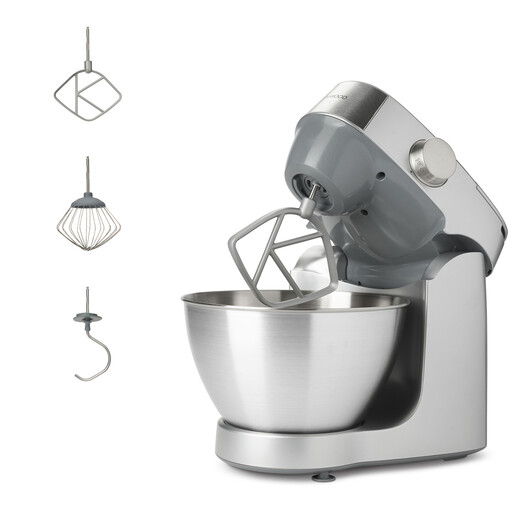
Kenwood Prospero+ KHC29.A0SI Stand Mixer, Silver
For shared-kitchen cake mixing, consider this Prospero+ if a 4.3 L bowl suits your usual recipe.
The product name specifies 1000 W and three bowl tools. Compare your batter quantity with the exact model’s cake-capacity guidance, and check its cleaning instructions for shared use.
View on Joybuy
 No image available
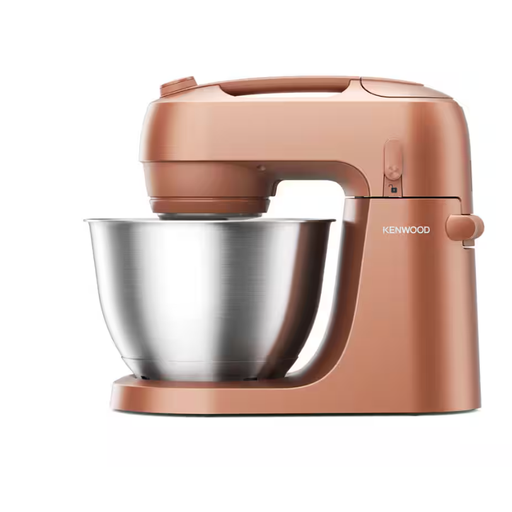
Kenwood Go Stand Mixer, Red Clay
Consider this Go variant if storage space is your main concern, but measure the intended location before choosing it.
Check the exact Red Clay model’s cake-batter capacity and bowl and tool-cleaning guidance rather than applying figures from another Go variant.
View on Joybuy
 No image available
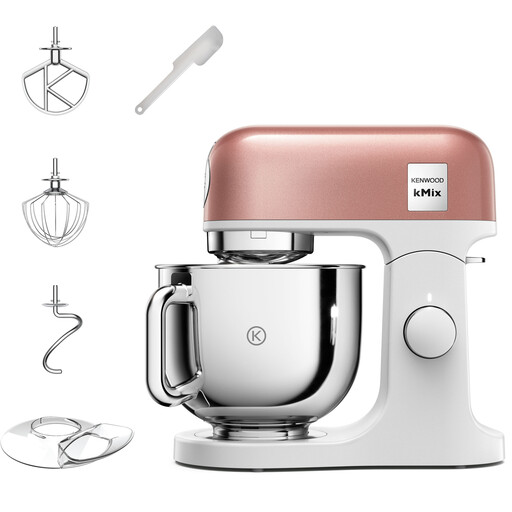
Kenwood kMix Editions KMX760API Stand Mixer, Apricot Pink
Consider the KMX760API for yoghurt cake mixing if its size, tools and batch guidance match how your household will use it.
Check its weight if it must be moved after each use, and follow the exact model’s cleaning instructions before sharing the bowl and tools.
View on Joybuy
 No image available
Honinst 6.5QT 10-Speed Tilt-Head Stand Mixer
Consider this tilt-head mixer if you want a bowl labelled 6.5QT and have room to use and store it.
The product name lists a dough hook, whisk and beater. Check the model’s dimensions, cake-batter capacity and cleaning instructions before choosing it for a shared kitchen.
View on Joybuy
Frequently asked questions
What bowl size makes sense for yoghurt cake batter?
Start with the total mass of your usual recipe, not bowl volume alone. Kenwood GB states a 1.8 kg cake capacity for the 4 L Go KZM35.000GY and separately gives 1.6 kg of cake batter as a practical bowl-capacity example; use the capacity guidance for the exact model you intend to buy.
Is a bowl-lift mixer better for cake batter than a tilt-head model?
Not necessarily: a tilt-head model can provide convenient access for adding ingredients to an ordinary cake batch, while a bowl-lift model may suit recurring larger or heavier batches. KitchenAid UK describes its bowl-lift models as larger and heavier, so account for storage and handling as well as bowl size.
How should we clean a shared mixer after making yoghurt cake?
Clean the bowl, mixing tools and other food-contact parts according to the exact model’s instructions, and clean the preparation surface before the next user starts. If someone must avoid an allergen, agree a suitable cleaning and separation process rather than relying on the mixer’s visible appearance.
Does allergen-free baking require a separate mixer?
A separate mixer may be needed if shared equipment cannot be cleaned sufficiently for the intended allergen-sensitive use; visible cleanliness alone is not enough to decide. Coventry City Council’s food-business guidance warns that complex equipment can retain residues and advises separate clean, sanitised equipment for allergen-free preparation. That food-business guidance does not establish a universal legal requirement for private shared homes.
Would an integrated scale help with yoghurt cake preparation?
An integrated scale can let you weigh ingredients in the mixer bowl on a model that provides one, such as the Bosch MUM5XW40G listed by Bosch GB. It does not replace checking batch capacity or cleaning the equipment between users.


