Small-kitchen lunchbox bakers
If you usually make one batch at a time, storage space may matter as much as bowl size. Compact models are worth considering, provided the included tool and stated capacity suit your recipe.


For one lunchbox-sized batch at a time, start with a compact stand mixer and check that the exact variant includes a paddle or K-beater for biscuit dough. A larger mixer makes more sense if you regularly scale up recipes or use it for other substantial mixing jobs, but its capacity comes with greater storage demands.
If you usually make one batch at a time, storage space may matter as much as bowl size. Compact models are worth considering, provided the included tool and stated capacity suit your recipe.
If biscuits are a regular bake, a medium-sized mixer may give you room for other family baking without choosing a large bowl-lift machine solely for occasional bigger batches.
If you often prepare several trays or mix other substantial batches, compare larger formats against your recipe quantities and the space available to keep the machine.
For lunchbox biscuits, check the supplied mixing tool and the capacity of the exact model before deciding how much space to give the appliance.
| Concern | What to check | Who this matters to |
|---|---|---|
| Storage and batch size | Measure the intended space and compare your recipe with the exact model's stated capacity, not bowl litres alone. | If I make just one batch, I need a mixer I can put away without giving up the capacity my recipe requires. Around 33% of consumers put compact storage and right-sized capacity first. |
| Biscuit-dough mixing | Confirm the included paddle, flat beater or K-beater; check speed guidance and model-specific information about bowl reach. | For frequent biscuit baking, I want to cream ingredients and combine the dough without choosing a machine just for its motor rating. Approximately 42% of consumers make practical biscuit-dough mixing their primary concern. |
| Larger batches | Compare stated cookie, flour or dough limits for the exact model, and measure clearance for a larger machine. | When I regularly double a recipe or mix other substantial batches, I need capacity I will actually use. Roughly 25% of consumers prioritise that extra batch headroom. |
A motor rating does not tell you which beater is supplied or how much of your recipe the bowl can handle. Kenwood's published pastry-flour limits differ between its Go and Multi Tasker models.
Check the beater, model-specific capacity and dimensions before treating wattage as a deciding factor.
KitchenAid describes bowl-lift mixers as taller and bigger than tilt-head models. Extra capacity is less useful if your usual biscuit recipe remains small.
Measure storage clearance and compare your normal batch with the named model's capacity before moving to a larger format.
A larger machine also takes more counter or cupboard space.
Which? includes attachment reach and the need to scrape down the bowl in its stand-mixer testing. These details can affect how much attention a batch needs during mixing.
Look for model-specific reviews and check whether a compatible scraper or flex-edge beater is supplied or available separately.
Food-business allergen duties do not, by themselves, establish the rules for a private school lunchbox.
Check the school's current policy for a private lunchbox. If you supply biscuits through a food business, follow the applicable food-business guidance.
These brands offer different mixer formats to compare; the figures below apply to the named models or ranges, not every product from each brand.
Kenwood offers compact and medium-sized models relevant to single-batch baking; its own basic-biscuit recipe uses a K-Beater.
KitchenAid offers named tilt-head and larger bowl-lift models with manufacturer-published cookie capacities.
Bosch presents compact and larger MUM stand-mixer formats within its range.
These models cover compact and family-baking choices for making biscuit dough. Check the exact variant's beater and batch limit against the recipe you normally make.
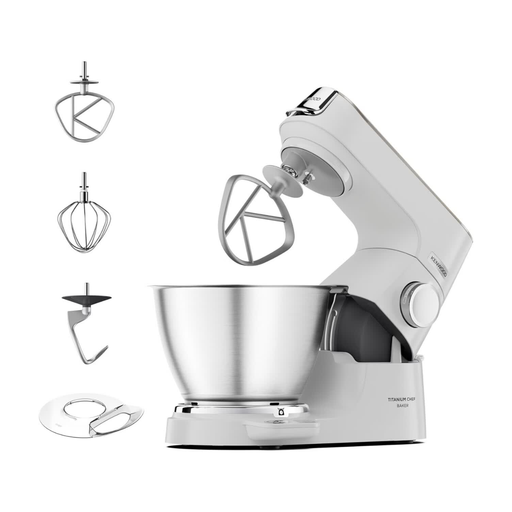 No image available
For a regular family baking routine, compare this variant's stated pastry-flour limit with your biscuit recipe. Check its weight and height if you plan to lift it into storage.
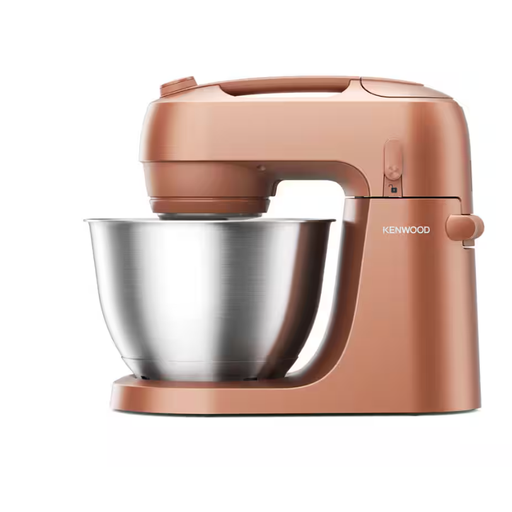
 No image available
A compact-format choice to assess for single batches. Its product name specifies a 4.3 L bowl, 1000 W rating and three bowl tools, but confirm that the supplied mixing beater is suitable for biscuit dough; do not treat a dough-capacity figure as a biscuit-specific limit.
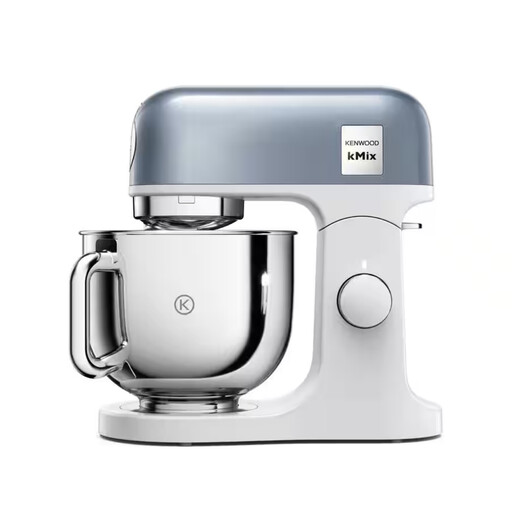
 No image available
Consider this variant if cupboard space is a priority for your usual single batch. Check its exact dimensions, included beater and stated recipe capacity before buying.
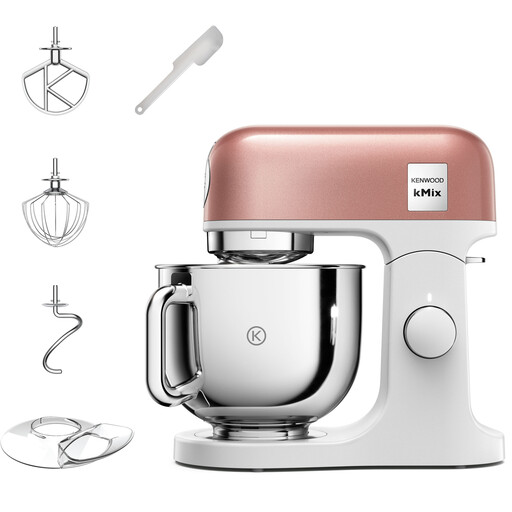
 No image available
If you bake for the family regularly, compare this mixer's batch limit with the quantities you make. Check its height and weight against your counter or storage arrangement.
 No image available
For a regular home-baking routine, check this variant's stated batch limit before scaling your biscuit recipe. Measure the intended space rather than relying on a general compact-design description.
Look for a paddle, flat beater or K-beater. Kenwood's basic-biscuit recipe uses a K-Beater to cream butter and sugar before combining the remaining ingredients; confirm that a suitable tool is included with the exact mixer variant.
A 4 L bowl may suit a single batch, but the exact model's ingredient limit matters more than bowl volume alone. Kenwood GB lists a 0.5 kg pastry-flour capacity for its specified 4 L Go model; compare your recipe with the limit for the variant you are considering.
For a private school lunchbox, check the school's current allergen policy rather than assuming food-business labelling duties apply. If you supply biscuits through a food business in England, Northern Ireland or Wales, Food Standards Agency guidance says operators must provide allergen information for prepacked and non-prepacked food and manage allergens during preparation.