Space-sharing sponge bakers
If the communal worktop must be cleared after baking, measure the storage space and consider who will lift and carry the mixer. A bowl that suits your recipe is little help if the machine is too awkward to put away.


Choose a compact stand mixer if it must be put away after every bake, but check its weight, cupboard clearance, bowl capacity and included whisk against your usual sponge recipe. A larger bowl may suit frequent baking when storage space permits. If several people use the mixer, confirm how each food-contact part should be cleaned, particularly where allergen cross-contact matters.
If the communal worktop must be cleared after baking, measure the storage space and consider who will lift and carry the mixer. A bowl that suits your recipe is little help if the machine is too awkward to put away.
If you make sponge cakes regularly, compare the supplied whisk and beater, speed settings and bowl size with the quantities you normally mix. Check storage needs as well as cake-making features.
When several people use the same mixer, the bowl, tools and contact areas need a workable cleaning routine. Where allergen cross-contact or food-business hygiene controls apply, agree how equipment will be cleaned and kept between uses.
Start with the space available for using and storing the mixer, then check its tools and capacity against your sponge recipes. Plan how shared parts will be cleaned before settling on a model.
| Concern | What to check | Who this matters to |
|---|---|---|
| Storage and moving | Measure the cupboard and operating space, including clearance above a raised head. Check the exact model’s weight and carrying arrangement. | If I have to clear the communal worktop after baking, I need a mixer I can lift and store without blocking someone else’s space. Around 42% of consumers put storage and moving first. |
| Sponge-batter mixing | Confirm the included whisk and beater, speed settings and manufacturer’s cake-capacity guidance for your usual batch. | When I bake often, I want the supplied tools and bowl to suit the amount of batter I make. For around 33% of consumers, cake-mixing control and capacity are the primary concern. |
| Cleaning shared equipment | Check the manual’s care instructions for each part and whether food-contact areas can be cleaned between users. | If others share the mixer, especially where allergens matter, I need a cleaning routine everyone can follow. Cleaning and cross-contact control come first for around 25% of consumers. |
A wattage figure does not tell you whether the included tools, bowl or controls suit your sponge recipe. It also says nothing about whether the mixer fits your shared worktop.
Check the exact package’s whisk and beater, the manufacturer’s cake-capacity guidance and the machine’s storage dimensions before comparing wattage.
The mixer still needs room for its bowl and tools, and a raised head or top-mounted attachment may need extra clearance during use. Bosch also advises allowing worktop space and access to an electrical outlet.
Measure both the storage position and the place where you will operate it, including space above the machine.
Care instructions can differ by component. A dishwasher claim does not establish that batter residue has been removed from every shared surface or that an allergen-control process is adequate.
Follow the manual for each part, clean food-contact areas between users and agree a separate process where the kitchen manages allergen cross-contact.
Cambridgeshire Fire and Rescue Service warns that using several adaptors or overloading a socket can cause overheating and fire.
Follow the appliance instructions, avoid overloaded adaptors and stop using a mixer if its plug, cable or socket is damaged or becomes hot.
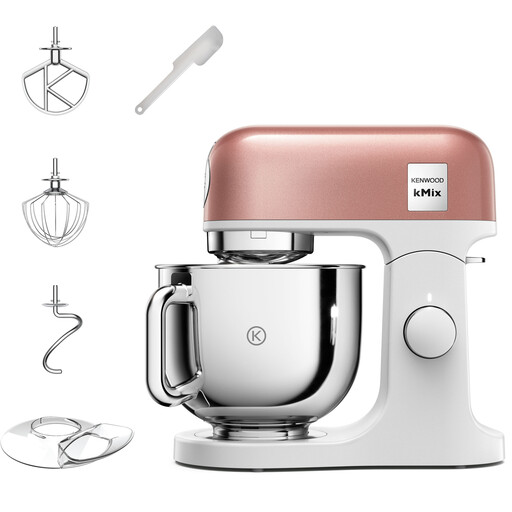
The Kenwood Go KZM35.000RD is a compact option to examine when a shared worktop must be cleared after baking.
The Artisan 5KSM125 is worth considering when regular cake baking takes priority and there is room to store a medium-sized mixer.
Bosch Series 2 offers a compact format to compare, with cleaning instructions worth examining for shared use.
These stand mixers offer different bowl sizes and formats for sponge-cake baking. Compare each one with the space available in your shared kitchen and the way its tools need to be cleaned.
 No image available
Consider this model if you need a sponge-cake mixer that can be put away after use; measure your storage space before ordering.
The product name specifies a 4.3 L bowl, three bowl tools and a 1000 W rating. Check which tools are supplied and consult the manual for cake-batch and cleaning guidance.
 No image available
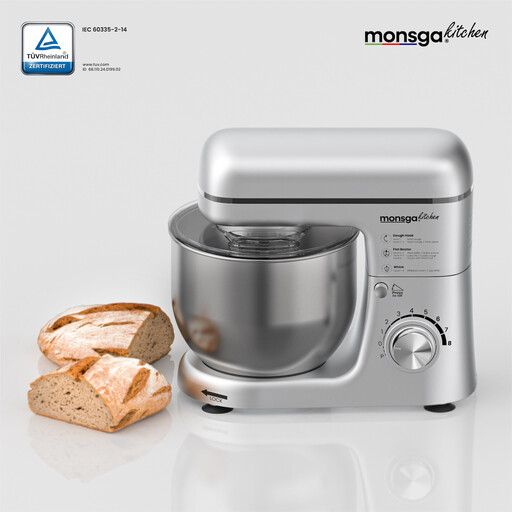
Consider this model if bowl size and speed choice matter for frequent sponge baking, provided it fits the space you share.
Check the exact package’s bowl and tools against your recipes. Measure the storage position and consult the manual before deciding how each part will be cleaned.
 No image available
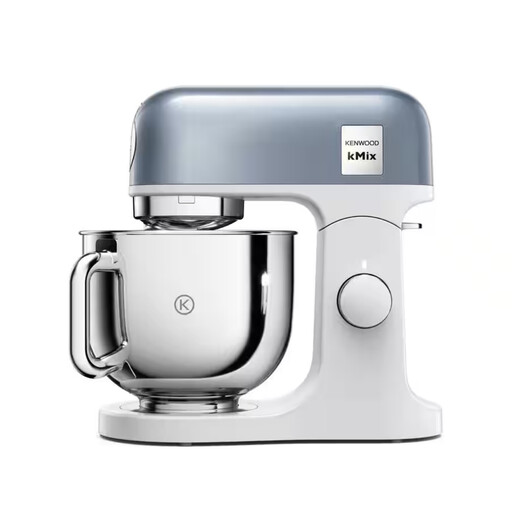
Consider this model if your usual recipe calls for a larger bowl and you have somewhere suitable to use and store the mixer.
The product name specifies eight speed settings, a whisk and a splash guard. Confirm the appliance’s dimensions and UK electrical-supply compatibility, and follow the care instructions for each part.
 No image available
Consider this model for sponge-cake mixing if its bowl and supplied tools suit your usual batch and the machine can be accommodated in your shared kitchen.
Measure the intended space and consider how often the mixer will need to be moved. Confirm the cleaning instructions for the bowl and each tool before sharing it.
 No image available
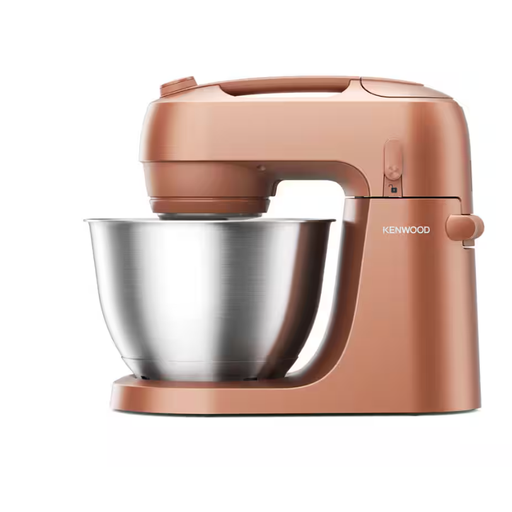
This compact model is worth considering if the shared worktop must be cleared after each bake, provided its 6.3 kg stated weight is manageable for the person moving it.
Kenwood GB specifies a 30 cm height, 4 L bowl, wire whisk, K-Beater and six speeds plus pulse for the KZM35.000RD. Check cupboard clearance and the model manual’s cleaning instructions.
Choose a bowl for the amount of batter you normally make, then check that the mixer fits your storage space. Kenwood GB specifies a 4 L bowl and a stated 1.8 kg cake capacity for the Go KZM35.000RD; KitchenAid UK specifies a 4.7 L bowl for the Artisan 5KSM125. Bowl volume alone does not establish how well a model handles a very small batch, so consult its manual if that matters to you.
No; check the care instructions for each part of the exact model. Bosch GB describes accessories for the MUMS2VM40 as generally dishwasher-safe, but that does not mean every component, including the motor unit, can go in a dishwasher.
Agree a cleaning process for the tools, bowl and food-contact areas before sharing the mixer, and do not treat a dishwasher claim as an allergen-control guarantee. Food Standards Agency guidance for food premises calls for potential cross-contamination areas to be identified and addressed; the arrangements in a household should reflect the people using its kitchen.
If you start or take over a food business, the Food Standards Agency registration service says to register with your local authority at least 28 days before trading or food operations start. That requirement concerns food businesses, not private baking simply because a kitchen is shared.
Follow the mixer’s instructions, check its plug and cable before use, and avoid overloaded adaptors. Cambridgeshire Fire and Rescue Service warns that overloading a socket with adaptors can cause overheating and fire; do not use equipment with damaged plugs, cables or sockets.