One-off bake-sale organiser
You need a whisk for the egg-and-sugar stage, but a large machine may be hard to justify for one event. James Martin Chef’s Swiss-roll method calls for 5–6 minutes of whisking before the flour is folded in.


Choose a stand mixer with a whisk and a bowl that fits your planned Swiss-roll batches; do not choose on bowl size alone. James Martin Chef’s Swiss-roll method whisks eggs and sugar to the ribbon stage before folding in flour. A compact mixer is worth considering when storage matters, while repeated batches or additional fillings make bowl capacity and the time spent changing components more important.
You need a whisk for the egg-and-sugar stage, but a large machine may be hard to justify for one event. James Martin Chef’s Swiss-roll method calls for 5–6 minutes of whisking before the flour is folded in.
You want a mixer you can put away between bakes without giving up the whisk or bowl space your recipe needs. Kenwood GB specifies a 30 cm height and 4 L bowl for the Kenwood Go KZM35.000RD; Bosch GB also describes its Series 2 range as compact.
You expect to prepare several sponges, fillings or other bakes, so changing between components matters as well as bowl capacity. KitchenAid UK lists a wire whisk with its cited 4.7 L 5KSM193 configuration and a metal wire whip with its 5.6 L 5KSM60SPX.
For a Swiss-roll bake sale, check the whisk and recipe quantity before deciding how much storage space and capacity to allow for other baking tasks.
| Concern | What to check | Who this matters to |
|---|---|---|
| Whisking control | Check for an included wire or balloon whisk and suitable speed settings; follow the recipe’s instruction for folding in flour. | If the sponge is my main task, I want control over whisking the eggs and sugar to the ribbon stage. Around 36% of consumers put that need first. |
| Changing between tasks | Check the exact box contents, whether a second bowl is supplied and how the tools should be cleaned. | When I am making a sponge and filling for the same event, I want fewer pauses to change or wash equipment. Around 29% of consumers primarily care about that workflow. |
| Storage space | Measure the intended storage space and compare it with the mixer’s dimensions and bowl size. | I bake occasionally and need to put the mixer away afterwards, provided it still fits my recipe. For around 21% of consumers, storage is the main concern. |
| Batch capacity | Compare the bowl’s usable capacity with your largest planned mixture and the number of batches. | If I expect several Swiss rolls or other bakes, I need room for the quantities I actually plan to mix. Around 14% of consumers prioritise capacity for that reason. |
Wattage does not tell you whether the exact mixer comes with the whisk needed for the egg-and-sugar stage. James Martin Chef’s method also calls for the flour to be folded in after whisking.
Check the supplied whisk and speed controls before comparing wattage.
A larger bowl does not, by itself, tell you whether a mixer suits your recipe quantity, and a larger machine takes more room in the kitchen.
Plan your largest realistic batch, including any filling or additional bakes, before choosing capacity.
Whether registration applies depends on how the event is operated. The Food Standards Agency says a new food business must register with its local authority at least 28 days before trading or food operations start; allergen-information requirements can also apply to loose bakery items.
Establish the event’s status with the local authority and keep accurate ingredient and allergen information for the recipes and selling format you use.
Kenwood’s Go KZM35.000RD is a compact option to compare with the separate, larger Chef Baker range.
The cited KitchenAid UK models offer a choice between a 4.7 L tilt-head configuration and a 5.6 L bowl-lift configuration.
Bosch’s Series 2 provides another compact kitchen-machine option for this task.
These stand mixers are relevant to whisking Swiss-roll batter, with bowl sizes and configurations to compare against a single bake-sale batch or a broader baking plan. Check the supplied whisk and your recipe quantity for the exact model you choose.
 No image available
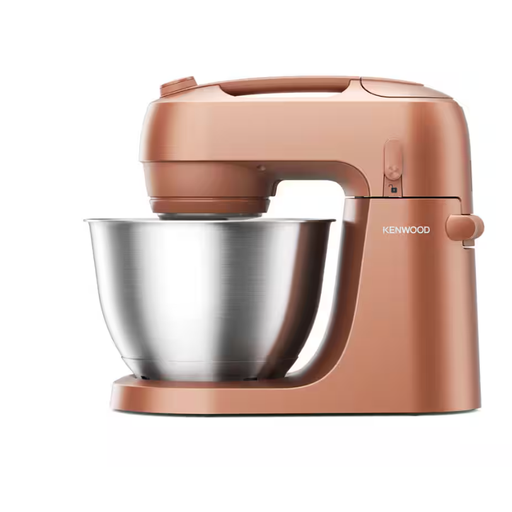
Consider this model for a Swiss-roll batch that fits its 4.3 L bowl; check the exact supplied whisk and speed controls against your recipe.
The product name specifies a 1000 W rating and three bowl tools.
 No image available
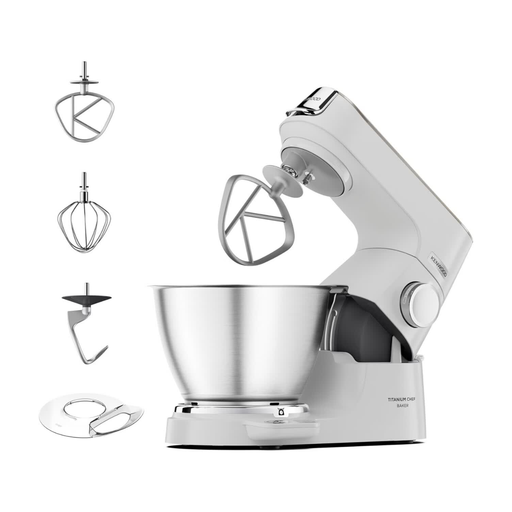
Consider this compact option when storage matters, provided its bowl fits your planned Swiss-roll mixture and any other components.
Joybuy identifies this Kenwood Go listing as having a 4 L bowl; confirm the supplied tools for the exact variant before ordering.
 No image available
If your bake sale involves several components, check this variant’s bowl capacity and supplied whisk against the quantities you plan to make.
Confirm the supplied bowl material and mixer dimensions before ordering, particularly if storage space is limited.
 No image available
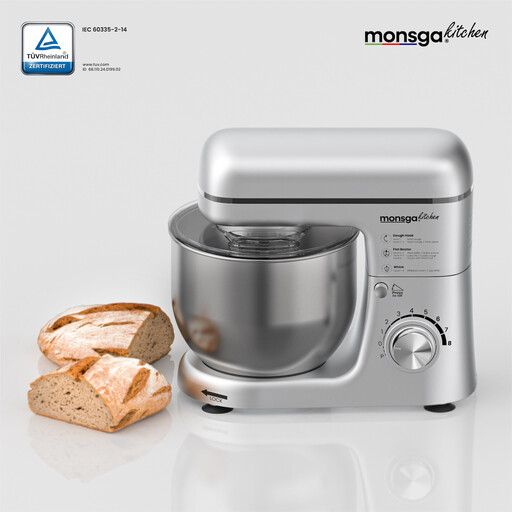
For a bake-sale plan with several components, compare the stated 5.0 L bowl size with your actual mixture quantities.
The product name specifies eight speed settings, a whisk and a splashguard. Check its dimensions if storage space matters.
No, not solely because you are making a Swiss roll. Check that a mixer has a suitable whisk and that its bowl fits your recipe; consider more capacity if you also plan repeated batches or other baking tasks. James Martin Chef’s method uses the mixer for whisking eggs and sugar, then calls for the flour to be folded in.
Follow your recipe’s folding instruction rather than assuming further whisking will help. In James Martin Chef’s Swiss-roll method, the flour is folded in after the eggs and sugar reach the ribbon stage.
Registration is required if the activity is a food business, but that status depends on how the particular event is operated. The Food Standards Agency says a new food business must register with its local authority at least 28 days before trading or food operations start; check the event’s status with the local authority before relying on that deadline.
Keep an accurate ingredient and allergen record for the sponge and its filling, then check what information the selling format requires. The Food Standards Agency says allergen-information requirements can apply to non-prepacked bakery items; the relevant allergens depend on the actual recipe.