Choose a stand mixer around how the shared kitchen operates: prioritise a bowl and whisk that users can clean between uses, then compare the supplied tools, speed controls and space needed to keep the machine. If you usually whip small portions, check the exact model’s minimum cream quantity before buying; bowl capacity alone cannot establish whether the whisk will reach them.
Who needs to consider what?
Shared-kitchen hygiene organisers
When several people use the same bowl and whisk, you need a cleaning and storage routine that works between uses. Check the care instructions for each food-contact part rather than assuming one dishwasher-safe claim covers the whole mixer.
Frequent dessert and baking makers
If cream-whipping sits alongside other baking jobs, look at the whisk, bowl arrangement and speed controls supplied with the exact model. A second bowl can help organise successive tasks, but it also adds another item to clean and store.
Occasional small-batch cream makers
If you usually prepare a small serving, establish whether the model can whip that quantity before committing worktop or cupboard space to it. Its stated bowl capacity does not answer the small-portion question.
What matters when choosing?
In a shared kitchen, settle how users will clean and put away the bowl and whisk before weighing up baking accessories or storage space. For small servings, check the minimum cream quantity specified for the exact bowl and whisk.
| Concern |
What to check |
Who this matters to |
| Cleaning between users |
Check the care instructions for the supplied bowl and whisk, including which parts can go in a dishwasher; agree where cleaned parts will be stored. |
If I share the mixer with people preparing other foods, I need to know its food-contact parts can be cleaned properly between uses. Around 42% of consumers put dependable cleaning first. |
| Whipping and baking workflow |
Confirm that the package includes a whisk, compare its speed controls and check the manual for quantities suited to your usual batches. |
When I whip cream regularly alongside other baking tasks, I want the supplied bowl and tools to fit that routine. About 33% of consumers make workflow their primary concern. |
| Space and small portions |
Measure the worktop and storage space, allowing access to the mixer head; check the exact model’s minimum cream quantity. |
If I make cream only occasionally, I need a machine I can accommodate without discovering that my usual serving is too small for its whisk. Roughly 25% of consumers prioritise space and small-portion practicality. |
Buying pitfalls
-
Taking bowl capacity as a small-batch guarantee
A stated 3.9 L, 4.7 L or 5 L capacity describes the bowl, not the least cream its whisk can reach effectively.
If small servings are central to your use, check the exact manual or ask the manufacturer to confirm the minimum cream quantity for that bowl and whisk.
-
Assuming every component is dishwasher-safe
A care claim may apply to named tools rather than the bowl, splash guard or every other part. It does not cover the motor housing by implication.
Identify each washable component in the model-specific instructions and follow the stated method for cleaning the housing.
-
Relying on clean tools alone to manage allergens
In food-business settings, the Food Standards Agency identifies allergen cross-contamination as a matter for the wider food-handling process. A separate whisk or bowl does not replace controls for handling, cleaning and storage.
Set a routine appropriate to the kitchen’s use. Where a person has a severe allergy, seek advice specific to that setting rather than relying on a mixer feature.
-
Treating an annual PAT test as the whole safety routine
For workplace use, the Health and Safety Executive says electrical equipment must be maintained to prevent danger; annual portable appliance testing is not automatically required in every low-risk environment.
Follow the workplace risk assessment and maintenance arrangements, including attention to visible damage to the plug, cable or casing.
Brands to consider for this use
These examples concern particular mixer models and packages, not every product made by each brand. Compare the exact configuration and care instructions before choosing.
Kenwood
Kenwood’s kMix KMX754APP is relevant if you want a 5 L bowl, a supplied whisk and manufacturer-stated dishwasher-safe tools for shared use.
- Kenwood lists a 5 L glass bowl, a stainless-steel whisk, variable speeds and a 1,000 W rating for this model.
- Kenwood lists the mixer at 10.86 kg; consider how it will be moved and stored. The stated bowl capacity does not establish a minimum cream quantity.
KitchenAid
The KitchenAid 5KSM175PS package is relevant when cream-whipping is one of several baking tasks and a second supplied bowl would be useful.
- KitchenAid lists 4.7 L and 3 L stainless-steel bowls, a wire whisk and ten speeds for the package.
- Two bowls mean more parts to clean and store; the 3 L bowl does not, by itself, establish suitability for a particular small serving of cream.
Bosch
The Bosch MUM58W20GB offers published dimensions to check against a constrained shared worktop, alongside a bowl and whisk for baking tasks.
- Bosch lists dimensions of 282 × 280 × 271 mm, a 3.9 L usable stainless-steel bowl, seven speed stages and a 1,000 W rating.
- Check the minimum cream quantity and care instructions for the exact components rather than inferring either from the bowl size or another Bosch model.
Joybuy stand mixers for this use
These Kenwood stand mixers are options to consider for cream-whipping in a shared kitchen. Compare the exact bowl and tool care instructions, the space each model needs and its suitability for your usual quantity of cream.
 No image available
Kenwood Prospero+ KHC29.A0SI, 4.3 L, silver
Consider this model if you want a stand mixer for cream-whipping alongside other baking tasks and need to plan where it will be cleaned and stored.
The listed variant has a 1,000 W rating and three bowl tools. Check the exact care instructions and minimum cream quantity if shared cleaning or small servings will determine your choice.
View on Joybuy
 No image available
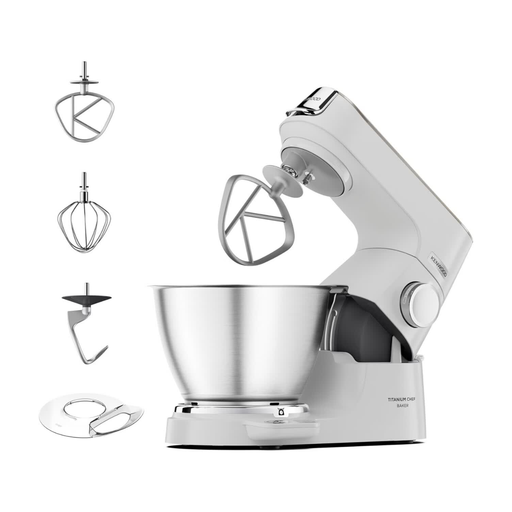
Kenwood Chef Baker KVC65.001WH, white
Consider this model if cream-whipping is part of a regular shared-kitchen baking routine.
Before choosing it for small portions, confirm the minimum cream quantity for its supplied bowl and whisk; check the care instructions for the parts users will wash between tasks.
View on Joybuy
 No image available
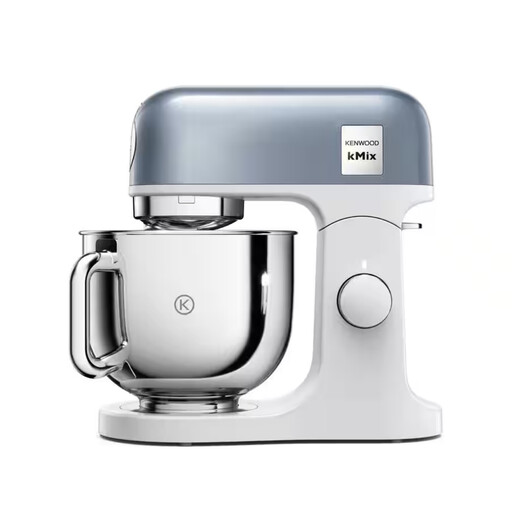
Kenwood kMix Stand Mixer Editions, blue
Consider this variant when a shared mixer will handle cream as well as other baking tasks.
Check the instructions for cleaning its bowl separately from its tools, and confirm the minimum cream quantity if you usually make small servings.
View on Joybuy
 No image available
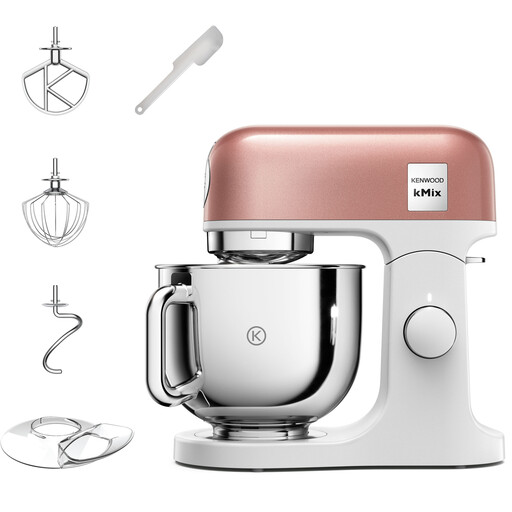
Kenwood kMix KMX760API, apricot pink
Consider this model if worktop space is an important part of your shared-kitchen decision; measure the space available before choosing.
Check the model-specific washing instructions for the bowl and tools, as well as the minimum cream quantity for your usual portion.
View on Joybuy
 No image available
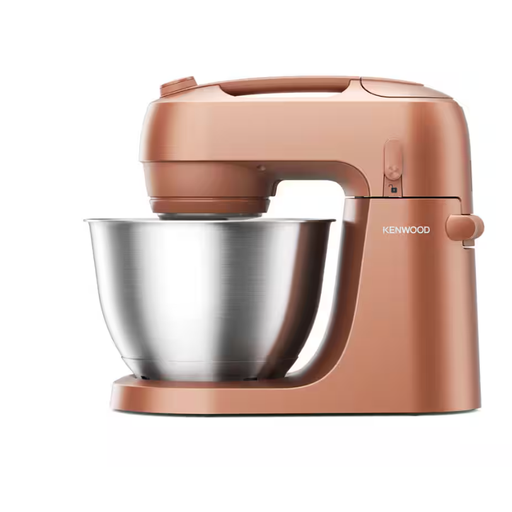
Kenwood Go stand mixer, red clay
Consider this model if putting the mixer away between uses is central to how your shared kitchen works; check the cupboard and access space it would need.
Confirm how to clean its bowl and tools after use, and whether the manufacturer specifies a minimum cream quantity suited to your servings.
View on Joybuy
Frequently asked questions
Does a shared-kitchen mixer need dishwasher-safe parts?
No: dishwasher-safe parts are not a universal requirement for a domestic shared household, but they can make the cleaning routine easier to organise. Check which components the exact model’s claim covers. For food operations, the UK Food Standards Agency says food-contact equipment should, where necessary, be capable of adequate cleaning and disinfection to avoid contamination.
Will a 5 L stand mixer whip a small serving of cream?
A 5 L bowl capacity cannot establish that the whisk will reach a small serving. Check the manual or ask the manufacturer for the minimum cream quantity using the exact bowl and whisk you plan to use.
Does a mixer in a shared workplace kitchen need a PAT test every year?
Not automatically. The UK Health and Safety Executive says electrical equipment must be maintained to prevent danger, while the checks and their frequency depend on the equipment and its use; annual portable appliance testing is not a blanket requirement in low-risk environments. Follow the workplace risk assessment and act on visible damage.
Can people with different allergen needs share one stand mixer?
Sharing requires cleaning and cross-contamination controls appropriate to the people and kitchen involved; an extra bowl or whisk is not a complete solution on its own. For food businesses, the UK Food Standards Agency’s allergen guidance makes the wider handling and cleaning process relevant to that decision.


