What matters when choosing?
Settle how the mixer will be cleaned and where it will live, then compare dough guidance against the batches you actually make. Weighing features are useful only if those essentials work for everyone sharing the kitchen.
| Concern | What to check | Who this matters to |
|---|
| Allergen control and cleaning |
Check care instructions for the bowl and supplied tools, and agree how shared parts will be cleaned, inspected and stored. |
If my kitchen handles different recipes, I need a cleaning routine that accounts for milk, gluten and other relevant allergens. Around 36% of consumers would put allergen control and cleanability first. |
| Dough capacity and tool |
Confirm the supplied dough tool and the exact model’s quantity limit, including which type of dough that limit describes. |
When I make several trays, I need to know whether my usual batch is within the mixer’s guidance rather than judging by bowl size. Roughly 29% of consumers would make dough capacity and tool choice their primary concern. |
| Worktop and storage fit |
Measure the allocated space, overhead clearance and storage route; consider the model’s weight if it must be moved. |
If the worktop is shared, I need room to operate the mixer and somewhere practical to keep it afterwards. About 21% of consumers would prioritise space and handling. |
| Measuring workflow |
Check whether the model’s weighing or timing functions suit the recipe you plan to share. |
When several people follow one recipe, I want ingredient measuring to be straightforward and repeatable. Around 14% of consumers would put measuring workflow first. |
Joybuy stand mixers for this task
These stand mixers are options to assess for cheese cracker dough in a shared kitchen. Match a model’s applicable dough guidance, space requirements and care instructions to the way your kitchen is used.
 No image available
Kenwood Chef Baker KVC65.001WH, White
For a shared recipe that relies on weighed ingredients, check whether this mixer’s weighing workflow suits your routine. Confirm the applicable dough limit before making a full batch, and plan where the machine will be kept.
View on Joybuy
 No image available
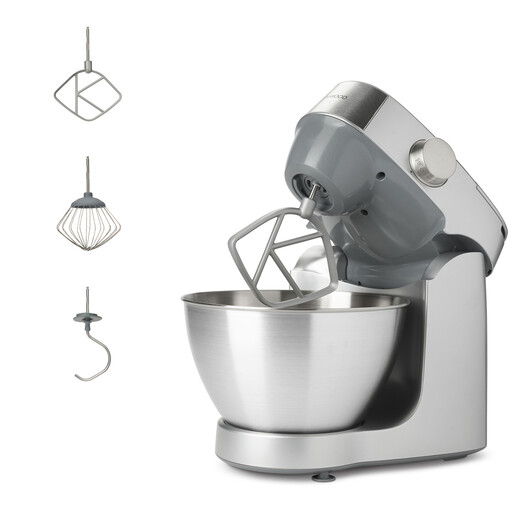
Kenwood Prospero+ KHC29.A0SI, Silver
If the shared worktop is limited, measure the space available and check the dough guidance against your usual batch. The product name specifies a 4.3 L bowl, three bowl tools and 1000 W; none of those figures is a cheese cracker dough limit.
View on Joybuy
 No image available
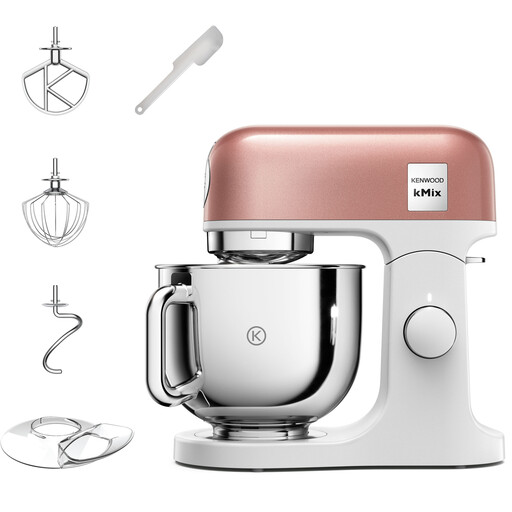
Kenwood kMix KMX760API, Apricot Pink
For repeated dough mixing, check the manual’s quantity and operating-time guidance against your recipe. Confirm the exact dimensions before assigning it a place in the shared kitchen, and check how the supplied parts should be cleaned.
View on Joybuy
 No image available
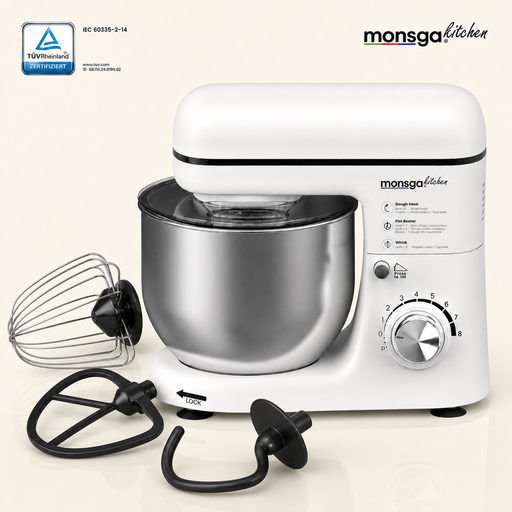
MONSGA SM100, Cream White, 5.0 L
If several people will use the mixer, check the dough limit for your recipe and agree how the bowl and tools will be cleaned. Its product name specifies a 5.0 L stainless-steel bowl, dough hook, splash guard and eight speed settings; the stated 1000 W is peak power, not a dough-capacity measure.
View on Joybuy
 No image available
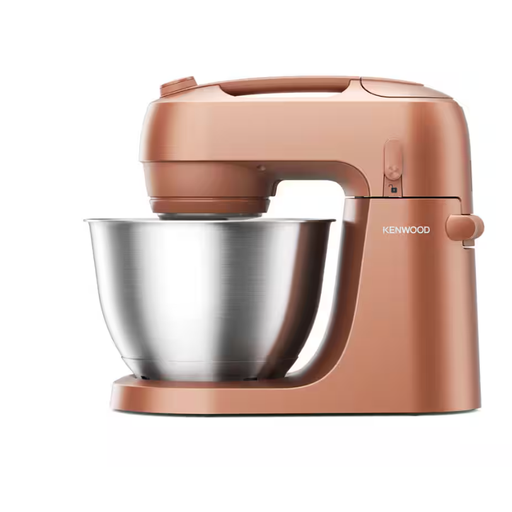
Kenwood Go Stand Mixer, Red Clay
If cupboard storage is important, measure both the available space and the route to the worktop. Check the manual’s dough-quantity guidance and care instructions for the bowl and tools before choosing it for shared use.
View on Joybuy
Questions about shared-kitchen mixing
Do I need a dedicated mixer for cheese cracker dough?
Not automatically. Where equipment is shared between recipes, decide whether assigned bowls or tools would help your cleaning and segregation routine. A dedicated appliance does not, on its own, control allergen cross-contamination; food businesses also need appropriate allergen controls.
Does selling the crackers change what I need to consider?
Yes—if you operate a retail or catering food business, allergen information and applicable labelling rules become part of the preparation process. GOV.UK says food business operators must provide allergen information and follow those rules. Check the requirements for your operation and location; cheese and wheat flour introduce milk and cereals containing gluten respectively when used.
How do I choose a bowl size for cracker dough?
Start with your normal dough quantity rather than the bowl’s litre figure. Check the exact mixer’s supplied tool and stated limit, noting whether the manufacturer measures bread dough, yeast dough or another category. Follow its manual when trying your recipe.
What should I measure before buying a mixer for a shared kitchen?
Measure the operating space, clearance above the mixer and the route from storage to a suitable socket. Bosch Home UK advises allowing worktop and socket space, plus headroom where attachments connect on top. Consider who will move the mixer if it cannot stay on the counter.


