Occasional baker with limited storage
You make modest batches of choux for a lunchbox and want room to store the mixer without giving up a beater and whisk.


For lunchbox choux, choose a stand mixer with controllable speeds and the mixing and whisking tools you need, rather than judging it by motor wattage alone. A compact model makes sense when storage is tight; a larger bowl or built-in weighing matters more if you regularly make bigger batches or several components. Whichever mixer you choose, add the eggs gradually, judge the dough’s texture yourself and plan suitable storage for the filling.
You make modest batches of choux for a lunchbox and want room to store the mixer without giving up a beater and whisk.
You want one mixer for choux, whipping cream and other baking, so speed control and the tools supplied with the exact model matter.
You make larger quantities or prepare pastry and filling in one session, making bowl capacity, a second bowl or built-in weighing worth considering.
For lunchbox choux, start with how you will incorporate the eggs and which tools come with the mixer. Then match the bowl and storage space to your usual batch before deciding whether weighing or programmes would be useful.
Consider it when: you bake occasional small batches and cupboard or worktop space is your main constraint.
Trade-off: check your recipe quantity against the exact model’s stated capacity; a pastry-flour capacity is not a choux-specific limit.
Consider it when: you also make cream and other bakes and want a conventional mixer for regular use.
Trade-off: the attachment bundle varies by model, so confirm that the beater and whisk you want are supplied.
Consider it when: you regularly make larger batches or several components and would use a second bowl or built-in weighing.
Trade-off: allow for the machine’s storage space; a programme does not remove the need to check choux texture.
| Concern | What to check | Who this matters to |
|---|---|---|
| Controlled mixing | Check for manageable speed settings and a supplied beater and whisk; assess how you will add eggs gradually. | If I want to stop adding egg when the dough is smooth and reluctantly drops from the beater, I need control rather than an automatic result. Around 33% of consumers would put choux texture control first. |
| Storage and modest batches | Measure the intended storage space and compare it with the mixer’s dimensions and stated bowl capacity. | When cupboard space is tight and I bake only occasional lunchbox batches, I do not want the machine to dominate the kitchen. Roughly 27% of consumers would prioritise compact storage. |
| Repeated or larger batches | Compare bowl sizes and stated capacities with your recipes; check whether a second bowl is included. | If I make pastry and filling in one session or bake in larger quantities, I want enough capacity for my usual work. About 20% of consumers would make batch capacity their primary concern. |
| Weighing and programmes | Check for built-in scales and whether any programme applies to the task you intend to make. | When I prepare several components, weighing into the bowl could simplify my routine, but I still need to judge the choux dough. Around 20% of consumers would put this convenience first. |
A motor rating does not tell you when choux dough has reached the right texture. Good Food’s choux method calls for the cooked mixture to cool before eggs are beaten in gradually until the dough is smooth and reluctantly drops.
Check the supplied beater and whisk, speed control and access to the bowl. Treat wattage as one specification, not a choux result.
More bowl capacity may help with repeated baking, but bowl size alone does not establish how a small recipe will mix.
Compare your usual recipe quantity with the model’s stated capacities, then measure the space available to use and store it.
A mixer cannot address what happens to filled pastries after baking. Food Standards Agency guidance identifies moisture, temperature and time as factors in bacterial growth.
Choose the filling with its storage instructions and the lunchbox journey in mind; do not assume that cream-filled choux can be kept at room temperature.
Kenwood’s Go KZM35.000RD offers a compact route, while its Titanium Chef Baker XL KVL85.004SI is aimed at larger or multi-component baking.
The researched Artisan 5KSM125 is a conventional 4.7L planetary-mixer option for everyday baking.
Bosch’s UK Series 6 range is relevant if built-in weighing and guided mixing are priorities alongside a 5.5L bowl.
Smeg’s UK stand-mixer range provides another conventional, middle-capacity option for general baking.
These stand mixers are choices to consider for mixing lunchbox choux and preparing other bakes. Check each model’s supplied tools and bowl capacity against your recipe; choosing a mixer does not settle how a filled pastry should be stored.
 No image available
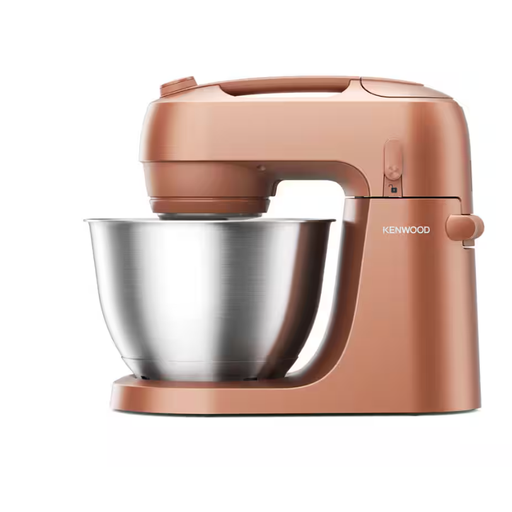
Consider this model when storage space is a priority for occasional choux baking. Kenwood lists a 4L bowl, six speeds, a K-beater, whisk and dough tool for the KZM35.000RD. Its stated 0.5kg pastry-flour capacity is not a choux-specific maximum; check your recipe quantity and judge the dough as you add the eggs.
 No image available
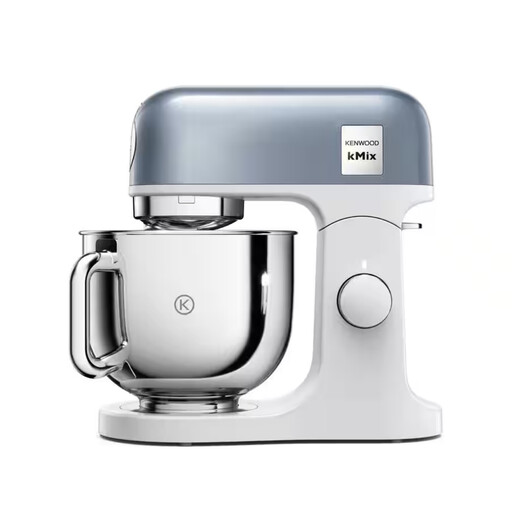
Consider this mixer if you want one machine for pastry mixing and other baking. Check the tools supplied with this Blue variant, its bowl capacity and the space it needs before deciding whether it fits your choux routine.
 No image available
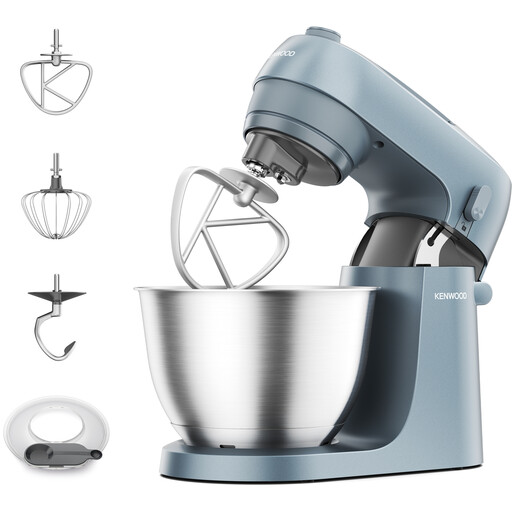
Consider this Go variant when a lunchbox-baking mixer also needs to fit your available storage space. Check the KZM35.000GY listing for its bowl capacity and supplied beater and whisk rather than applying specifications from another Go variant.
 No image available
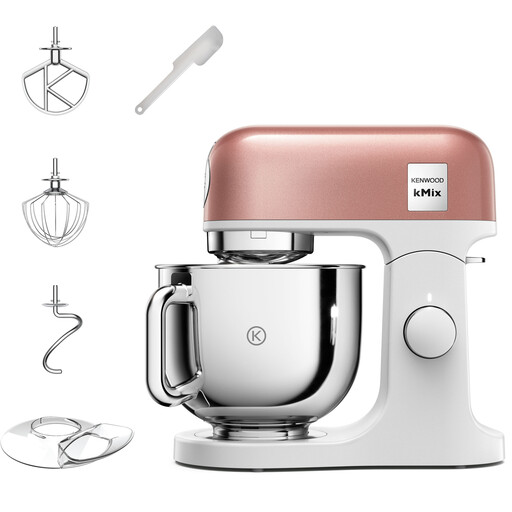
Consider the KMX760API if you want a stand mixer for choux and regular baking. Confirm that this variant supplies the beater and whisk you need, and measure its storage space before buying.
 No image available
Consider this model if you want a stand mixer for modest pastry batches and other baking. Its product title specifies a 4.3L bowl, 1000W motor and three bowl tools; confirm which tools are supplied and compare the bowl with your recipe quantity. The motor rating does not establish choux results.
No. You can mix choux without one; a stand mixer changes the mixing routine but does not judge the finished dough for you. Good Food’s method calls for cooling the cooked mixture to hand temperature, then beating in the eggs gradually until it is smooth and reluctantly drops.
Check that the exact mixer includes a beater for mixing and a wire whisk for whipping cream. A dough hook may be useful for other baking, but it is not the attachment that defines your choux-and-cream routine.
Do not assume it can. Food Standards Agency guidance identifies temperature and time as factors in bacterial growth, so follow the filling ingredients’ storage instructions and arrange suitable cold storage when required for the lunchbox journey.