Compact-kitchen picnic bakers
If you make meringues or other egg-white recipes only occasionally, measure where the mixer will be stored as well as where you will use it. The bowl still needs to suit your usual recipe.


Choose a stand mixer with a supplied wire whisk, then check that its bowl and egg-white guidance suit the amount you usually make for a picnic. A compact machine may be easier to put away between occasional bakes, while larger bowls are worth considering for group desserts; neither bowl size nor motor rating establishes how well a mixer handles a very small batch. Foods that normally need refrigeration must also be kept cool on the way to the picnic.
If you make meringues or other egg-white recipes only occasionally, measure where the mixer will be stored as well as where you will use it. The bowl still needs to suit your usual recipe.
If soft, firm or stiff peaks are your main reason for buying, check for a supplied wire whisk and guidance for the smallest batch you expect to make. KitchenAid advises using two or more egg whites with its mixers.
If you regularly prepare several desserts for an outing, compare the stated egg-white capacity of each exact model with your recipes. A larger bowl also needs a suitable place to be used and stored.
For egg-white recipes, start with the whisk and your smallest usual batch. Then decide whether storage or capacity for group baking is more likely to shape your choice.
| Concern | What to check | Who this matters to |
|---|---|---|
| Whisking the intended batch | Confirm that a wire whisk is supplied and check the exact model’s minimum egg-white guidance. | If I usually make a small meringue topping, I need the whisk to reach the quantity in my bowl. Around 42% of consumers put whisking their intended batch first. |
| Storage and setup | Measure the storage space and check the mixer’s full dimensions and clearance for raising its head. | When I bake for outings only now and then, I need a machine I can get out and put away comfortably. Storage is the primary concern for around 33% of consumers. |
| Group-batch capacity | Compare the exact model’s stated egg-white capacity and bowl size with your usual recipes. | If I prepare several desserts for a group, I want a bowl suited to the quantity rather than choosing by size alone. Making larger batches comes first for around 25% of consumers. |
A wattage figure does not tell you whether the whisk will work with your smallest egg-white batch. The supplied tool and model-specific quantity guidance matter to this task.
Check for a wire whisk and read the exact mixer’s instructions for the number of whites you normally use.
Extra capacity can help when preparing desserts for a group, but it also needs room in your kitchen. Bowl volume alone does not establish suitability for a small batch.
Compare your regular recipe quantities with the model’s stated capacity, then measure its storage footprint.
Grease or yolk in the whites can interfere with whisking even when the mixer is suitable.
Start with a clean, dry bowl and whisk, and separate the eggs carefully. Follow the recipe’s guidance for the peak stage you need.
Choosing a mixer does not address the transport needs of a dessert that would normally be refrigerated. Food Standards Agency picnic guidance says to keep such food cool.
Plan how to keep chilled dishes cool on the journey and until serving, using a closed cool bag or box with cooling packs where needed.
A cool bag or box and cooling packs may be additional items to carry.
Kenwood’s range includes compact and larger-bowl stand mixers, so the exact model matters more than the brand name when judging storage and batch capacity.
Bosch offers compact MUM Series 2 machines as well as Series 6 models with an egg-white programme.
KitchenAid’s medium tilt-head range includes the Classic 5K45SS, which has a 4.3L bowl and a supplied wire whisk.
These stand mixers offer options to consider for occasional picnic baking and larger dessert batches. Compare each exact model’s supplied whisk, minimum egg-white quantity and storage dimensions against your own recipes and kitchen space.
 No image available
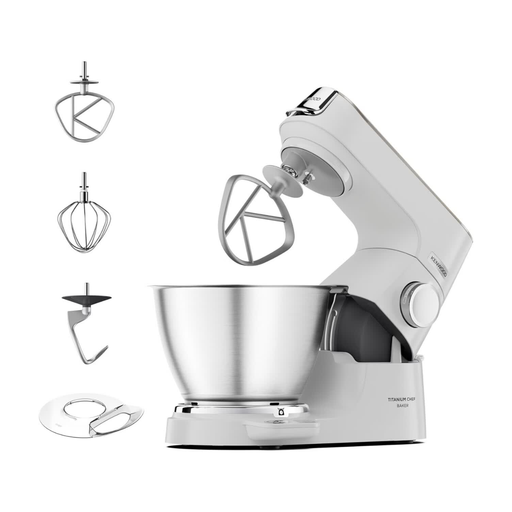
For occasional picnic baking, compare its footprint with the space available for storage. The product name specifies a 4.3L bowl, a 1000W rating and three bowl tools; check that the supplied tools and minimum-batch guidance meet your egg-white needs.
 No image available
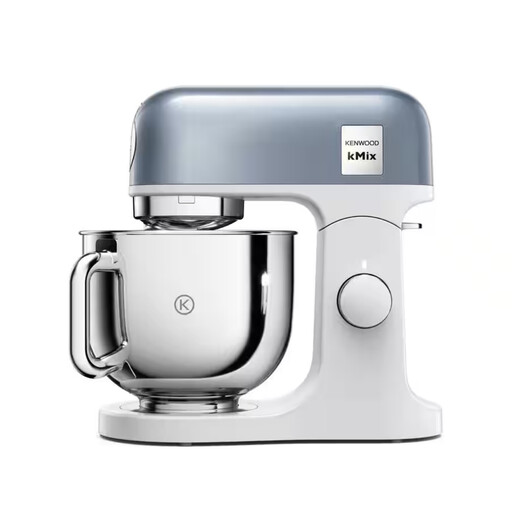
If you make several picnic desserts, compare this model’s bowl and stated egg-white capacity with the quantities in your recipes. Check its supplied whisk, minimum-batch guidance and storage dimensions before choosing it.
 No image available
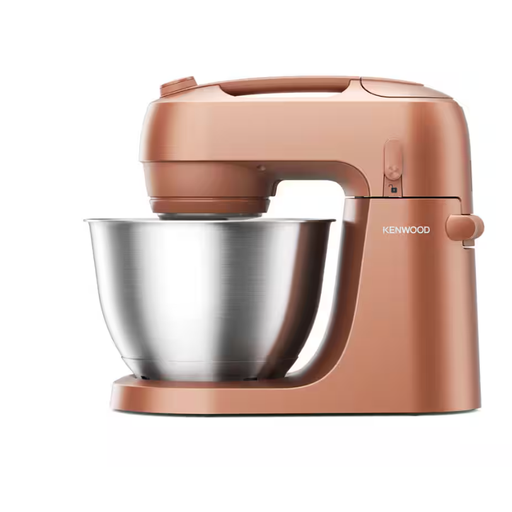
For meringues alongside other baking, check whether this variant’s supplied whisk and bowl suit both your smallest egg-white recipe and the larger batches you plan to make. Measure the space where you would keep it between outings.
 No image available
If you need to put the mixer away after occasional picnic baking, check this variant’s full dimensions against your storage space. Confirm its supplied whisk and minimum egg-white guidance against your usual recipe.
No: a wattage rating alone does not establish how a stand mixer will handle your egg-white quantity. Check for a supplied wire whisk, follow the exact model’s minimum-batch guidance and use a clean bowl free from grease or yolk.
Check the instructions for the model you intend to use. KitchenAid recommends two or more whites with its mixers and suggests starting some very small batches with the flat beater until frothy before switching to the wire whisk; that technique should not be assumed to apply to every mixer.
Check the care instructions for the exact whisk rather than assuming all attachments are alike. KitchenAid describes its separate stainless-steel 5KSM5THWWSS whisk as dishwasher-safe, but says the whisk supplied with its Classic 5K45SS should be washed in warm soapy water.
Keep food that would normally be refrigerated cool during transport and until serving. Food Standards Agency picnic guidance recommends a cool bag or box with cooling packs; Food Standards Scotland advises eating ready-to-eat food within four hours of taking it out of the fridge. Keep the container out of direct sunlight and minimise how often it is opened.