What matters when choosing?
Start with the shortbread recipe you actually make, then check the mixer’s beater, space requirements and any other baking you realistically plan to do.
| Concern |
What to check |
Who this matters to |
| Small-batch control |
Check the beater supplied with the exact model and its instructions for adding flour at a low setting. |
When I make one modest batch, I want to cream the butter and sugar, then stop once the flour has formed a dough; around 33% of consumers put control of that small-batch task first. |
| Storage space |
Measure the intended space against the mixer’s dimensions, allowing room to access the bowl and head. |
If the mixer has to go in a cupboard after each use, I need to be able to lift it out and set it up without rearranging the kitchen. Around 27% of consumers put storage first. |
| Everyday versatility |
Compare the included tools and stated limits for the cakes or occasional doughs you intend to make. |
I want the same machine for shortbread and other routine baking, without choosing capacity solely for a task I rarely do; around 27% of consumers put versatility first. |
| Future capacity |
Check stated pastry-flour and dough limits, physical size and compatibility with any attachments you intend to use. |
If larger batches or attachment-led preparation are firm plans, I need room for those jobs as well as today’s shortbread. Around 13% of consumers put future capacity first. |
Joybuy stand mixer choices
These stand mixers offer compact-format choices and models to consider if you also bake beyond shortbread. Compare the exact variant and supplied tools with your usual batch before deciding.
 No image available
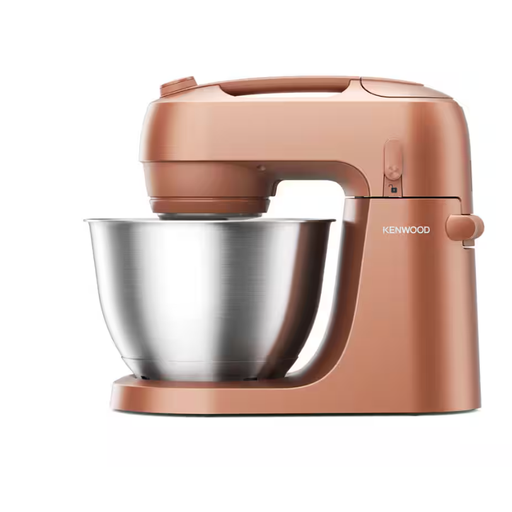
Kenwood Go stand mixer, Red Clay
Consider this Go variant if shortbread is an occasional task and storage space matters. Check its supplied beater and quantity guidance against your recipe, and confirm the plug and fuse details for UK use.
View on Joybuy
 No image available
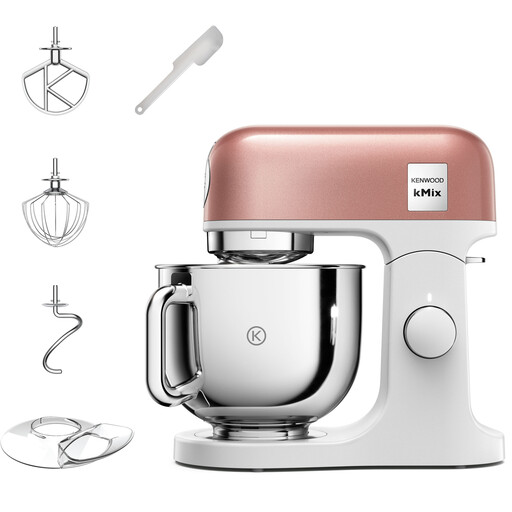
Kenwood kMix Editions KMX760API, Apricot Pink
Consider the KMX760API if you want a mixer for shortbread and other baking, provided its beater and settings suit your recipes. Check the smallest quantity you intend to mix and whether its stated 9.1kg weight works for your storage plans.
View on Joybuy
 No image available
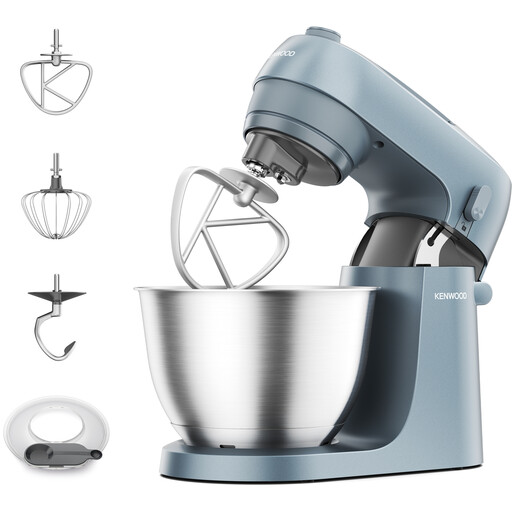
Kenwood Go KZM35.000GY stand mixer
Consider this compact Go variant if you make small batches and need to put the mixer away between uses. Check the beater and minimum quantity guidance for KZM35.000GY; its listing calls the colour blue in the title and grey in the description, so confirm the variant before ordering.
View on Joybuy
 No image available
Kenwood Prospero+ KHC29.A0SI, 4.3L, Silver
Consider this model if you want to use one mixer for shortbread and other baking. Its title specifies a 4.3L bowl, 1000W rating and three bowl tools; check which tool suits your shortbread recipe and whether your smallest batch meets the model’s guidance.
View on Joybuy
 No image available
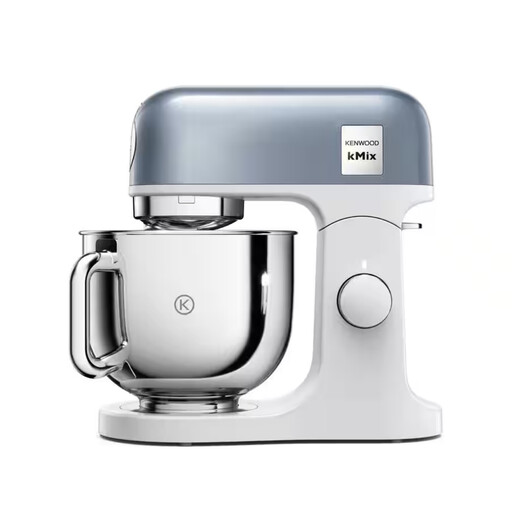
Kenwood kMix Editions stand mixer, Blue
Consider this kMix if you expect to bake beyond occasional shortbread, while checking its beater and quantity guidance for small batches. Its stated 9.1kg weight matters if you plan to move it in and out of storage.
View on Joybuy
Shortbread mixer questions
Which attachment should I use for shortbread dough?
Use a flat beater where your mixer’s instructions and recipe call for one. KitchenAid UK’s three-ingredient shortbread recipe creams butter with a flat beater, then adds flour at speed 2 only until the dough forms; use the permitted attachment and settings for your own machine.
Is a 3.3L or 4L mixer suitable for a small batch?
Either size can be worth considering, but its stated capacity is a maximum, not a guaranteed minimum workable batch. KitchenAid UK lists a 0.7kg maximum flour quantity for the 3.3L 5KSM3311X, while Kenwood GB lists 0.5kg flour for pastry for the 4L Go KZM35.000GR; check guidance for your exact model and recipe quantity.
Do I need a large mixer just for shortbread?
A large mixer is not necessary solely because you make a small shortbread batch. Its greater capacity becomes more relevant if you also expect regular larger batches or other demanding baking tasks; check the model’s guidance for your small recipe rather than assuming its maximum capacity settles the question.
What should I check before using a mixer in the UK?
Confirm the appliance has a suitable UK 3-pin plug and fuse, and follow its operating and cleaning instructions. Electrical Safety First also advises checking the plug and cable for damage, keeping the appliance away from the sink edge and unplugging it before cleaning.


