Choose the mouse around the task that matters most: a well-fitting vertical shape is worth considering for long planning sessions, while a conventional multi-device mouse may suit frequent moves between computers. Neither shape fixes an awkward standing workstation; keep the mouse close and in line with your elbow, then check hand fit and connection requirements before buying.
Who is this for?
Standing-desk planners focused on reach and fit
If spreadsheets, registration lists and messages keep you at the desk for extended periods, mouse placement matters as well as shape. The Health and Safety Executive advises keeping the mouse in line with your elbow; a vertical grip is a separate choice to assess for hand fit.
Coordinators using several computers
If you move between a laptop and shared planning PCs, check how the mouse pairs and switches devices. Microsoft says its Bluetooth Ergonomic Mouse can pair with up to three PCs, provided its connection requirements are met.
Small-hand or left-handed mouse buyers
Size and handedness may rule out a mouse before extra controls matter. Logitech describes Lift as suited to small-to-medium hands and offers a distinct left-handed version; check the exact variant rather than assuming the shape is interchangeable.
What matters when choosing?
Vertical ergonomic mouse
Consider it when: A vertical grip appeals to you for longer planning sessions and the particular mouse fits your hand.
Trade-off: Shape alone cannot compensate for reaching across the desk. Logitech offers different hand-size and handedness options within its vertical range, so check the exact model.
Conventional multi-device mouse
Consider it when: Switching between compatible planning computers matters more to you than a vertical grip.
Trade-off: Pairing and custom controls can depend on the computer and software. Microsoft specifies Bluetooth 4.0 or later for its Bluetooth Ergonomic Mouse and requires its control software for full customisation.
For community-event planning at a standing desk, decide which need comes first, then check the exact mouse and workstation against it.
| Concern |
What to check |
Who this matters to |
| Comfort and reach |
Check hand size and handedness, then place the mouse close to your elbow. The Health and Safety Executive advises keeping the mouse in line with the elbow. |
For long stretches of spreadsheet and registration work, I want a grip that fits without reaching across the desk; around 33% of consumers would put comfort and reach first. |
| Device switching |
Check pairing limits, connection types and software requirements on every computer you plan to use. |
Moving between my laptop and a shared planning PC makes straightforward switching my priority; roughly 27% of consumers would make device workflow their main concern. |
| Quiet operation |
Look for a quiet-click claim for the exact model, without treating it as a measure of hand fit. |
When I work beside volunteers or take calls in a shared room, click noise is the distraction I most want to reduce; about 20% of consumers would prioritise quieter use. |
| Compact setup |
Compare the mouse’s dimensions, connection method and power requirements with what you intend to carry. |
Taking my kit between planning locations makes a manageable mouse and wireless setup more important to me; around 20% of consumers would put portability first. |
Buying pitfalls
-
Assuming every vertical mouse fits the same hand
A vertical angle does not settle size or handedness. Logitech describes Lift for small-to-medium hands and offers a separate left-handed version.
Check the exact model’s fit guidance and the seller’s return terms before choosing a grip you have not used.
-
Trying to fix desk layout with a different mouse
Reaching for the mouse can remain awkward whatever its shape. The Health and Safety Executive advises positioning it in line with your elbow.
Arrange desk height, keyboard and screen position before deciding whether a different mouse is needed.
-
Assuming multi-device controls work on every computer
Pairing and customisation can have different requirements. Microsoft specifies Bluetooth 4.0 or later for its Bluetooth Ergonomic Mouse and its Mouse and Keyboard Center for full customisation.
Check each planning computer’s connection and operating-system support, as well as the functions you expect to use.
-
Treating a comfort claim as a personal outcome
A manufacturer’s description of an ergonomic shape cannot tell you whether that mouse will feel comfortable in your hand or suit your desk layout.
Assess fit and workstation position together. If regular display-screen work causes discomfort, seek an appropriate workplace assessment rather than relying on a product claim.
Relevant brands to consider
Logitech
Its vertical-mouse range offers distinct fit choices, including Lift and the right-handed MX Vertical.
- Logitech specifies a 57° vertical form for both models, describes Lift for small-to-medium hands and offers a Lift Left version.
- Check the variant and your hand fit: the MX Vertical product page identifies that model as right-handed. A stated grip angle does not establish an individual comfort outcome.
Microsoft
Its Bluetooth Ergonomic Mouse is a conventional-shape option for people prioritising several PCs.
- Microsoft documents pairing with up to three PCs and two customisable thumb buttons.
- The model requires Bluetooth 4.0 or later, is designed to work best with Windows 11 or Windows 10, and needs Microsoft Mouse and Keyboard Center for full customisation.
DELUX
Its M618MINI provides a compact vertical-mouse model to compare by size and connection method.
- DELUX lists the M618MINI at 103 × 89 × 69 mm and 113 g, with Bluetooth and 2.4G RF connectivity.
- Before choosing a particular offer, check the seller, applicable support and whether the model’s shape fits your hand.
Joybuy mouse options
These options cover vertical-grip choices alongside mice listed for quiet work, device switching or a portable setup. Choose by the need that matters most at your standing desk; confirm fit and the exact connection method before ordering.
 No image available
RAPOO MT760L-LG Mouse
Consider this model if a vertical grip and moving between planning devices are priorities. Check its hand fit before choosing it for longer sessions.
View on Joybuy
 No image available
HOFOTEK M311 2.4G+BT Silent Mouse, White-Grey
Consider it when quiet clicks and wireless connection choices matter in a shared planning space. The title specifies 2.4G and Bluetooth connectivity and a 1×AA battery; check the shape against your hand rather than assuming a vertical grip.
View on Joybuy
 No image available
HP 920 Ergonomic Wireless Mouse, Black, with Detachable Wrist Rest
Consider this model if you want to assess a vertical-grip mouse with a removable wrist-rest option for desk work. Its detachable wrist rest is specified in the product title; check hand fit and desk placement separately.
View on Joybuy
 No image available
V7 MW500BT Bluetooth Vertical Mouse
Consider it if a vertical form and a choice of wireless modes suit your planning setup. The product title specifies Bluetooth, 2.4GHz, six buttons and an adjustable 1600 DPI sensor; compare its shape with your hand before buying.
View on Joybuy
 No image available
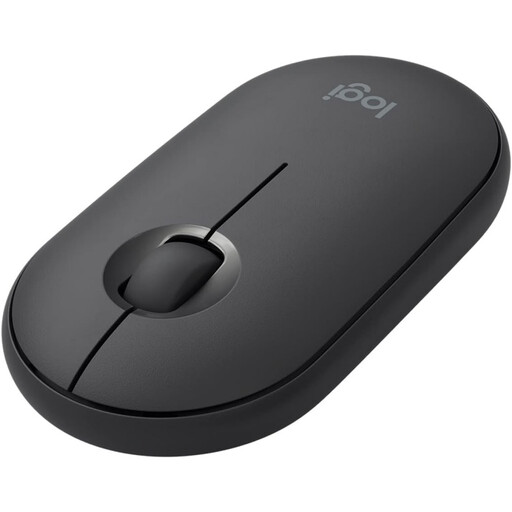
Logitech Pebble Mouse, Black
Consider this slim mouse if quiet clicks and carrying it between planning locations matter more than a vertical grip. Confirm whether this exact variant connects by Bluetooth or a USB receiver before buying.
View on Joybuy
Common questions
Do I need a vertical mouse for a standing desk?
No: choose a vertical mouse only if its size, handedness and grip suit you. The Health and Safety Executive advises keeping any mouse in line with your elbow, so workstation placement still matters.
What should I change if I plan events on a laptop?
For prolonged laptop use, consider a separate keyboard and mouse so you can position the screen and input devices independently. Check the screen height and keep the mouse within comfortable reach at your standing desk.
Can Microsoft Bluetooth Ergonomic Mouse work across several planning PCs?
Microsoft says it can pair with up to three PCs. Each PC needs Bluetooth 4.0 or later; Microsoft also says full customisation requires Mouse and Keyboard Center and that the mouse works best with Windows 11 or Windows 10.
When does a workplace display-screen assessment matter?
For employees who use display-screen equipment daily as part of normal work, continuously for an hour or more, the Health and Safety Executive says the employer must assess the workstation. That threshold concerns work use rather than every occasional community-event planning session; the mouse-placement advice remains useful when arranging a desk.


