Occasional baker with limited storage
If you make savoury scones and other bakes occasionally, consider whether a mixer is easy to store and retrieve as well as whether its bowl suits your usual batch.


Choose a stand mixer with a supplied mixing beater or paddle, controllable low speeds and a bowl that suits the batches you actually make. Mix savoury scone ingredients briefly, then finish bringing the dough together by hand: Nigella Lawson cautions that too much kneading can prevent scones from rising well. A larger machine makes more sense if scones are only one part of your regular baking, not because it lets you mix scone dough for longer.
If you make savoury scones and other bakes occasionally, consider whether a mixer is easy to store and retrieve as well as whether its bowl suits your usual batch.
If scones sit alongside cakes, biscuits or bread in your routine, a larger bowl and tools for those other tasks may matter more than a compact footprint.
If avoiding excessive handling is your priority, look for a beater and controllable gentle mixing, and be prepared to stop the machine early. Nigella Lawson advises against kneading scone dough too much.
Start with control over a short mix; then choose capacity and storage practicality around the other baking you do.
| Concern | What to check | Who this matters to |
|---|---|---|
| Avoiding overmixing | Look for a supplied beater or paddle and controllable low-speed mixing; leave yourself room to stop and finish by hand. | If I care most about scones rising well, I want to combine the dough without continuing into a bread-style knead. Around 42% of consumers would put that need first. |
| Batch size and other baking | Compare the bowl size, included tools and the exact model’s stated ingredient limits rather than relying on bowl litres alone. | When I bake for a household or make other doughs too, I need the machine to fit those regular batches. Around 33% of consumers would make capacity and wider baking their primary concern. |
| Practical storage | Check the appliance’s dimensions and the space needed to store its bowl and tools. | With little cupboard space and only occasional bakes, I need a mixer I can put away and bring out easily. Around 25% of consumers would prioritise that practicality. |
A dough hook and a powerful motor can make prolonged kneading tempting, but Nigella Lawson warns that too much kneading can stop scones rising well.
Choose a suitable beater or paddle for brief combining, then stop and bring the dough together by hand.
Bowl volume does not tell you how much flour or dough a particular model can handle. KitchenAid publishes ingredient limits by model group rather than treating bowl size as the limit.
Check the manufacturer’s capacity guidance for the exact mixer and the batches you intend to make.
Bosch’s advice to consider more power for heavier doughs concerns bread-style mixing; it does not change the need to handle scone dough briefly.
Consider a heavier-duty machine if you also make larger bread or pizza batches. Otherwise, give more weight to storage, the supplied beater and mixing control.
The Prospero+ and Chef Baker lines illustrate a choice between compact storage and features for broader baking.
The Artisan 5KSM125 is a reference point if you want a 4.7L tilt-head mixer with a supplied paddle, hook and whisk.
The Series 2 MUMS2VM40G provides another tool-and-speed configuration to compare with your wider baking needs.
These Joybuy choices include compact mixers for occasional baking and larger-bowl options for people who also make other recipes. For savoury scones, check the supplied mixing tool and stop mixing before the dough is overworked.
 No image available
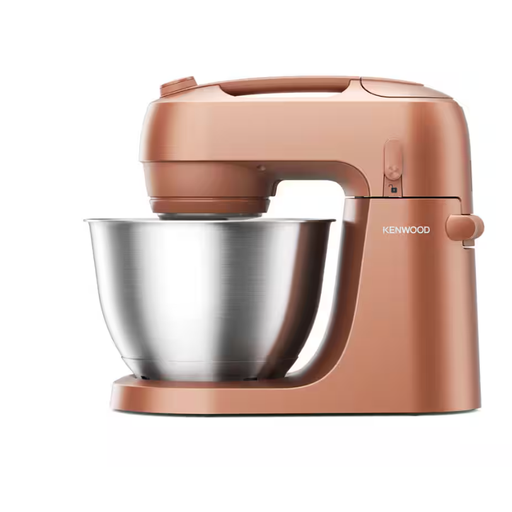
Consider this compact option if storage matters and you want a beater for briefly combining scone ingredients before finishing by hand.
The product name specifies a 4.3L bowl, 1000W rating and three bowl tools; the Joybuy listing identifies a mixing beater and five speeds plus pulse.
Check plug suitability and product documentation before buying.
 No image available
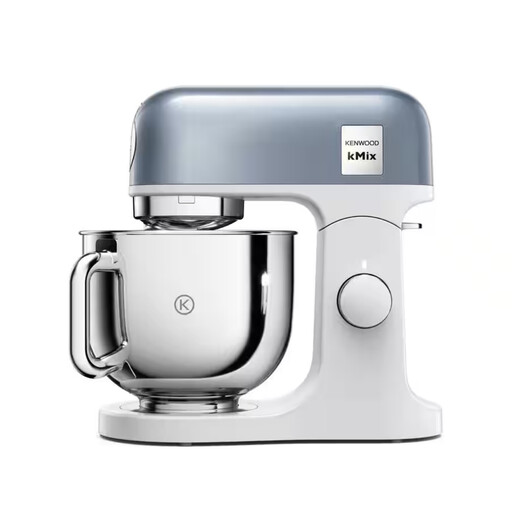
Consider this model if finding storage space is central to the decision, while keeping scone mixing brief and finishing the dough by hand.
Check its dimensions, included beater and model-specific ingredient limits against your cupboard and usual batches.
Confirm plug suitability and product documentation before buying.
 No image available
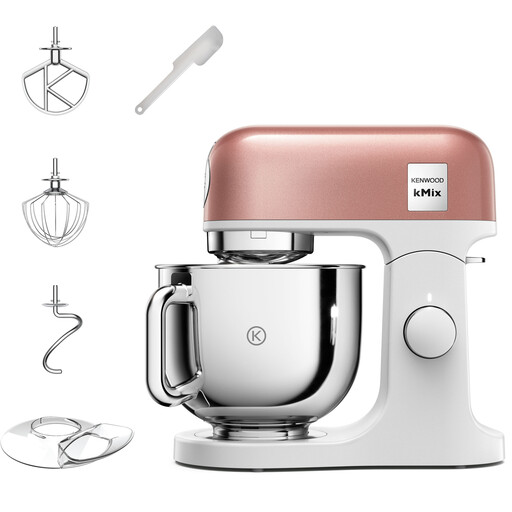
Consider this option if you make scones alongside other bakes and want to compare its tools and capacity with your regular recipes.
Confirm the supplied bowl material and the exact model’s ingredient limits before deciding. Whatever mixing function you use, stop early with scone dough.
 No image available
Consider this variant if you want a mixer for regular baking beyond scones, provided its tools and capacity fit the recipes you make.
Check the exact model’s gentle-mixing settings and ingredient limits before use; bring scone dough together by hand after a brief machine mix.
 No image available
Consider the larger bowl if you also plan varied or larger batches; its size is not a reason to knead scone dough longer.
The product name lists a beater, whisk and dough hook. Check the exact model’s ingredient limits, gentle-mixing settings, UK mains and plug suitability, and product documentation before buying.
A dough hook need not be your default tool for savoury scones. Use a suitable beater or paddle for a brief mix where appropriate, then bring the dough together by hand; Nigella Lawson warns that excessive kneading can prevent scones from rising well.
Choose a bowl around your usual batches and the other baking you do, rather than picking by litres alone. Check the exact model’s ingredient limits: KitchenAid UK, for example, publishes flour limits for its Artisan model group, but those figures are not scone-specific batch recommendations.
A supplied mixing beater or paddle and controllable speeds are the starting points for brief combining. A dough hook is more relevant if you also make bread or pizza dough, while the included tool set should be checked for the exact model.
Follow the care instructions for the exact bowl and attachments supplied with your mixer. Materials and cleaning directions can differ between models and tools, so check the manual before putting them in a dishwasher.
Check that the exact mixer and plug are suitable for the mains supply where you will use them, and retain its model and safety documentation. For Great Britain, the Office for Product Safety and Standards’ guidance on the Electrical Equipment (Safety) Regulations 2016 says recognition of certain goods meeting EU requirements, including CE marking, continues indefinitely; Northern Ireland has different arrangements. A marketplace listing alone is not proof that a particular mixer meets applicable requirements.