
24/7 Customer Support

Free returns

Same-day & Next-day Delivery

Quality Guaranteed

Unlock Your Welcome Offers: FREE Delivery | Up to 80% OFF | Free 30-day JoyPlus trial
Download the APP
By the Joybuy Product Recommendation Officer
A stand mixer can make cakes, meringues, pastry and bread dough easier to prepare, but the wrong model may occupy valuable worktop space without handling the recipes you actually make. UK shoppers often compare wattage, bowl size and the number of speed settings first. These figures matter, but they do not tell the whole story.
Before choosing an electric stand mixer, look beyond the headline specifications. A suitable food mixer should match your batch sizes, storage space, preferred recipes and cleaning routine.
A high wattage figure does not automatically indicate that a kitchen mixer will knead heavy dough effectively. Manufacturers may display peak power rather than rated or continuous power, making direct comparisons difficult.
Check the rated power, motor protection, recommended dough capacity and the manufacturer’s usage instructions. A model intended for occasional cakes may not be appropriate for repeated batches of stiff bread dough, even if its advertised peak figure appears high.
A 5L stand mixer does not necessarily allow you to fill the bowl with 5 litres of ingredients. Flour expands, dough moves around the bowl and whisked mixtures need room to increase in volume. Some manufacturers specify a recommended working capacity below the bowl’s maximum volume.
For example, the Monsga SM100 is described with a 6L maximum bowl capacity and a recommended usable capacity of 5L. This distinction is useful when comparing a stand mixer with bowl for family baking.
A large metal baking mixer can be stable during kneading but difficult to lift into a cupboard. A compact model may be easier to store, yet offer a smaller bowl or fewer optional attachments.
Also check whether the bowl and tools are dishwasher-safe, whether the head tilts or lifts and whether a splashguard is included. These practical details affect how often you will use the appliance after the initial purchase.
For general cakes, biscuits and whipped cream, variable speed control and the correct attachment are often more relevant than wattage alone. For a bread dough mixer, look for:
A 1,000W model may suit a broad range of household tasks, but always follow the stated capacity and recommended operating time. Heavy mixtures can warm the motor, so pauses may be necessary.
A stainless-steel bowl is durable, resistant to odours and generally straightforward to clean. A glass bowl can make ingredients visible from the side, but it may be heavier and should be handled carefully.
For many UK households, a 4L to 5L bowl offers a practical balance for cakes, biscuits and moderate bread batches. If you regularly prepare large quantities, compare the manufacturer’s usable capacity rather than relying only on the number printed in the product title.
A planetary stand mixer rotates the attachment around the bowl while the tool also spins, helping it reach more of the mixture. It is useful for creaming butter, mixing cake batter and kneading.
The standard tool set usually includes:
A tilt-head stand mixer gives easier access to the bowl and tools. A fold function or soft-start control can help incorporate delicate ingredients and reduce flour splashing. Optional attachment hubs may also support pasta rollers, mincers, slicers or juicers, but check availability and additional costs before treating this as a deciding feature.
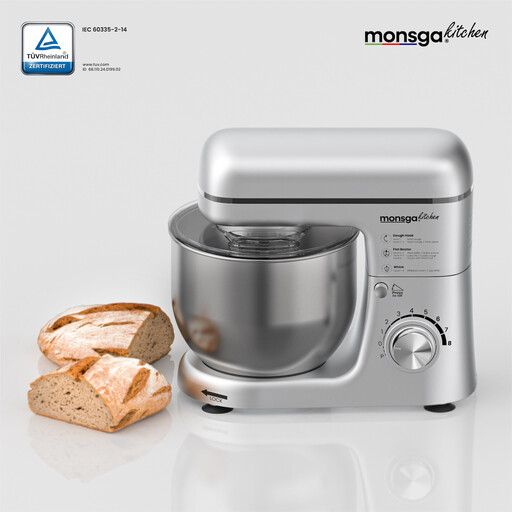
Why This Fits Their Persona: A practical option for new home bakers who want a 5L food mixer with core tools for cakes, biscuits, cream and occasional dough.
The listing separates its 6L maximum capacity from the recommended 5L usable capacity, helping shoppers plan realistic batch sizes.
Eight speed settings, tilt-head access, splashguard and dishwasher-safe accessories are listed.

Why This Fits Their Persona: Suitable for frequent bakers who value integrated weighing, a metal body and a wider range of kitchen functions.
Its stated maximum capacities include 2kg cake mix and 1.3kg dough, giving clearer guidance than bowl size alone.
The 4.6L bowl, in-built EasyWeigh scales, fold and pulse functions and compatibility with over 25 optional attachments are specified.
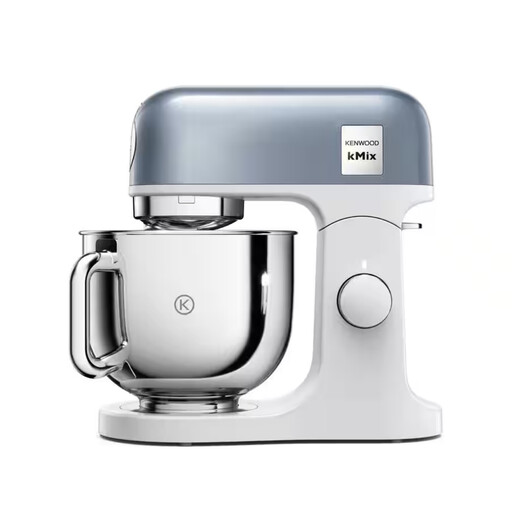
Why This Fits Their Persona: A 5L kitchen mixer for households preparing family-sized cakes, enriched dough, meringue and other regular baking recipes.
The specification lists six speeds plus a fold function, planetary mixing action and a soft-start feature rather than relying on motor power alone.
It includes a K-beater, dough hook, whisk, splashguard and a slow-speed outlet for optional attachments.
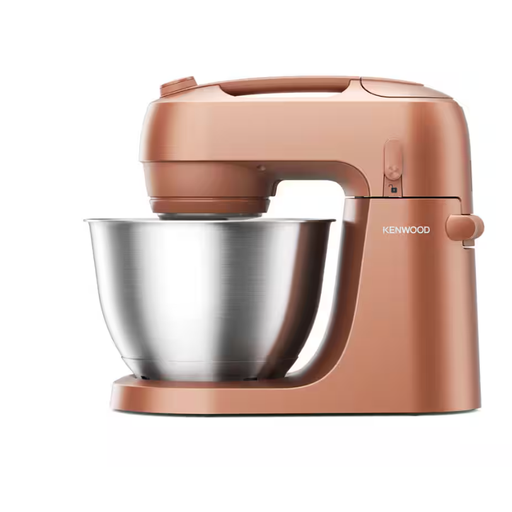
Why This Fits Their Persona: Designed for UK kitchens where cupboard storage and worktop footprint are important considerations.
Its stated height is 30cm, making the storage requirement easier to assess before ordering.
The 4L stainless-steel bowl, 800W motor, six speeds, pulse function and integrated carry handle are listed.
We have compiled a complete, real-time list of products that fully satisfy these strict selection criteria and UK safety regulations.
Place the stand mixer on a stable, level and dry surface, away from the edge of the worktop. Use only the supplied or approved attachments and ensure the bowl and tool are locked into position before switching on.
Always switch off and unplug the appliance before changing tools, removing the bowl or cleaning. Keep hands, hair, clothing and utensils away from moving parts. Wipe the motor housing with a damp cloth rather than immersing it in water. Dishwasher claims vary by model, so follow the manual for the bowl and each attachment.
Avoid exceeding the stated dough capacity. If the motor becomes hot or the appliance activates overload protection, stop using it and allow it to cool according to the manufacturer’s instructions.
It can be useful if you regularly make buttercream, whipped mixtures or dough and want hands-free mixing. For occasional small batches, compare the appliance’s minimum workable quantity, storage dimensions and cleaning requirements before paying for a larger model.
A 4L to 5L stand mixer is suitable for many family recipes, but usable capacity varies. Check the stated limits for cake mix, flour, dough and egg whites rather than judging capacity by bowl volume alone.
Running cost depends on the appliance’s rated power and how long it operates. You can estimate energy use by multiplying the kilowatt rating by operating hours, then multiplying by your electricity tariff. Lower speeds and shorter mixing times may use less energy, but recipe instructions and safe operation should take priority.