Occasional meringue makers with limited space
You need a mixer you can store between uses, with enough room to fit it under cupboards or on a shelf and a whisk suited to your usual batch.


Choose a stand mixer with a supplied whisk and a stated egg-white capacity that suits your usual batch; if you put it away after each use, check its dimensions and weight as carefully as its bowl size. A larger machine or an automatic programme makes more sense when you will use the extra capacity or features regularly, provided it fits the shared workspace. Before buying, check overhead clearance, how the whisk must be washed and where you can plug the mixer in safely.
You need a mixer you can store between uses, with enough room to fit it under cupboards or on a shelf and a whisk suited to your usual batch.
You use the mixer for egg whites alongside other baking and want straightforward access to the bowl and clear washing instructions for each tool.
You care more about stated egg-white capacity or a more hands-off whipping routine than about choosing the smallest machine to store.
Start with the space available and the number of egg whites you normally use. Then decide how much shared washing-up and setup you are willing to take on.
| Concern | What to check | Who this matters to |
|---|---|---|
| Fit and storage | Measure the machine, its storage spot and clearance above the head or attachments; check its weight and access to a dry socket. | If I have to clear a shared counter after baking, I need to know I can lift and store the mixer without blocking someone else's space. Around 33% of consumers put fit and storage first. |
| Egg-white batches | Check the exact model's stated maximum egg-white capacity and whether a whisk comes with it; bowl litres alone are not enough. | When I make a larger meringue batch, I want the stated egg-white limit to cover what I usually prepare. For around 27% of consumers, batch capacity is the primary concern. |
| Cleaning and handover | Read the care instructions separately for the whisk, bowl and other tools; do not assume every part is dishwasher-safe. | If another person needs the kitchen soon afterwards, I want to know how much washing and putting away my session will involve. Cleaning comes first for around 20% of consumers. |
| Other baking tasks | Decide whether you will use features such as integrated scales or an egg-white programme, and confirm them on the exact model. | I would make room for a broader-purpose mixer if I regularly bake beyond egg whites or want less intervention while whipping. Around 20% of consumers prioritise that wider use. |
Two bowls with similar volumes need not have the same stated egg-white limit. Manufacturers give capacity figures for particular mixer models.
Compare the exact model's egg-white maximum with your usual batch, and check that its supplied tools include a whisk.
A mixer may fit on a shared counter yet leave too little room to raise its head or connect an attachment. Bosch Home UK advises allowing space above machines where attachments connect; KitchenAid UK describes bowl-lift models as generally taller and bigger than its tilt-head models.
Measure the counter, the space under cupboards and the place where you will store the mixer. Check that its lead can reach a suitable socket.
Care instructions can differ even among tools supplied with one mixer. KitchenAid UK says the whisk supplied with its Classic 5K45SS should be washed in warm soapy water, although its bowl, paddle and dough hook can go in the dishwasher.
Check the manual for the exact whisk and other parts before agreeing a shared washing-up routine.
Electrical Safety First advises checking leads and appliances before use, avoiding wet hands around electrical equipment and not overloading socket outlets.
Choose an accessible, dry socket, inspect the mixer and lead before use, and avoid plugging it into an already overloaded outlet.
These ranges illustrate different size and access choices; compare specifications and care instructions for the particular model you are considering.
The Go range is worth examining if you need to put a stand mixer away between uses.
Its tilt-head and bowl-lift ranges offer different approaches to bowl access and capacity.
The Series ranges give you different dimensions to assess, while selected models add features for other baking tasks.
These models offer choices for whipping egg whites alongside shared-kitchen storage and cleaning considerations. Compare each model's tools, stated batch capacity and care instructions before choosing.
 No image available
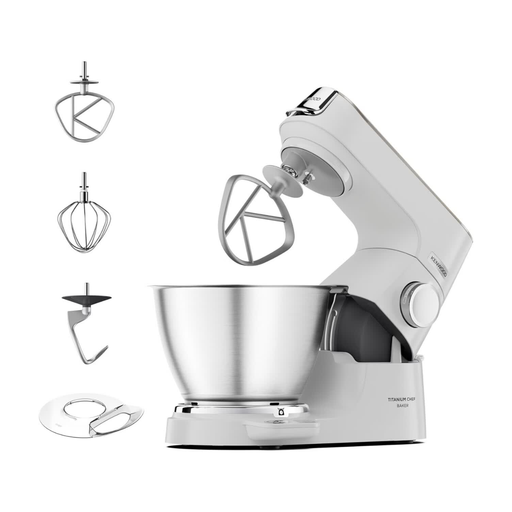
Consider this model if you want to prepare egg whites alongside other baking tasks. Check its stated egg-white limit, supplied whisk and head clearance against your usual routine, and confirm the care instructions for each tool before sharing washing-up duties.
 No image available
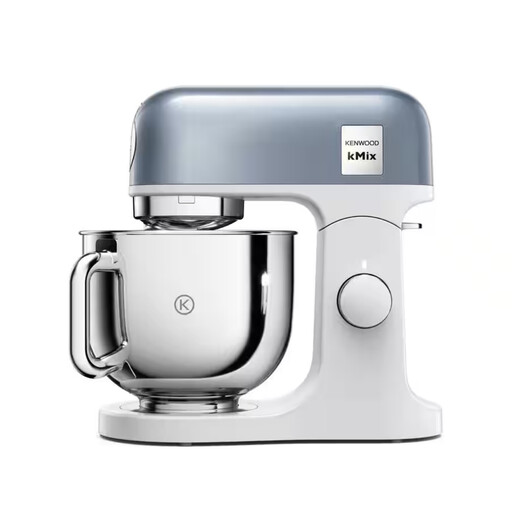
If you will use the mixer for egg whites and other baking, compare its stated batch limit and included tools with those tasks. Measure where it will stand and be stored, including room above the head.
 No image available
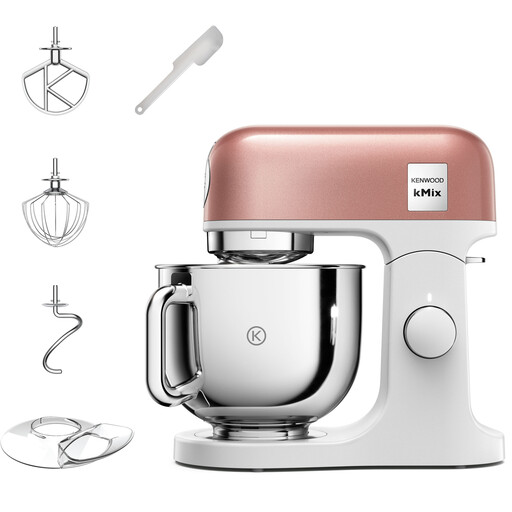
Worth considering when the mixer needs a practical storage spot between sessions. Its title specifies a 4.3 L bowl, 1000 W and three bowl tools; check the stated egg-white capacity and confirm which tools come with this variant before choosing it for your usual batch.
 No image available
Compare this variant's stated egg-white limit with the batches you make most often. If several people will use it, also check the space needed for access and the washing instructions for its whisk and other supplied tools.
 No image available
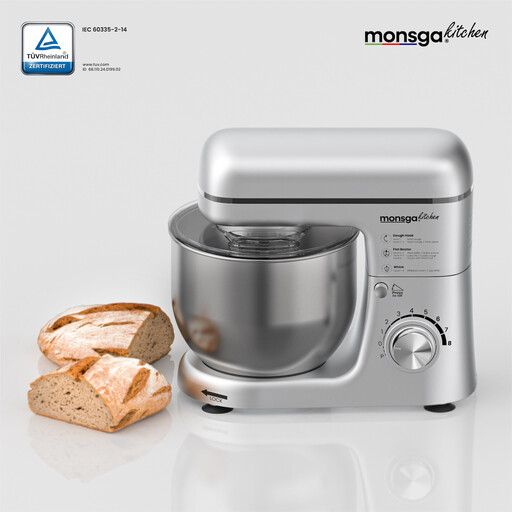
This model's title specifies eight speed settings, a whisk and a splash guard. Before choosing it for egg whites in a shared kitchen, confirm its stated batch capacity, the appliance's own dimensions and the care instructions for the supplied parts.
Use the exact mixer's stated egg-white capacity rather than choosing by bowl litres alone. KitchenAid UK lists maximums of 8 egg whites for specified 3.3 L tilt-head models and 19 for specified 6.9 L bowl-lift models; Kenwood GB lists up to 8 for the Go KZM35.000GR. Compare the relevant model's maximum with your usual batch.
A tilt-head model is worth considering when access to the bowl and available height under cupboards matter most; consider a bowl-lift model when you will regularly use its larger capacity or tackle heavier mixing tasks. KitchenAid UK describes its bowl-lift machines as generally taller and bigger, so measure the intended position and check how you will remove the bowl.
Check the care instructions for the exact whisk before putting it in the dishwasher. KitchenAid UK says the Classic 5K45SS whisk should be washed in warm soapy water, even though its bowl, paddle and dough hook can go in the dishwasher; instructions for another model may differ.
Use an accessible, dry socket and check the appliance and lead before switching it on. Electrical Safety First also advises against touching electrical equipment with wet hands or overloading socket outlets; follow the instructions for your particular mixer.