What matters when choosing?
Start with your recipe’s quantity, then check the mixer’s full dimensions and weight; consider extra functions only if they earn their storage space.
| Concern |
What to check |
Who this matters to |
| Worktop and storage fit |
Measure width, depth, height and operating clearance at the intended spot; check the appliance’s weight if it will be stored away. |
If I have to retrieve the mixer for each batch, it needs to fit the cupboard and be manageable to move. Around 42% of consumers put space and storage first. |
| Dough-batch capacity |
Compare your recipe with the exact model’s stated flour or dough limit, keeping those measures distinct; check for a supplied dough tool. |
When I make a larger batch, I need to know that the full recipe falls within the mixer’s stated limit. For roughly 33% of consumers, batch capacity is the primary concern. |
| Use beyond dough |
Check which tools come with the chosen variant and whether desired attachments fit it and have somewhere to be stored. |
If one appliance must cover other kitchen tasks too, I want tools I will use without filling another cupboard. Multi-use value comes first for about 25% of consumers. |
Joybuy stand mixers for this task
These Kenwood stand mixers are relevant to cinnamon bun dough and small-kitchen storage, but their bowl sizes and model details differ. Check each exact model’s dough guidance against your recipe rather than treating the selection as a single capacity range.
 No image available
Kenwood Prospero+ KHC29.A0SI, silver
Consider this for cinnamon bun dough if its dough guidance suits your usual recipe and you can accommodate it where you plan to mix and store it.
The product name specifies a 4.3L bowl, 1,000W rating and three bowl tools. Check which accessories come with this exact variant.
View on Joybuy
 No image available
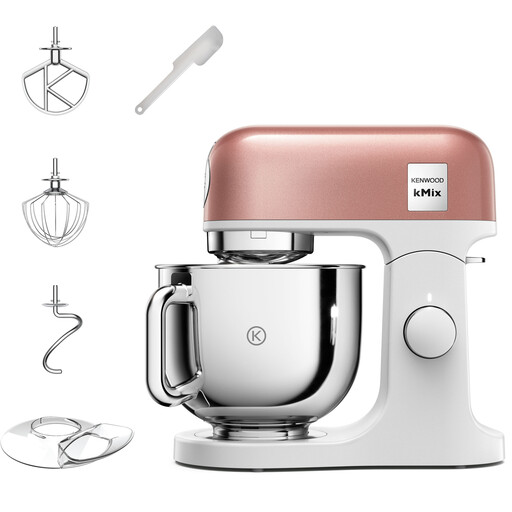
Kenwood kMix Editions KMX760API, Apricot Pink
Consider this model if you want a kMix for dough making and can allow room to use and store a tilt-head mixer.
Check the exact model’s dough guidance against your batch, and confirm its weight and plug details if you intend to move it between uses.
View on Joybuy
 No image available
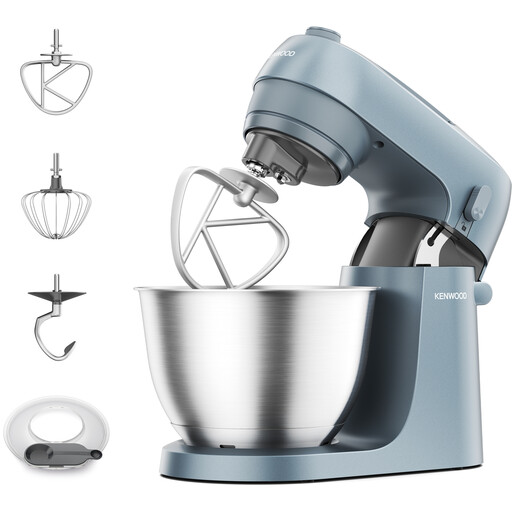
Kenwood Go KZM35.000GY
This is a model to consider when storage space is a priority, provided its dimensions fit your kitchen and its dough guidance covers your recipe.
Confirm the colour before ordering if it matters to you: the product title calls it blue, while other product information describes it as grey.
View on Joybuy
 No image available
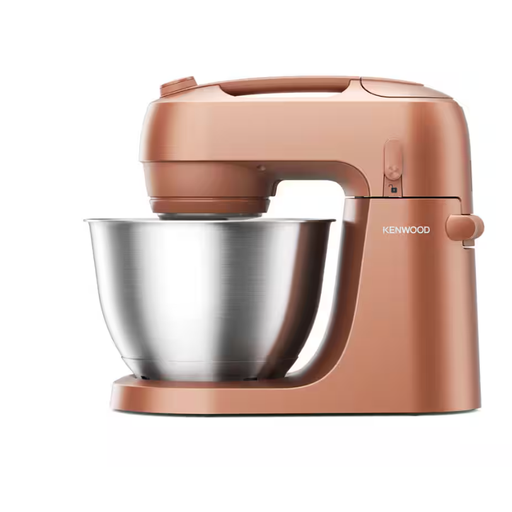
Kenwood Go stand mixer, Red Clay
Consider this for a kitchen where the mixer must be stored between batches, but check that its full footprint and lifting weight work for your setup.
Compare the exact model’s dough limit with your cinnamon bun recipe before choosing it for larger batches.
View on Joybuy
 No image available
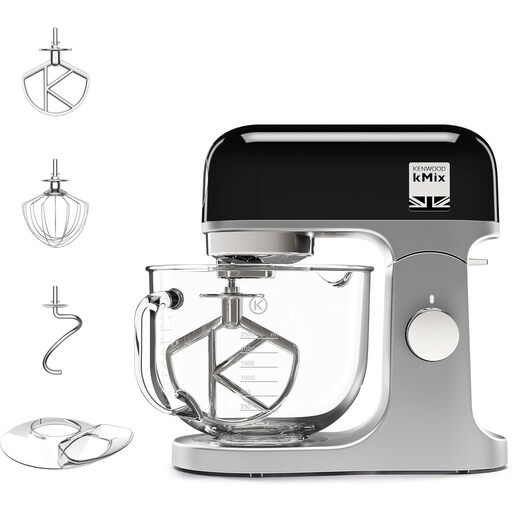
Kenwood kMix KMX754BK, black
Consider this 5L kMix if you have a practical place for it and the exact model’s dough limit accommodates your recipe.
The product name specifies 1,000W and lists a K-beater, whisk and dough hook. Confirm the supplied bowl material, dimensions and weight for this variant before planning its storage.
View on Joybuy
Frequently asked questions
How can I tell whether a mixer will handle my cinnamon bun recipe?
Compare your recipe with the manufacturer’s limit for the exact mixer, using the same measure: flour weight with a flour limit, or finished-dough weight with a dough limit. KitchenAid’s UK chart, for example, gives a 1 kg flour maximum for specified 4.8L Artisan models; that is not interchangeable with a finished-dough figure.
Does a higher wattage mean a better mixer for dough?
Wattage alone cannot establish whether a stand mixer suits your dough quantity or kitchen. Bosch’s MUM58W20GB and Kenwood’s KMX754 are both listed at 1,000W, but their published capacities and dimensions differ; check those model-specific details and the supplied dough tool.
Should a stand mixer sold for use in Great Britain have a UKCA mark?
Do not assume UKCA is the only possible valid marking for every stand mixer sold in Great Britain. GOV.UK explains that conformity requirements depend on the product sector and that certain CE requirements continue to be recognised; check the applicable product information rather than judging by one mark alone.
What should I do if a newly bought mixer is faulty?
Contact the seller promptly and describe the fault, keeping your order details. For a UK consumer purchase from a trader, the Consumer Rights Act 2015 provides statutory remedies for faulty goods, including a short-term right to reject in applicable circumstances and rights concerning repair or replacement; a retailer’s voluntary returns policy is separate from those rights.


