
24/7 Customer Support

Free returns

Same-day & Next-day Delivery

Quality Guaranteed

Unlock Your Welcome Offers: FREE Delivery | Up to 80% OFF | Free 30-day JoyPlus trial
Download the APP
Choosing stationery and art supplies can look simple until you compare paper weights, nib sizes, bindings, materials and refill systems. Attractive packaging may hide products that do not suit your everyday routine, while a low-priced bundle can become poor value if parts break or run out quickly.
The most common buying pitfalls are:
A more reliable approach is to match the product’s specifications with how you will use it.
For mechanical pencils, a 0.5 mm lead is a practical middle ground for school stationery, office stationery, technical notes and detailed sketching. Finer leads may offer more delicate lines but can be more vulnerable to pressure. Check whether the pencil accepts standard replacement leads and whether the mechanism advances lead smoothly.
For gel pens, a 0.5 mm fine point provides controlled writing for planners, bullet journals and compact note pads. If you are left-handed or write quickly, look for quick-drying ink and test it on the intended paper before filling several pages.
Paper weight is measured in GSM, or grams per square metre. 80 GSM is commonly suitable for everyday notes, lists and school stationery. Heavier paper, such as 120 GSM, is more suitable for hand lettering, journaling and using several ink colours. For drawing supplies, 160 GSM paper offers a more substantial surface for graphite, coloured pencils, charcoal and light washes.
However, heavier paper does not automatically mean it is suitable for markers or saturated watercolour. Always check the recommended media and test a spare sheet where possible.
A5 notebooks fit easily into many backpacks and work bags, while A4 sketchbooks provide more space for layouts, illustrations and coursework. A lay-flat binding is useful for bullet journals and double-page spreads. Wire binding makes page turning easier, while a gummed top edge allows sheets to be removed for scanning or display.
For children’s creative stationery, check the recommended age and warnings about small parts. Scratch art kits should be stored flat and dry to reduce curling, and children should use the included stylus as directed.
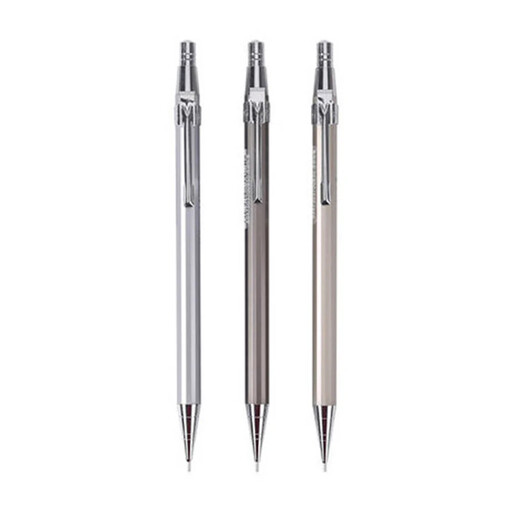
Why This Fits Their Persona: A three-pack gives students and first-time stationery buyers a practical supply for school, revision and everyday office notes.
The 0.5 mm lead size and push-button mechanism are clearly specified, helping avoid buying a decorative pencil with an unsuitable or unclear writing system.
Metal barrel; 0.5 mm black lead; black, white and gold finishes; three pencils included.
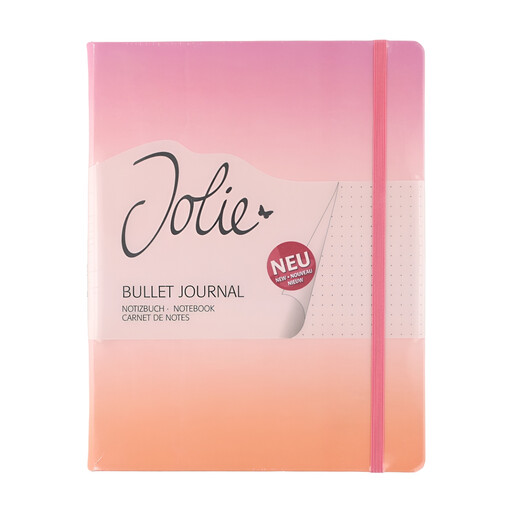
Why This Fits Their Persona: Its firm cover, numbered pages and spacious format suit journal enthusiasts who want a structured notebook for planning and creative writing.
The 180° lay-flat design and 120 g/m² paper are stated clearly, so buyers can assess usability instead of relying only on the cover design.
200 numbered pages; A5+ format; sturdy hardcover; lay-flat binding.
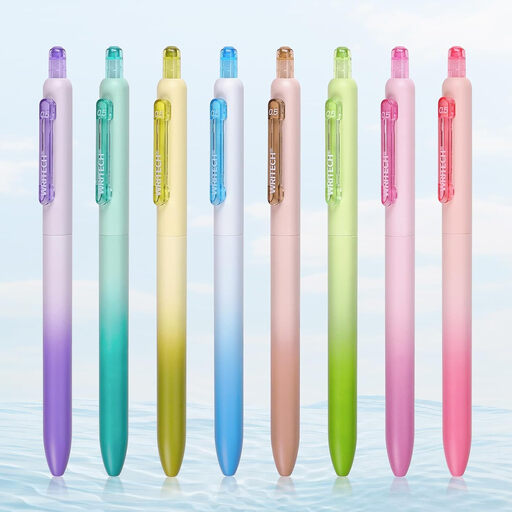
Why This Fits Their Persona: Students, teachers and planners who colour-code information can use eight retractable pens across notes, calendars and bullet journals.
The fine point, retractable closure and quick-dry ink details help address common issues with bulky pens, exposed tips and smearing.
Eight ink colours; 0.5 mm tips; silent click mechanism; ribbed matte barrels.
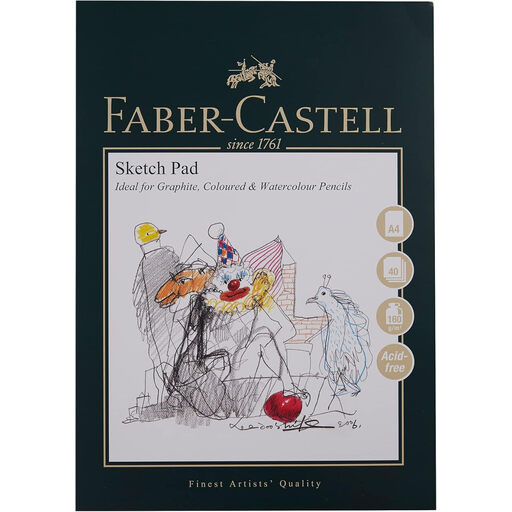
Why This Fits Their Persona: Artists, hobbyists and art students needing a larger surface can use this pad for drawing, illustration, collage and light washes.
The 160 GSM weight and compatible media are specified, making it easier to avoid using ordinary notebook paper for demanding creative work.
40 A4 sheets; acid-free paper; gummed top binding; suitable for graphite, charcoal and coloured pencils.
For everyday organisation, note pads, Post-it notes and structured task planners can make appointments and priorities easier to see. A wire-bound task pad with dedicated sections for to-dos, appointments and additional notes may suit office professionals, teachers and university students.
For children’s activities, scratch art kits offer a relatively contained option because they do not require paint, glue or water. Check the recommended age, small-parts information and whether the pack includes styluses, stencils or gift bags.
If you prefer reducing paper use, a writing tablet or digital notebook may be suitable. Check screen size, storage, file compatibility, battery information, connectivity requirements and whether transcription features require an internet connection. These details are more important than simply choosing a device because it is described as an AI notebook.
Start with a dependable mechanical pencil, spare 0.5 mm leads, pens, an A5 notebook, a ruler and a suitable sketchbook if art lessons are involved. Check your school’s equipment list before buying bundles, as some supplies may be unnecessary or restricted.
80 GSM paper is generally suitable for pencils, ballpoint pens and many everyday writing tasks. If you use gel pens, markers or heavy layering, choose a notebook with thicker paper and test for show-through before committing to a full page layout.
Store paper products in a cool, dry place, keep pen caps or retractable tips closed, and avoid pressing heavily on mechanical pencil leads. For sketchbooks, store them flat or upright without bending the binding. Digital writing tablets should be charged and stored according to the manufacturer’s instructions, away from excessive heat and moisture.