
24/7 Customer Support

Free returns

Same-day & Next-day Delivery

Quality Guaranteed

Unlock Your Welcome Offers: FREE Delivery | Up to 80% OFF | Free 30-day JoyPlus trial
Download the APP
Buying stationery and creative supplies can seem straightforward until a pencil breaks repeatedly, a highlighter dries out in a pencil case or a children’s science kit needs extra materials that were not clearly listed. Parents, students, teachers, artists and hobby crafters all have different requirements, so choosing by colour or price alone can lead to wasted money.
This guide from the Joybuy Product Recommendation Officer focuses on practical specifications, everyday usability and safer purchasing decisions.
A 72-colour set may offer more creative flexibility than a small pack, but only if the pencils are easy to organise, sharpen and carry. Check whether the set includes a protective case and whether the leads are suitable for layering, shading or general colouring. A large collection stored loose in a drawer can quickly become inconvenient.
Mini highlighters and fineliners are useful for pencil cases, handbags and school bags, but compact products may have shorter barrels or smaller ink reserves. Look for practical details such as tip width, cap security, ink type and whether the product is intended for occasional or regular use.
Small stationery components, pencil tips and science kit parts can present choking or handling risks. Always check the stated age guidance and supervision requirements. For example, the Science Mad Early Skills Science Lab is listed for children aged four and over and recommends direct adult supervision. The Around the World excavation kit is listed for ages six and over.
For general writing, HB pencils provide a balanced hardness and darkness. Traditional wooden HB pencils need regular sharpening but are simple to replace. Mechanical pencils avoid sharpening and can be convenient for school, office or study use.
Lead diameter affects both durability and precision:
Highlighters with a chisel tip often provide two line widths for broad marking and fine underlining. Fineliners are generally selected by line width, with 0.4 mm tips suited to detailed writing, rulers, stencils and journalling.
Water-based inks are common in school stationery and creative supplies. They can work well on ordinary paper, but always check for possible show-through or smudging before using them in notebooks, planners or printed documents. Replace caps promptly, even when a product includes an anti-dry-out feature.
For art supplies, consider the casing, lead composition and storage method. A metal tin can protect coloured pencils and make a 72-colour set easier to transport. For crochet supplies, confirm the exact hook sizes included rather than assuming a mixed set covers every project.
For educational toys and STEM activity kits, check:
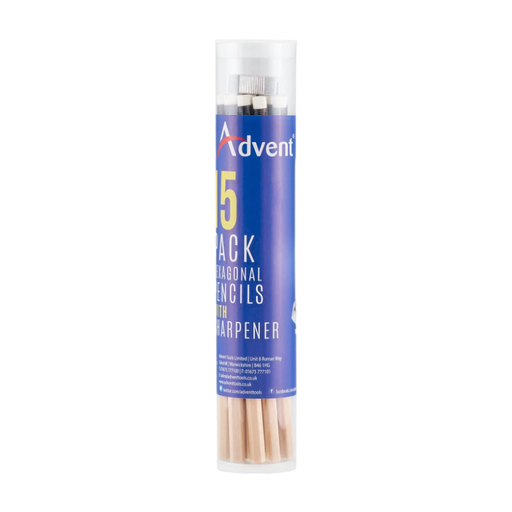
Why This Fits Their Persona: A practical choice for families, classrooms and students who need a basic supply of writing and drawing pencils without buying separate sharpening equipment.
The HB grade and included sharpener make the basic specification clear, avoiding vague claims about an unspecified graphite grade.
15 wooden hexagonal pencils, HB lead and one sharpener; suitable for writing, drawing and sketching.
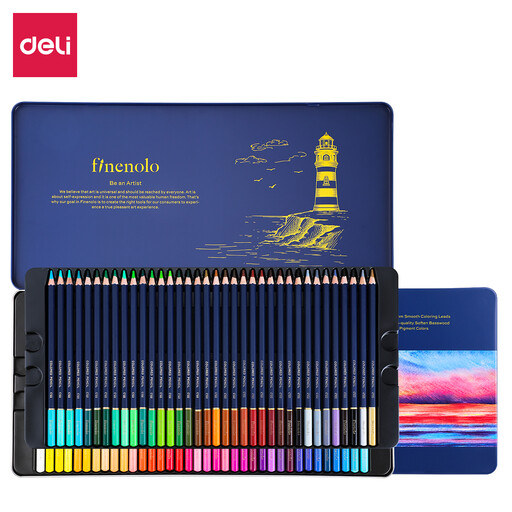
Why This Fits Their Persona: Suitable for artists, adult colouring enthusiasts and students who want a broad palette for home, studio or portable creative work.
The metal tin provides defined storage, while the stated pigment-based cores and 72 colours make the set’s intended creative range clear.
72 colours, metal tin case and leads described as smooth and break-resistant; designed for shading, blending and layering.
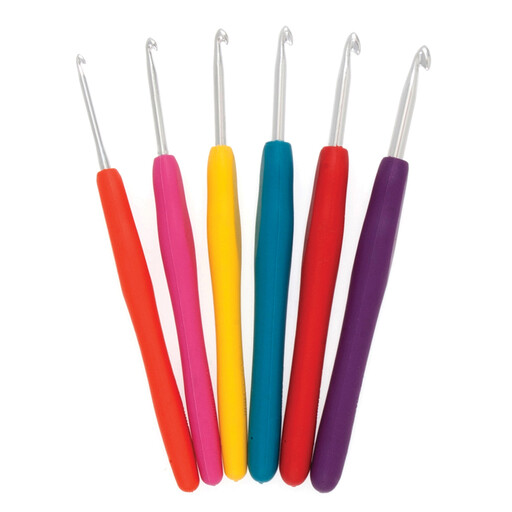
Why This Fits Their Persona: A useful match for hobby crafters working on varied yarn projects, from blankets and garments to toys and home accessories.
The listing specifies all six hook sizes and the 14 cm length, so shoppers can compare coverage with their usual yarn and patterns.
Includes 2.5–5.0 mm sizes, soft-grip handles and polished aluminium tips designed to glide through yarn.
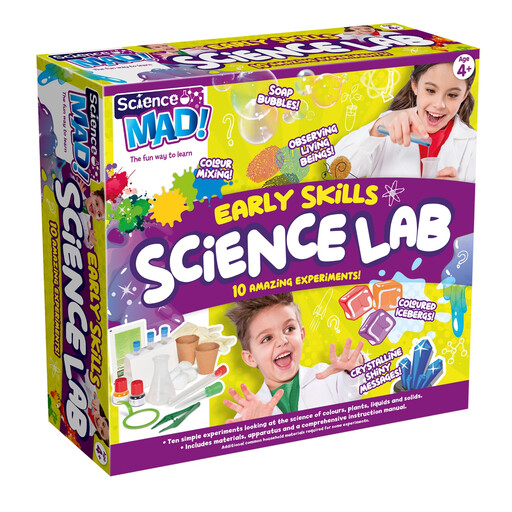
Why This Fits Their Persona: Designed for families seeking a structured, hands-on introduction to science activities at home with an adult present.
The age guidance, direct-supervision warning and included 28-page illustrated manual clarify what families need before starting.
Includes test tubes, flask, pipette and materials for 10 activities; no batteries are required.
We have compiled a complete, real-time list of products that fully satisfy these strict selection criteria and UK safety regulations.
Store pencils and pens away from excessive heat and direct sunlight. Keep highlighter caps firmly closed and avoid pressing fineliners into rough paper. Mechanical pencils should be refilled with the correct lead diameter, while crochet hooks are best kept together in a case to prevent loss.
For children’s science kits, return small tools and components to the original packaging after use. This reduces the chance of missing parts and makes the next activity easier to set up.
A practical school stationery kit usually includes HB pencils, a sharpener, a rubber, coloured pencils, highlighters and fineliners. The correct combination depends on the school’s equipment list, the child’s age and whether the supplies are for writing, art or revision.
The initial cost can be higher for a mechanical pencil, but it does not require repeated sharpening. Running cost depends on refill prices and how often the pencil is used. Wooden HB pencils are simple and economical for classrooms, while mechanical pencils may suit students who prefer consistent line width.
Check the recommended age, small-parts warning, supervision guidance and included components. Also confirm whether household ingredients, batteries or additional tools are required. These details help you compare the true setup cost before purchasing.