
24/7 Customer Support

Free returns

Same-day & Next-day Delivery

Quality Guaranteed

Unlock Your Welcome Offers: FREE Delivery | Up to 80% OFF | Free 30-day JoyPlus trial
Download the APP
Buying stationery supplies can seem straightforward until a notebook starts showing ink through the pages, a pen dries out halfway through a term, or a laptop rucksack proves too small for daily commuting. Whether you are preparing for university, organising office stationery or refreshing a child’s school stationery, the right choice depends on practical specifications rather than attractive packaging alone.
This guide explains what to check before buying, highlights common pitfalls and matches selected products to different users, from budget-conscious starters to professionals who need more structured storage.
A colourful cover can make a notebook appealing, but it does not tell you how comfortable it will be to use. Thin paper may allow darker gel ink to show through, reducing the usable space on the reverse side. For regular writing, check the paper weight, usually shown in gsm. Paper around 80gsm is common for everyday notes, while 100gsm can provide a smoother and more substantial writing surface.
Notebook packs and multi-packs of pens can reduce the cost per item, but only if the format suits your routine. A pack of three A4 project books may be useful for separate modules or projects, while a pack of A5 notebooks may be easier to carry. For pens, check the ink colour, tip size and drying characteristics, rather than focusing only on quantity.
A4 project books are suitable for full-size documents, lesson notes and meeting paperwork, but can be awkward in smaller bags. A5 notebooks are more portable for commuting, journalling and quick note-taking. If you carry a laptop, compare the stated laptop compartment size with your device, rather than relying on a general “large capacity” description.
For commuters, features such as a water-resistant laptop rucksack finish, multiple compartments and a luggage strap can be more useful than decorative details. Water resistance is not the same as waterproofing, so avoid treating a rucksack as suitable for prolonged exposure to heavy rain unless this is specifically stated.
Paper weight is measured in gsm, meaning grams per square metre. An 80gsm page is lightweight and practical for everyday notes, while 100gsm paper may feel smoother and help reduce show-through with some writing instruments. It is still sensible to check a pen on an unimportant page before using it on important documents.
Ruling also affects usability. Lined notebooks with margins help keep written work orderly, while feint ruling can provide structure without appearing too heavy. Page count matters for regular users: a notebook with 160 pages may suit occasional notes, whereas 196 or 250 pages can be more appropriate for ongoing projects.
A product’s dimensions should be considered alongside your existing bag. A notebook that fits a desk drawer may not fit comfortably beside a laptop, charger and lunchbox.
A 0.5mm needle point is suited to small handwriting, forms and detailed notes. A 0.7mm medium point generally creates a broader line that can feel smooth for everyday writing. Gel pens may provide a fluid writing experience, but drying time can vary. Erasable gel pens are useful for drafts and practice work, although corrections may not be suitable for formal records where permanent ink is required.
For children, check product warnings carefully. Small parts can present a choking hazard, and pens should be stored responsibly when not in use.
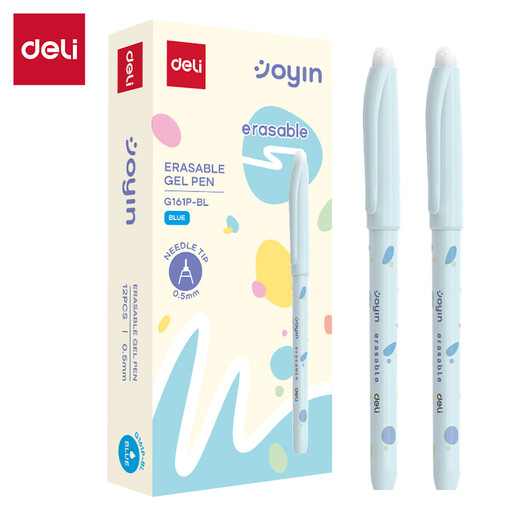
Why This Fits Their Persona: A 12-pack provides a practical supply for schoolwork, revision notes and everyday writing without frequent replacements.
The 0.5mm tip and stated erasable blue ink specification make the intended use clearer than a vague multi-colour pen listing.
0.5mm needle point; 12 blue pens per pack; suitable for office, school and drafting.
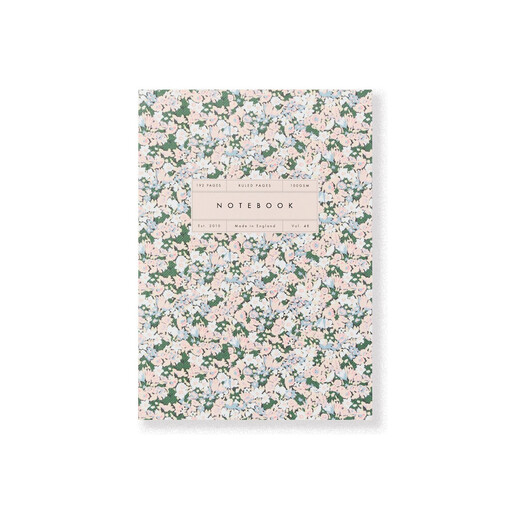
Why This Fits Their Persona: This portable notebook suits users who value a more considered cover finish for meetings, journalling, gifting or desk use.
The listing states the A5 format, 196 ruled pages and 100gsm inner paper, allowing buyers to compare substance rather than judging only the floral design.
196 ruled pages; 100gsm paper; textured covers with floral prints.
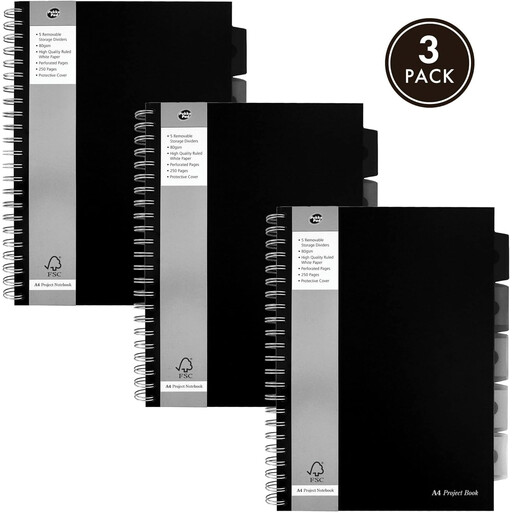
Why This Fits Their Persona: Suitable for professionals, teachers and students managing several modules, meeting records or long-running projects.
The A4 format, five repositionable dividers, storage pockets and perforated pages address organisation needs that a plain notebook may not cover.
250 pages per book; 80gsm FSC certified paper; wipe-clean polypropylene covers; pack of three.
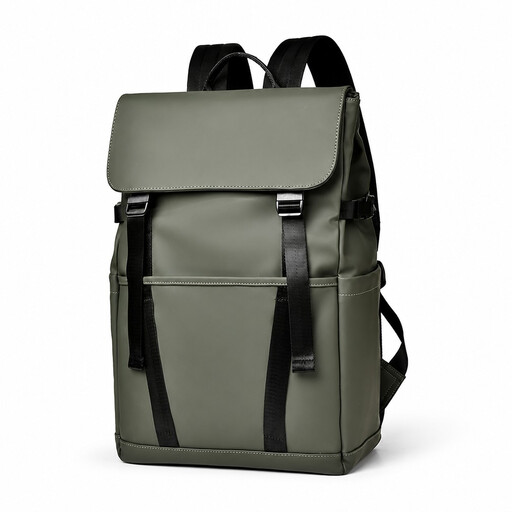
Why This Fits Their Persona: A practical option for commuters, business travellers and students carrying a laptop alongside notebooks and other writing supplies.
The listing identifies a 15.6-inch laptop capacity, multi-compartment design, water-resistant finish and luggage strap, giving clear points for comparison.
Designed for a 15.6-inch laptop; multiple compartments; luggage strap; water-resistant specification.
A simple system can make school stationery and office stationery easier to manage:
For children under three, follow the product warning on items containing small parts. Keep paper products dry, cap pens after use and test erasable ink before using it on forms or records that must remain permanent.
A practical starting set may include lined notebooks, an A4 project book, black or blue gel pens, pencils, highlighters, a pencil case and a suitable backpack. Course requirements vary, so check the school, college or university supply list before buying in bulk.
Usually, erasable gel pens are more appropriate for drafts, revision, planning and practice writing. Heat or rubbing can affect erasable ink, so use a permanent pen where records, forms or signed documents need to remain unchanged.
Lifespan depends on page usage, storage and handling. A 196-page A5 notebook may last several weeks or months for moderate use, while a 250-page project book can support a longer assignment or ongoing work. Keeping stationery away from moisture and avoiding heavy bending can help preserve it.