
24/7 全天候客户支持

免费退货

当日/次日达

品质保障

开启新人专享福利: 全场免邮 | 低至 2 折 | 免费试用 30 天 JoyPlus 会员
下载 Joybuy
Buying stationery can seem straightforward until ink bleeds through a notebook, highlighter tips become difficult to control or a diary lacks enough space for everyday planning. Whether you are preparing for school, organising office tasks, developing an art project or building a bullet journal, the right stationery should match how you write and where you use it.
The following guidance from the Joybuy Product Recommendation Officer focuses on practical details rather than packaging claims.
A large pack of colourful pens may look good online, but the set may not include the line widths or ink types you actually need. For example, broad felt-tip pens are suitable for colouring and headings, while 0.4 mm fineliner pens are more appropriate for compact notes, rulers and detailed drawings.
Before buying, check:
Paper quality affects how enjoyable stationery is to use. Lightweight paper can show marks from gel pens, brush pens and highlighters on the reverse side. A notebook may also become frustrating if its binding prevents it from opening flat.
Look for the paper weight in gsm, or grams per square metre. Higher gsm paper is generally more substantial, although ink formulation and paper coating also affect bleed-through. A lay-flat or wiro binding can be particularly useful for bullet journals, sketchbooks and planning notebooks.
Water-based ink, pigment ink, gel ink and ballpoint ink each behave differently. Some pens are designed for fast note-taking, while others are intended for lettering, shading or illustration.
Marketing language such as “smooth” or “creative” does not replace practical specifications. Check the tip construction, ink type, drying characteristics and intended use. For children, also review age warnings and supervise products containing small parts such as pen caps or decorative charms.
Tip size determines control, coverage and line consistency.
For study notes and office stationery, consider whether ink dries quickly enough for your writing speed. Left-handed users may wish to prioritise quick-drying or smear-resistant formulations.
For creative stationery sets, water-based ink can be useful for blending and lighter effects. Pigment ink may be preferable for defined lines, but always check the manufacturer’s instructions and test on the actual paper you plan to use.
A5 notebooks are portable and suitable for daily notes, journalling and planning. Larger formats provide more room for diagrams, artwork and detailed schedules. Check:
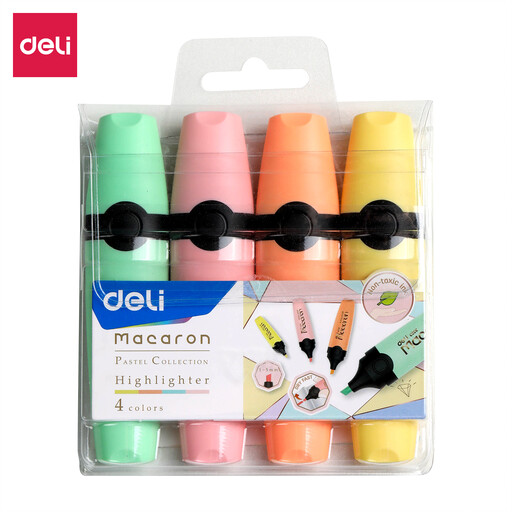
Why This Fits Their Persona: A straightforward option for students, home offices and first stationery kits, with a chisel tip that supports both narrow and broad highlighting.
The stated 1–5 mm range makes the tip function clearer than buying a highlighter based only on colour selection.
Water-based ink; PP/ABS barrel; adjustable chisel line width for underlining or marking.
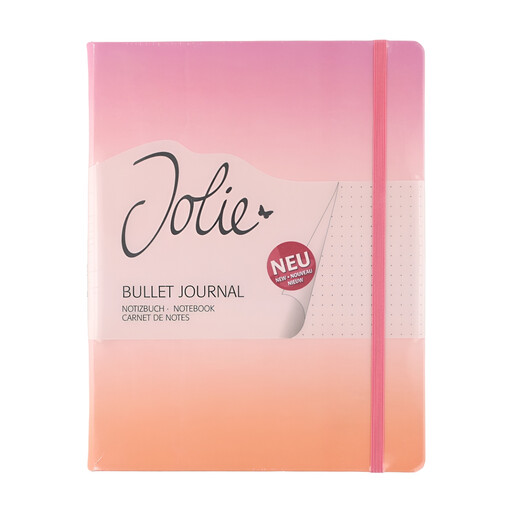
Why This Fits Their Persona: Suitable for journal enthusiasts and planners who want a firm writing surface, organised pages and room for hand lettering.
Its specifications state a 180° lay-flat design, numbered pages and 120 g/m² paper, addressing common usability and paper-weight concerns.
A5+ 17 x 22 cm format; 200 numbered pages; 120 g/m² paper; sturdy hardcover.
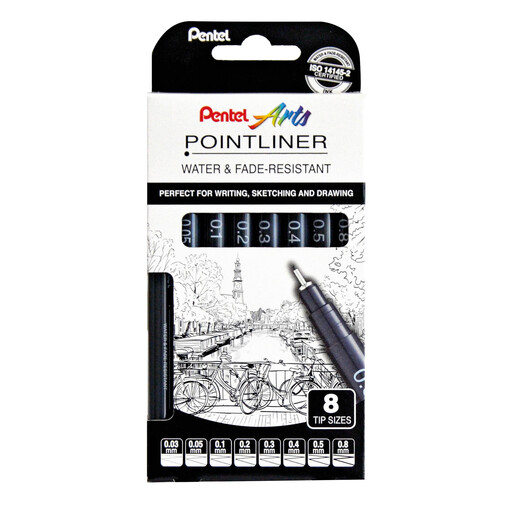
Why This Fits Their Persona: A practical choice for artists, designers and users who need several black fineliner sizes for technical drawing, sketching and detailed notes.
The range of 11 available tip sizes helps users select line control for a specific task instead of relying on one generic tip.
Water- and fade-resistant pigment ink; robust tip designed to retain its shape; pack of eight black pens.
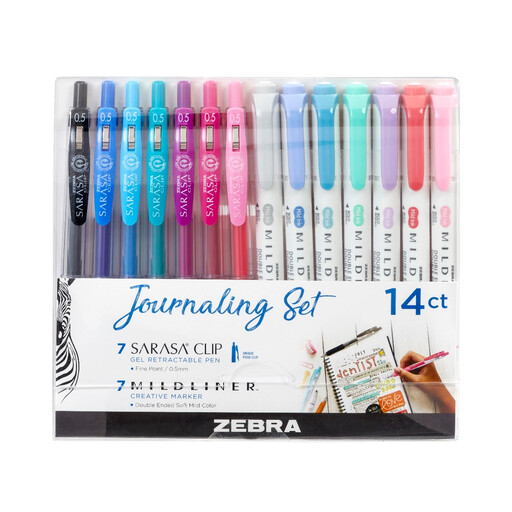
Why This Fits Their Persona: Designed for users combining planning, study notes and decorative journalling in one coordinated set.
The dual-tip format is clearly specified, with separate 1.4 mm bullet and 4.0 mm chisel tips rather than an unclear “multi-use” claim.
Seven highlighters and seven 0.5 mm gel pens; retractable clips; gel pens made with a guaranteed minimum of 70% recycled content.
We have compiled a complete, real-time list of products that fully satisfy these strict selection criteria and UK safety regulations.
A practical starter kit usually includes a notebook or bullet journal, a black fineliner, a ballpoint pen, a few highlighters and a pencil. Add gel pens, brush pens or colouring pencils if you plan to decorate pages or create lettering. Starting with a small selection makes it easier to identify which tools suit your writing style.
Choose paper with a suitable gsm rating, test pens on a rear page and avoid pressing heavily when writing. Water-based highlighters may behave differently from gel pens or brush pens, so paper compatibility matters more than colour alone. A separate blotting sheet can also protect the next page.
Lifespan depends on frequency of use, storage and whether caps are replaced. Retractable ballpoint pens protect their tips when closed, while capped fineliners and brush pens should be sealed after use. Keep stationery in a cool, dry place and replace items when ink flow becomes inconsistent or tips lose their shape.