
24/7 Customer Support

Free returns

Same-day & Next-day Delivery

Quality Guaranteed

Unlock Your Welcome Offers: FREE Delivery | Up to 80% OFF | Free 30-day JoyPlus trial
Download the APP
Buying stationery supplies can seem straightforward until the first few weeks of use reveal flimsy paper, uncomfortable pens or folders that do not fit existing files. Whether you are preparing for school, organising an office or replenishing a home craft drawer, small specification differences can affect value and usability.
Marketing also makes it easy to pay for features that are not useful for your routine. A colourful multipack may contain shades you rarely use, while a notebook may look substantial but offer little writing space. The following guide explains what to check before buying and matches practical products to different UK users.
A large stationery multipack can reduce the cost per item, but only if the contents match your needs. Eight black ballpoint pens may suit an office or busy household, whereas an assorted-colour pack could be more useful for revision, marking or planning. Check the quantity, colour mix and refill availability rather than judging value by the pack size alone.
Paper weight is measured in gsm, or grams per square metre. Lightweight 80gsm paper is suitable for everyday notes, lists and essays, but it may not be the right choice for wet media. Watercolour pads generally use heavier paper, such as 190gsm, to provide a more suitable surface for painting and mixed-media work.
Also check whether the notebook is A4, A5 or another format. A5 notebooks are convenient for bags and smaller desks, while A4 notebooks and document wallets provide more space for diagrams, reports and larger sheets.
A notebook with perforated pages may be useful if you regularly submit work or transfer notes into a folder. Similarly, punched pockets need to match your filing system. A product described as “multi-punched” is more versatile than one with a limited hole pattern, but always confirm compatibility with your ring binder or lever arch file.
For school stationery and office stationery, storage features such as pockets, reinforced edges and built-in lids can prevent loose items from damaging bags or desks.
For writing supplies, look for a page count that suits the task rather than relying on cover thickness. Wirebound notebooks that open flat can be easier to use on cramped lecture desks, train tables or shared office surfaces. Perforated pages are useful when notes need to be removed cleanly, while pre-punched pages can be filed without additional tools.
For art supplies, consider the medium first. A 190gsm acid-free pad may be suitable for watercolour, pencils, markers and selected mixed-media uses. Heavy washes can still cause paper to curl, so follow the product guidance and consider taping the sheet to a board.
A 0.8mm fine point produces more controlled writing for compact forms and detailed notes. A 1.0mm medium point generally creates a bolder line for everyday writing. Mechanical pencils with 0.5mm lead are useful for fine annotation, drawing and drafting, but the lead can break if excessive pressure is applied.
Comfort also matters. Rubberised or grooved grips may provide more control during extended writing, while retractable pens avoid the need for a separate cap.
For document organisation, check the plastic thickness, opening direction and spine design. A4 punched pockets made from 40-micron polypropylene are designed for routine filing, while a reinforced punched edge can help withstand repeated insertion and removal. Clear, embossed finishes can keep documents visible while reducing glare compared with completely smooth plastic.
Keep plastic filing products away from excessive heat and open flames, and supervise young children around stationery containing small parts or sharp edges.
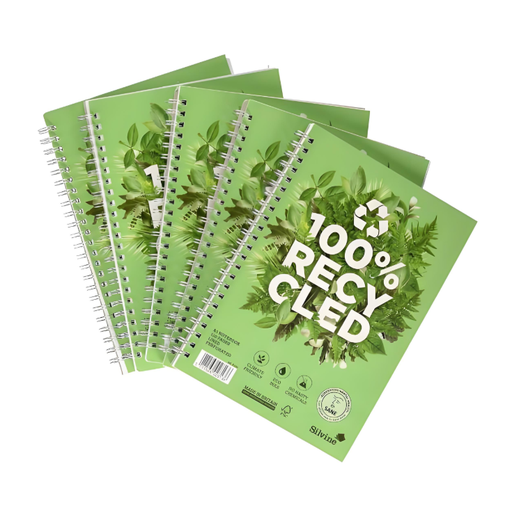
Why This Fits Their Persona: A five-pack gives students, home users and new office starters several notebooks for lectures, lists, revision and everyday notes.
The specification clearly states five A5 notebooks, 120 lined pages per notebook and 80gsm recycled paper, making the contents easier to assess before buying.
Four-hole punched pages, perforated sheets and a 360° wirebound opening support flexible note-taking and filing.
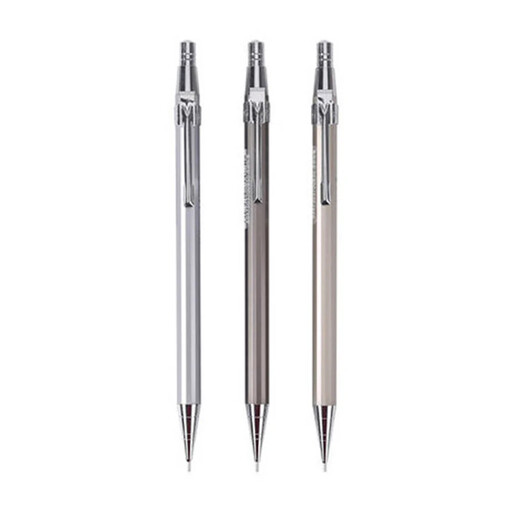
Why This Fits Their Persona: Students, designers and office users who prefer a weighted writing instrument may appreciate the stated metal barrel and fine lead format.
The 0.5mm lead size and push-button mechanism are specified, so buyers can distinguish it from broader drafting or coloured-pencil formats.
Three pencils are included, with black, white and gold finishes and a metal body.
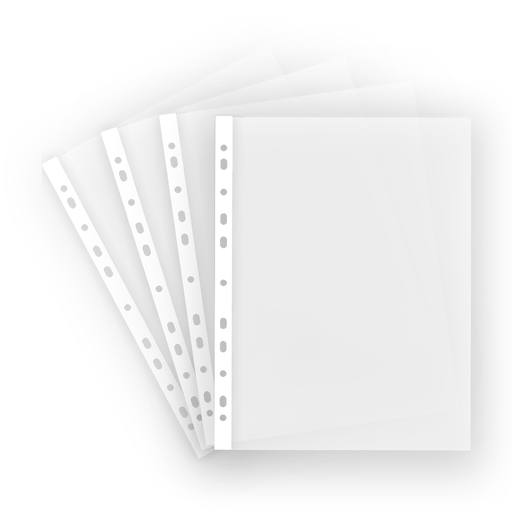
Why This Fits Their Persona: Useful for teachers, office workers, students and home administrators who regularly file reports, invoices, projects or coursework.
The product states a 40-micron polypropylene film, reinforced punched spine, top opening and 11 holes for standard ring binders and lever arch files.
The pack contains 25 clear A4 sleeves designed to keep documents visible and protected during routine storage.
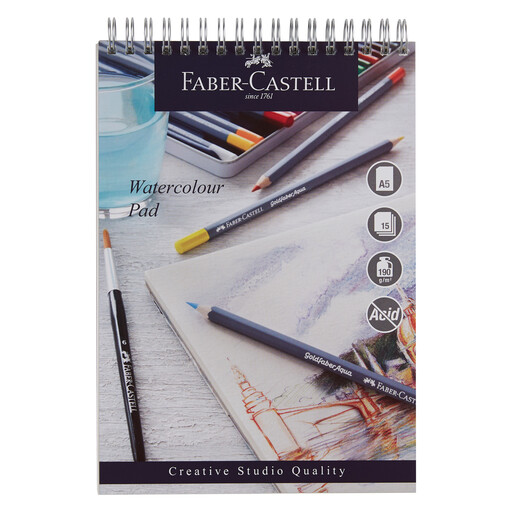
Why This Fits Their Persona: Artists, crafters and pupils completing school projects get a compact pad for painting, drawing and selected mixed-media activities.
The paper weight, A5 format, 15-sheet count and acid-free specification are clearly stated instead of relying only on appearance.
Wiro binding allows the pad to lie flat, and the paper is listed as suitable for watercolour, pencils, markers and other media.
We have compiled a complete, real-time list of products that fully satisfy these strict selection criteria and UK safety regulations.
A practical starter set often includes lined notebooks, black and blue pens, pencils, a pencil sharpener, eraser, ruler, highlighters and a document wallet. Add mechanical pencils or sketchbooks if your course includes technical drawing, design or art. Check any school or university equipment list before buying duplicates.
Store pens horizontally or with their tips protected, replace caps promptly and keep paper products away from damp areas. Empty pencil sharpener containers regularly and avoid forcing lead into mechanical pencils. Keep punched pockets in a cool, dry place and do not overload binders, as excessive weight can stress the punched edges.
They can be, particularly for frequently used pens, notebooks or punched pockets. Calculate the cost per usable item and check whether the pack contains the colours, formats or quantities you need. A smaller pack may offer better value if unused items would otherwise remain in a drawer.