Gamers short on plug sockets
If you cannot spare a socket for routine mouse charging, replaceable AA or AAA cells are worth considering. Check USB ports separately: a 2.4 GHz receiver may still need one.


Start with an AA- or AAA-powered wireless gaming mouse if routine charging would compete for a scarce plug socket. A rechargeable mouse can still make sense if you have a practical way to charge it; whichever power option you choose, check whether its gaming connection needs a free USB port and whether you will use its programmable controls.
If you cannot spare a socket for routine mouse charging, replaceable AA or AAA cells are worth considering. Check USB ports separately: a 2.4 GHz receiver may still need one.
When controlled movement and timely actions matter, look at the mouse’s connection modes rather than treating Bluetooth and a dedicated 2.4 GHz gaming connection as interchangeable. Mode-specific settings depend on the model.
If you want gadgets, crouch or other frequent actions on the mouse, count the controls you can comfortably reach. A dense button layout is useful only if you intend to learn and use the extra bindings.
Separate the plug-socket question from the USB-port question, then decide how many stealth-game actions you actually want to bind to the mouse.
| Concern | What to check | Who this matters to |
|---|---|---|
| Avoiding routine charging | Check whether the mouse uses replaceable AA or AAA cells or an internal rechargeable battery, and whether a battery is included. | If a socket is already needed for other equipment, I want a mouse I can keep using by changing its cells. Roughly 37% of consumers put freedom from routine socket charging first. |
| Wireless connection for play | Check for a dedicated 2.4 GHz mode, a free USB port for its receiver, and any Bluetooth-specific settings. | For careful movement and quick actions, I want to know which connection I will use during play. Around 27% of consumers make the gaming connection their primary concern. |
| Mouse-bound actions | Count usable programmable controls and check that the actions you need can be assigned. | I would rather reach a gadget or crouch command on the mouse than move my hand back to the keyboard. Roughly 18% of consumers put access to planned shortcuts first. |
| Fit and carry weight | Check shape, dimensions and whether the stated weight includes batteries; consider any weight-versus-runtime choice between cell configurations. | If I carry the mouse or play for long sessions, its shape and in-use weight matter more to me than extra controls. Around 18% of consumers prioritise comfort or portability. |
Replaceable batteries avoid routine wall-socket charging, but a 2.4 GHz wireless mouse can still require a USB receiver. Bluetooth avoids that receiver only when both the mouse and computer support it.
Count your available sockets and USB ports separately before settling on a power source and connection mode.
Connection modes can change a mouse’s configuration. SteelSeries says the Rival 3 Wireless automatically uses 125 Hz polling and default settings in Bluetooth mode; that behaviour should not be assumed for other models.
Check the exact mouse’s mode-specific settings before planning to game over Bluetooth.
Published runtimes can depend on battery type, connection mode and settings. Razer’s maximum figures for the Orochi V2, for instance, are measured with an AA lithium battery.
Read the conditions behind each manufacturer figure and plan for the cell changes or charging your chosen mouse requires.
Keeping spare cells, or rechargeable cells and a compatible charger, adds equipment to manage.
A button-dense mouse takes time to configure and learn. Razer lists 21 programmable controls for the Naga V2 HyperSpeed, while the Orochi V2 offers six; the larger count alone does not establish which layout suits your game.
List the actions you will assign, then choose a layout whose controls you can reliably identify and reach.
Its G305 and G309 provide two AA-powered wireless approaches for a desk where routine charging is inconvenient.
The compact Orochi V2 and control-heavy Naga V2 HyperSpeed address different priorities within battery-powered wireless play.
The Rival 3 Wireless offers a choice of 2.4 GHz and Bluetooth connections and can operate with one or two AAA cells.
These mice offer different ways to play without a cable during use. Compare the replaceable-cell option with models that use charging equipment, paying particular attention to what your available sockets and USB ports can accommodate.
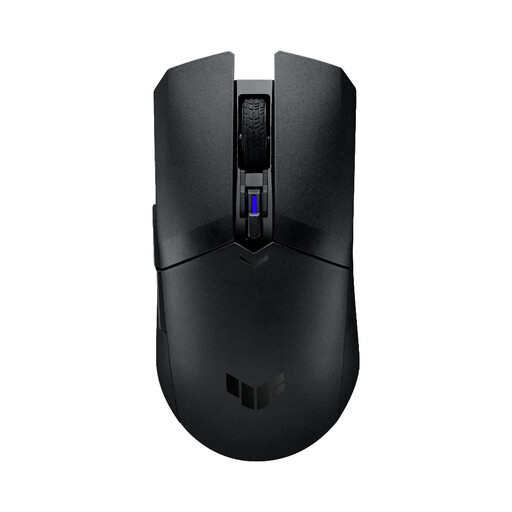 No image available
Consider this model if avoiding routine socket charging and assigning a few game actions to the mouse are priorities. Confirm the battery format, whether a battery and receiver are included, and the USB port needed for your intended connection.
 No image available
Consider this rechargeable option if you can accommodate the dock and want to plan mouse-bound actions. The title lists Bluetooth, 2.4G and USB-C modes and a PAW3311 sensor; confirm the exact connection modes, dock power requirements and weight before relying on them for your setup.
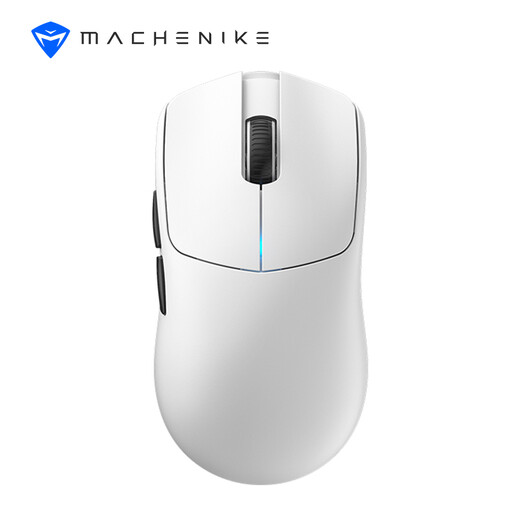 No image available
Consider this model if configurable game actions and a choice of wired, 2.4G and Bluetooth connections matter more than avoiding charging. Its title specifies a PAW3395 sensor and 49 g weight; check the weight configuration, charging needs and expected time between charges before choosing it for a socket-limited desk.
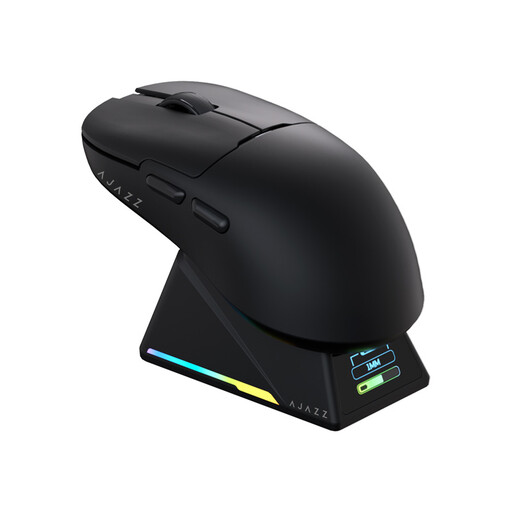 No image available
Consider this model if you can provide power for its magnetic charging base and want a 2.4G gaming connection. The title lists 56 g, a PAW3950 sensor, 8KHz polling and 2.4G and wired modes; confirm how the base is powered and whether this exact variant also supports Bluetooth.
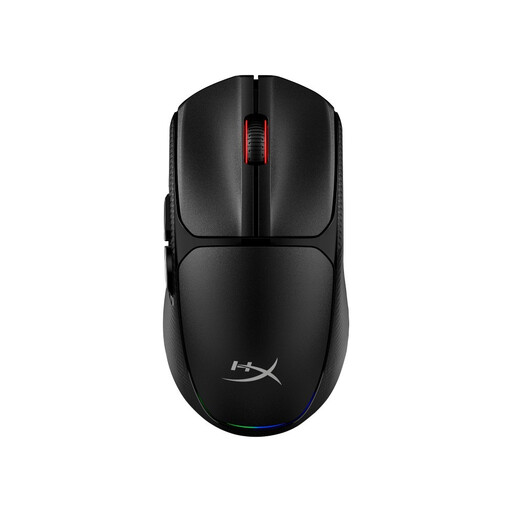 No image available
Consider this rechargeable mouse if you have a practical charging connection and a free USB port for its 2.4 GHz receiver. Check its charging frequency and programmable-button count if socket use or planned stealth-game bindings will decide your choice.
No. A mouse powered by replaceable AA or AAA cells avoids routine charging from a wall socket, while a rechargeable model still needs a way to charge. A 2.4 GHz wireless connection may also need a USB receiver, so check your USB ports separately.
Choose the dedicated 2.4 GHz connection when the mouse’s gaming mode is your priority and you have a free USB port for its receiver. Bluetooth can be useful when avoiding a receiver matters more, but check the exact model’s settings: SteelSeries says the Rival 3 Wireless uses 125 Hz polling and default settings in Bluetooth mode.
Plan for replacement cells, or rechargeable cells and a compatible charger, rather than routine charging of the mouse itself. Check the battery type and wireless mode behind any runtime claim; Razer states its Orochi V2 maximum figures using an AA lithium battery.
Use an appropriate battery collection or recycling point. UK guidance from the Office for Product Safety and Standards and the Department for Environment, Food & Rural Affairs describes collection and recycling arrangements for waste batteries; check which collection options are available to you.