
24/7 Customer Support

Free returns

Same-day & Next-day Delivery

Quality Guaranteed

Unlock Your Welcome Offers: FREE Delivery | Up to 80% OFF | Free 30-day JoyPlus trial
Download the APP
Navigating the world of garment care can feel unnecessarily complicated. With endless features and technical jargon, choosing a new steam iron often feels like a chore in itself. Many of us have been tempted by a flashy feature only to find it impractical, or have bought a model that gives up after a few months in a hard water area. As a Joybuy Product Recommendation Officer, my role is to help you sidestep these issues and find a tool that genuinely makes your life easier.
This guide cuts through the marketing jargon, focusing on the practical realities of keeping clothes crease-free in the UK. We will look at the common traps to avoid and the core features that truly matter, helping you invest wisely.
Before looking at what to buy, it is crucial to understand what to avoid. Many popular features can be misleading or simply not worth the extra cost for your specific needs.
powerful steam iron is its steam output. Paying a premium for the highest wattage might not deliver a noticeable improvement for everyday ironing, but it will impact your energy bill.cordless iron promises freedom of movement, but this can come at a price. Some models require frequent returns to the charging base, reheating every 30-40 seconds. This constant interruption can make ironing a single shirt a stop-start process, proving less convenient than a corded iron with a generous cable length.To make an informed choice, focus on these three non-negotiable specifications. They determine an iron's real-world performance far more than marketing buzzwords.
This is the most important factor for effective ironing. It is measured in grams per minute (g/min) and is split into two key figures:
steam generator iron offers much higher, pressurised steam output.The soleplate is the business end of the iron. Its material and shape dictate how smoothly it glides and how precisely it works.
ceramic soleplate iron is a popular choice, known for its excellent non-stick properties and even heat distribution. It glides effortlessly over fabrics. The main drawback is that it can be more prone to chipping or cracking if dropped compared to metal.Braun steam iron models, use proprietary coatings over stainless steel, such as EloxalPlus. These are designed to offer the smooth glide of ceramic with superior scratch resistance and durability, making them a robust long-term option.The term "steam iron" now covers a range of devices, each suited to different lifestyles.
Tefal steam generator models are well-known in this category.clothes steamer, this is not a direct replacement for an iron but a fantastic supplement. A handheld steamer is perfect for quickly refreshing delicate garments, de-wrinkling curtains or for use as a travel steamer.Based on these practical criteria, here are a few recommendations matched to different UK household needs.
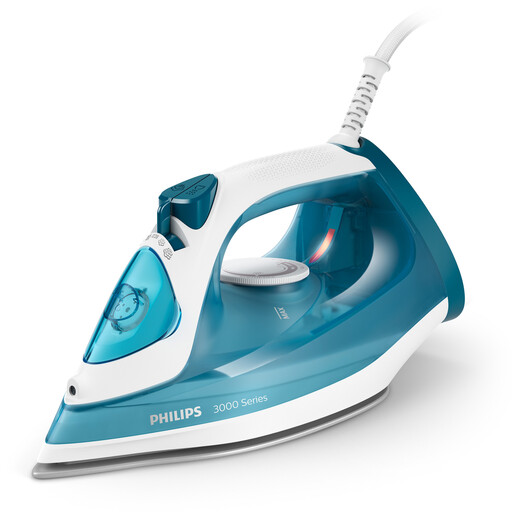
Why This Fits Their Persona: This is a reliable workhorse for the average UK household. It provides balanced performance for weekly laundry without the high cost of features you may not use. It is a straightforward, effective tool from a trusted brand like Philips.
It avoids the "power" trap by focusing on effective steam delivery (up to 140g boost) rather than just high wattage. The built-in Calc Clean slider is a practical feature for managing limescale in hard water areas.
Its durable ceramic soleplate ensures a smooth glide, and the 300ml water tank is a good size for getting through a decent pile of clothes without constant refilling.
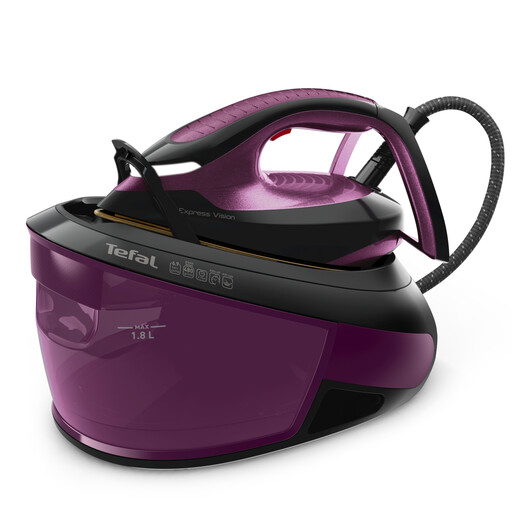
Why This Fits Their Persona: For families or individuals facing mountains of laundry, a steam generator is a game-changer. This model is built for efficiency, cutting down ironing time significantly with its high-pressure steam and huge water tank.
It directly tackles the limescale problem with a removable scale collector, a much more robust solution for UK hard water. The massive 1.8L tank also means you are not constantly stopping to refill.
The key advantages are the immense steam power (130g/min continuous, 480g/min boost) and the One Temp technology, which removes the guesswork and risk of burning different fabrics.
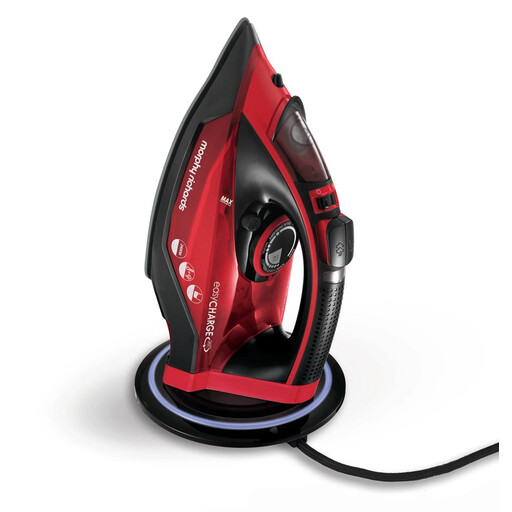
Why This Fits Their Persona: For those who value freedom of movement—crafters, quilters or anyone who simply hates getting tangled in cords—a well-designed cordless iron is ideal. This model offers true flexibility without being tethered to a plug socket.
It sidesteps the "cordless inconvenience" trap with a rapid reheat time of under 40 seconds. The 360° charging base makes it quick and easy to dock and lift the iron, minimising workflow interruptions.
Its main advantage is unrestricted movement. It also features a powerful 130g steam boost and a generous 350ml water tank, which is large for a cordless model.
We have compiled a complete, real-time list of products that fully satisfy these strict selection criteria and UK safety regulations.
1. How often should I descale my steam iron in the UK? This depends heavily on where you live. In soft water areas, you might only need to do it every few months. However, in hard water regions (like London and the South East), it is good practice to run the self-clean or descaling function at least once a month. If you notice a drop in steam performance or see white flakes on the soleplate, it is time to descale. Using de-ionised or distilled water can significantly prolong your iron's life.
2. Can I use a garment steamer on all fabrics? A garment steamer is generally safe for most fabrics, including delicates like silk, satin and polyester, which can be damaged by the direct heat of an iron. However, you should always check the garment's care label first. Avoid using a steamer on materials that can be damaged by moisture or heat, such as suede, waxed jackets or some plastics.
3. Is a steam generator iron more expensive to run? A steam generator iron typically has a higher wattage than a standard steam iron, so it consumes more electricity per hour. However, its superior steam power and efficiency mean you can get through your ironing pile much faster. For large households, the time saved can be substantial, potentially balancing out the higher hourly running cost. For smaller, occasional loads, a standard steam iron remains more energy-efficient.