Small-batch linen pressers
If you usually press only a few tea towels, an integrated-tank steam iron keeps handling and storage simple. Which? describes standard steam irons as compact compared with steam generators.


For a few linen tea towels at a time, a conventional steam iron is the more proportionate choice: it takes less storage space, while continuous steam and a boost give you two useful settings to compare. Consider a steam generator when tea towels are part of frequent, larger ironing loads and you have room for its separate base and tank. Follow each towel’s care label; where it permits ironing, slightly damp linen can be easier to press, as ARKET’s linen care guidance notes.
If you usually press only a few tea towels, an integrated-tank steam iron keeps handling and storage simple. Which? describes standard steam irons as compact compared with steam generators.
If tea towels are part of a larger, repeated ironing load, a steam generator’s separate tank may make longer sessions more convenient. Allow space for the base unit as well as the iron.
If limescale maintenance is a priority, compare the cleaning routine for the exact model. Morphy Richards advises that descaling steps differ between appliances, so one model’s instructions should not be applied to another.
Start with the size of your usual ironing load and the space available to store the appliance. Then compare steam control, tank capacity and the cleaning routine for the models you are considering.
| Concern | What to check | Who this matters to |
|---|---|---|
| Linen creases | Compare the exact model’s continuous-steam and boost figures; check the towel’s care label before using steam. | If I regularly press creased linen, I want sustained steam rather than relying on a brief boost. Around 40% of consumers put crease handling first. |
| Storage and capacity | Check whether the tank is integrated or separate, its stated capacity and the space needed to store the appliance. | When I only have a small batch of tea towels, I do not want a separate base taking up cupboard space. For around 30% of consumers, compact storage is the main concern. |
| Limescale care | Read the exact model’s water and cleaning instructions, including any collector or self-clean routine. | I want a cleaning routine I can keep up with, particularly where scale is a concern. Manageable maintenance comes first for around 20% of consumers. |
| Everyday handling | Confirm the exact model’s shut-off, drip-control and fabric-setting features if you need them. | When I move between tea towels and other household laundry, I want controls that suit each item’s care label. Around 10% of consumers prioritise straightforward mixed-laundry use. |
A separate tank is useful for longer ironing sessions, but the base also needs storage space. For a few tea towels, the extra capacity may offer little practical value.
Choose the format against your whole household ironing load, not the towel fabric alone.
Collectors, self-clean functions and descaling routines require different actions. Morphy Richards advises following the instructions for the particular appliance.
Before buying, check the exact model’s manual for permitted water, cleaning steps and any replaceable parts.
A boost is intermittent, so its figure does not describe the steam available throughout a pressing session.
Compare continuous steam as well as the boost, tank and soleplate information for the exact models under consideration.
A damaged plug or cable is a reason to stop using the appliance. The Health and Safety Executive advises keeping electrical equipment in good condition and having damaged cables replaced by a competent person.
Inspect the plug, cable and casing before use; do not tape a damaged cable or improvise a repair.
Offers conventional steam irons and steam generators, including models with removable scale collectors.
Offers integrated-tank steam irons alongside steam-generator models.
Offers conventional steam irons and steam generators with model-dependent scale-care arrangements.
These options include integrated-tank steam irons for smaller tea-towel batches and steam generators to consider when the towels are part of longer household ironing sessions. Compare each model’s controls and maintenance instructions before choosing.
 No image available
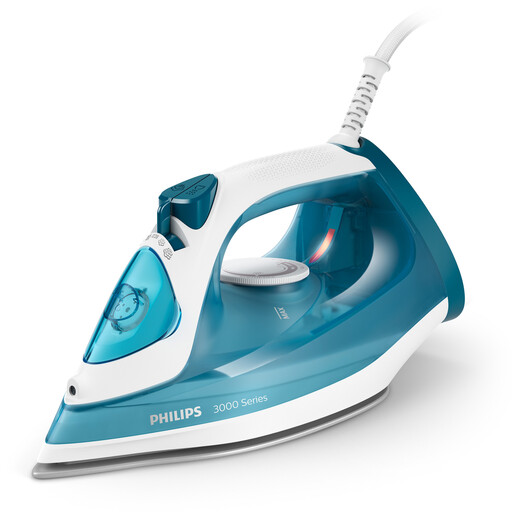
An integrated-tank iron to consider for small batches of linen tea towels. Check the model’s steam controls, scale-cleaning instructions and shut-off details against your needs.
 No image available
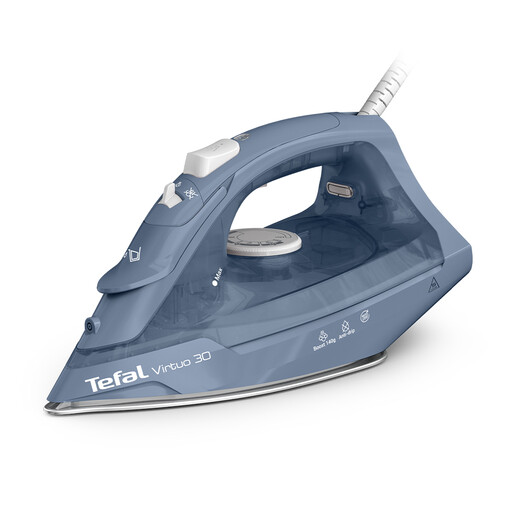
A conventional iron to consider when tea towels make up a small ironing load. The product name specifies 2200 W and a 240 ml tank; confirm the exact model’s steam-boost figure before comparing it with another iron.
 No image available
A separate-tank option to consider if tea towels are part of frequent, larger ironing loads. The product name specifies 2800 W and a 1.8 L tank; allow storage space for the base and check its scale-care instructions.
 No image available
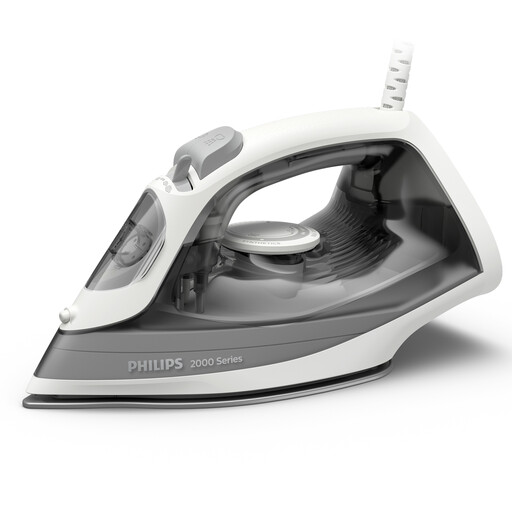
An integrated-tank format to consider for small tea-towel batches. The product name specifies 2000 W; check the exact model’s tank capacity, shut-off details and cleaning routine if those affect your choice.
 No image available
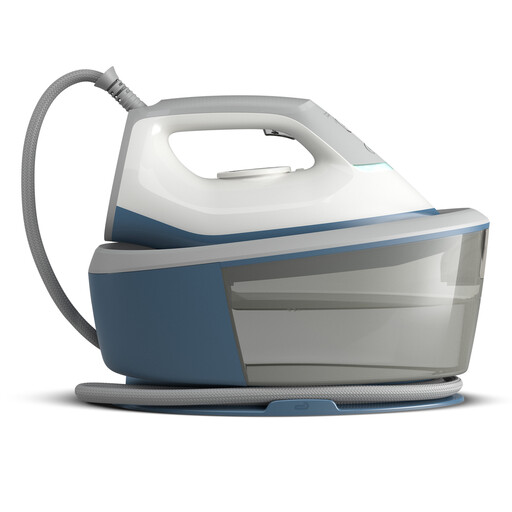
A generator format to consider for longer household ironing sessions that include tea towels. The product name specifies 2400 W; check the space needed for its base, along with the model’s tank and scale-care instructions.
Usually not for tea towels alone: a conventional steam iron is the more compact option for small batches. Consider a generator if you also iron larger household loads frequently and can store its separate base and tank.
Compare continuous steam for sustained pressing and a steam boost for occasional resistant creases, using figures for the exact models. ARKET advises ironing linen while it is slightly damp, but follow the tea towel’s own care label before applying heat or steam.
No: the required upkeep depends on the appliance. Morphy Richards advises that cleaning and descaling steps differ by model, so check its manual for the correct procedure and permitted water.
Check that the appliance suits the electrical supply and that its plug, cable and casing are in good condition. The Health and Safety Executive advises against using damaged electrical equipment; arrange a competent repair rather than improvising one.