Occasional cotton-skirt pressers
If you usually press one or a few skirts before wearing them, a conventional steam iron lets you weigh detail control against the space needed to store it.


For one or a few cotton skirts at a time, a conventional steam iron is the practical starting point. Consider a steam generator when skirts are part of frequent, larger household loads and you have room for its separate base. Set the temperature from each skirt’s care label, not its cotton content alone.
If you usually press one or a few skirts before wearing them, a conventional steam iron lets you weigh detail control against the space needed to store it.
If skirts go into regular loads with shirts, uniforms or bedding, tank capacity, refilling and space for a separate steam-generator base become more consequential.
If scale is a concern where you live, compare the cleaning system on the exact model and follow its water and maintenance instructions.
Start with the skirt’s care label and the size of your usual ironing load. Then compare detail control, scale care and the space available for safe use and storage.
| Concern | What to check | Who this matters to |
|---|---|---|
| Creases and skirt details | Compare continuous-steam and boost ratings for the exact model, plus its soleplate and tip. Follow the garment’s care label for temperature. | When a skirt has set-in creases, seams or pleats, I want control over the pressed finish without assuming cotton permits maximum heat; around 40% of consumers put crease and detail control first. |
| Regular household loads | Compare tank capacity and refilling needs, then allow space for a separate base if considering a steam generator. | If skirts are only part of a larger pile, I want to get through the session with fewer interruptions; roughly 30% of consumers prioritise batch ironing. |
| Scale maintenance | Check the exact model’s calc-clean system or removable collector and its water instructions. | With hard water at home, I want a cleaning routine I can keep up so scale does not interfere with steam; around 20% of consumers make maintenance their primary concern. |
| Shared-home use and storage | Assess handling and cooling space. Electrical Safety First advises checking for a UK 3-pin plug and fuse. | Where children or pets share the home, I need somewhere secure to use, cool and put away a hot appliance; about 10% of consumers put safe handling and storage first. |
Linings, prints, finishes or blended fabric can change the appropriate setting. GINETEX says to select the maximum ironing temperature from the garment’s care label.
Read the ironing symbol before setting the temperature; if the garment is unfamiliar, test an inconspicuous area.
A steam generator has a separate base and water system, which takes more storage space than a conventional iron.
Consider that format for frequent, larger household loads rather than an occasional skirt touch-up.
Scale can reduce steam output, while cleaning arrangements differ between models.
Check the exact model’s collector or cleaning system and follow its water and maintenance directions.
Auto-off does not make an unattended hot iron or an unsafe cooling spot harmless in a family home.
Unplug the iron after use, check the lead and plug for damage, and let it cool away from children, pets and flammable materials.
Relevant to shoppers comparing conventional steam irons with detail-pressing and scale-management features.
Relevant when comparing a conventional iron with a separate-base steam generator.
Relevant to shoppers considering a steam generator for larger household ironing sessions.
These options include conventional irons for pressing one or a few skirts and steam generators to consider when skirts are part of frequent, larger household loads. Check each garment’s care label whichever format you choose.
 No image available
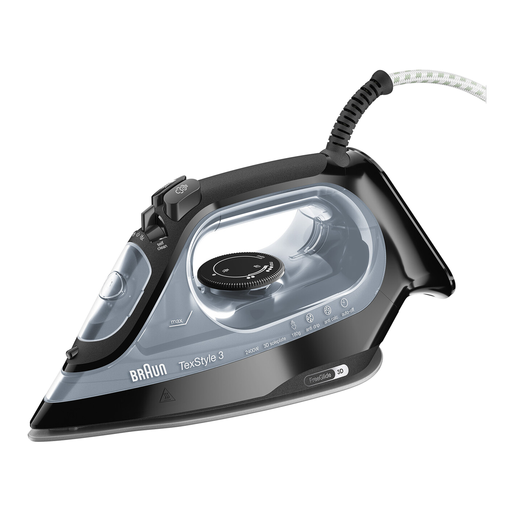
For pressing seams and pleats in a modest load, consider its named precision tip and FreeGlide 3D EloxalPlus soleplate. Confirm the electrical details and suitable cooling space before buying.
 No image available
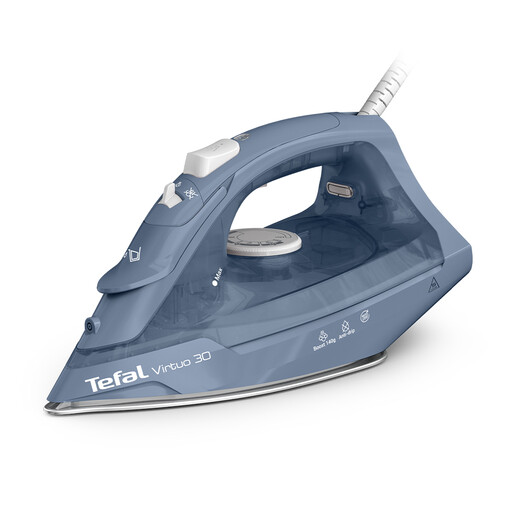
For occasional skirt pressing, consider whether its 240 ml tank suits the length of your sessions; the title lists 30 g/min continuous steam. Confirm the steam-boost figure before using it to compare models.
 No image available
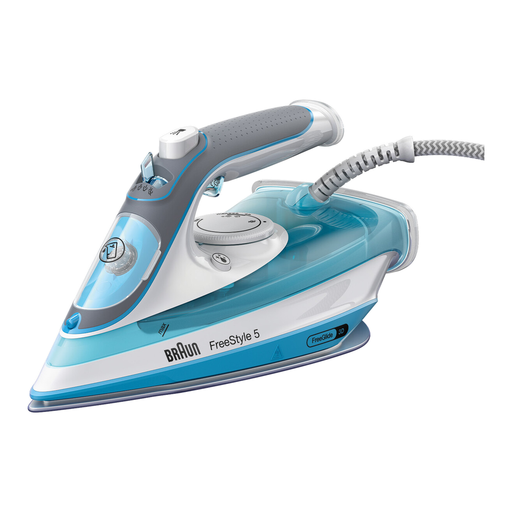
For skirt panels and details, consider how its named FreeGlide 3D SuperCeramic soleplate suits your pressing needs. The title also specifies anti-drip; check the model’s water and scale-care instructions if your water is hard.
 No image available
Consider this separate-base format when skirts are part of frequent, larger loads and you have secure storage space. Its title specifies a 1.8 L tank; follow each skirt’s care label when selecting heat.
 No image available
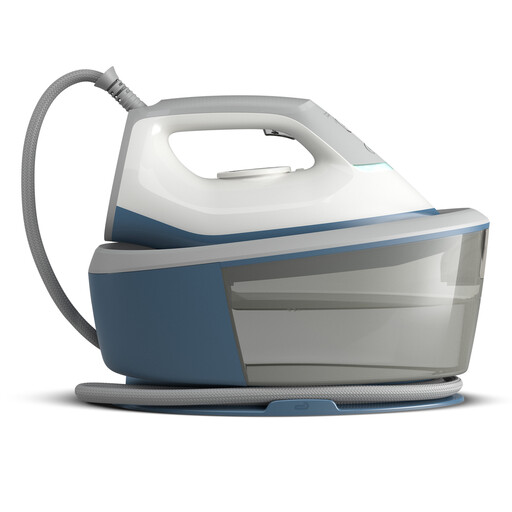
Consider a separate-base generator for regular, larger ironing batches if storage permits. If defined pleats and seams matter most, check whether this model offers the tip control you need.
No. GINETEX says the garment’s care label determines the maximum ironing temperature. Check it even when the main fabric is cotton, particularly if the skirt has a lining, print, finish or blended material.
Consider a steam generator if you regularly press larger household loads and have secure space for its separate base. For an occasional skirt or two, a conventional steam iron avoids that additional storage requirement.
Look for a documented cleaning system on the exact model, then follow its instructions on water and cleaning. Tefal notes that scale build-up can reduce steam output; cleaning arrangements vary between irons.
Check the product marking and manufacturer details recommended by GOV.UK, and the UK 3-pin plug and fuse advised by Electrical Safety First. Read the instructions before use, unplug the iron afterwards and stop using it if its plug, lead or casing is damaged.