
24/7 Customer Support

Free returns

Same-day & Next-day Delivery

Quality Guaranteed

Unlock Your Welcome Offers: FREE Delivery | Up to 80% OFF | Free 30-day JoyPlus trial
Download the APP
Recreating the delicate, savoury flavour of a restaurant-quality Cantonese steamed fish at home can feel like a challenge. You select the freshest fish, time the steaming perfectly, yet something is missing. Often, the secret lies not just in the technique, but in one key ingredient: the sauce. A purpose-made steamed fish soy sauce is carefully balanced to enhance, not overpower, the natural sweetness of seafood.
Unlike standard light or dark soy sauce, a specialised seafood soy sauce is formulated with a specific flavour profile in mind—typically less salty, slightly sweeter and with a lighter colour. This guide is designed to help you navigate the options and find a sauce that will elevate your home-cooked seafood dishes. We will look at what makes a great soy sauce for fish and present some of our top recommendations available in the UK.
When selecting a sauce, a few key details can help you make an informed choice. Keeping these points in mind will ensure you get the authentic taste you are looking for.
The primary purpose of a Chinese steamed fish sauce is to add a layer of savoury umami and a hint of sweetness that complements the delicate texture of fish. Look for sauces described as "seasoned for seafood." These are typically brewed to be less sharp and salty than all-purpose soy sauces, preventing the fish's natural flavour from being masked. The balance of salt, sugar and umami from ingredients like yeast extract is crucial.
The foundation of any good soy sauce is its core ingredients. Many quality brands highlight the use of non-GMO soybeans and natural brewing processes. Some sauces are also blended with additional spices, such as aged tangerine peel or star anise, to create a more complex aroma. If you have dietary requirements, always check the label for allergens like wheat and additives such as flavour enhancers.
While its primary use is for steamed fish, a good quality seafood soy sauce is a versatile addition to your pantry. It can be used as a light seasoning for stir-fried vegetables, a dressing for cold appetisers or a simple dipping sauce for seafood like prawns and scallops. A sauce that can be used in multiple dishes offers better value and convenience.
Here are four popular choices for steamed fish soy sauce, each with a distinct character to suit different preferences.
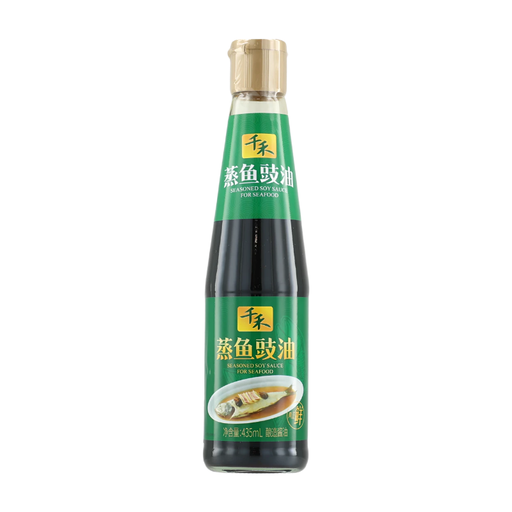
Why It Stands Out: Qianhe’s sauce is brewed in Meishan, Sichuan, a region known for its ideal fermentation climate. It is specifically formulated to provide a perfectly balanced savoury-sweet profile that enhances the natural taste of seafood without being overpowering.
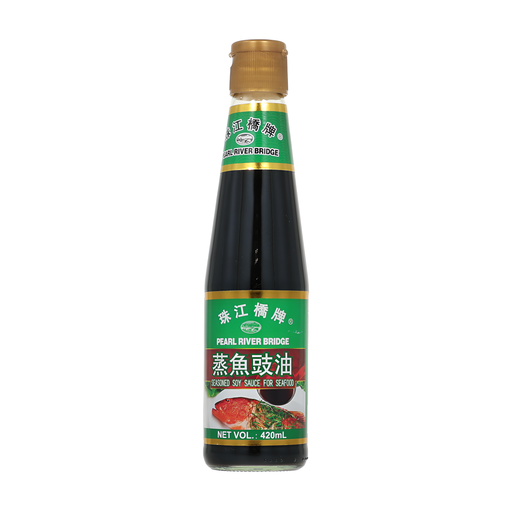
Why It Stands Out: Pearl River Bridge is a well-established brand that combines traditional brewing methods with modern technology. This sauce is crafted to bring out the freshness of fish with its rich, savoury character.
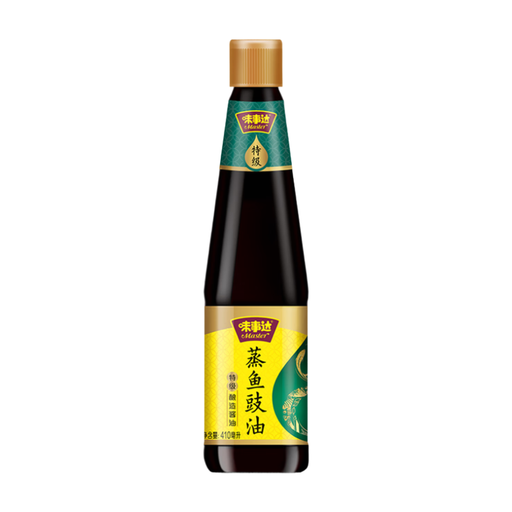
Why It Stands Out: This sauce distinguishes itself with a more complex aromatic profile, thanks to a blend of eight natural spices and aged tangerine peel. It is designed to add layers of fragrance as well as taste.
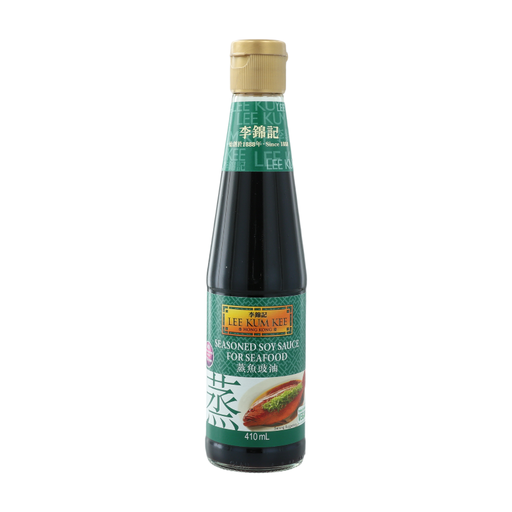
Why It Stands Out: From one of the most recognised names in Chinese sauces, this product is a ready-to-use solution for achieving that authentic restaurant finish. It is specifically crafted to be heated and poured directly over steamed fish.
The right seasoning can transform a simple meal into something special. If you are interested in exploring more specialised sauces and ingredients for your seafood dishes, you can find a wider selection in our collection.
Explore our full range of Chinese Fish Seasoning here.
While you can, the result will be different. Regular light soy sauce is much saltier and lacks the subtle sweetness of a dedicated steamed fish soy sauce. Dark soy sauce is too thick and strong, and would overwhelm the fish. For an authentic taste, a seasoned seafood soy sauce is recommended.
The classic Cantonese method is simple. First, steam the fish with ginger slices until just cooked. Discard any liquid that has collected on the plate. Gently heat a few tablespoons of the seafood soy sauce (do not boil) and pour it evenly over the fish. Finally, top with shredded spring onions and ginger and pour a small amount of sizzling hot oil over the garnish to release the aromas.
The main differences are in saltiness, sweetness and colour. A seafood soy sauce is brewed to be less salty, slightly sweeter and often lighter in colour than a standard light soy sauce. This formulation is designed specifically to complement the delicate flavour of fish and other seafood without overpowering it.