
24/7 Customer Support

Free returns

Same-day & Next-day Delivery

Quality Guaranteed

Unlock Your Welcome Offers: FREE Delivery | Up to 80% OFF | Free 30-day JoyPlus trial
Download the APP
From a Sunday roast that left its mark on your favourite tin to the aftermath of a summer barbecue, some cleaning jobs require more than just a standard sponge. A good steel scourer is an essential tool in any British kitchen, but choosing the right one isn't as simple as grabbing the first one you see. Many fall apart after a single use or leave a trail of rust in your sink.
As the Joybuy Product Recommendation Officer, my role is to help you navigate these choices. We'll look at the common pitfalls that lead to wasted money and highlight the key features that separate a reliable pot scrubber from a disposable disappointment.
Before you buy, be aware of these frequent issues that can make a seemingly good value purchase a frustrating experience.
To ensure you get a durable and effective cleaning tool, focus on these two non-negotiable parameters.
The single most important factor for longevity is the material.
How the scourer is made directly impacts its durability.
By checking for a stainless steel composition and a tightly woven construction, you can immediately filter out many of the low-quality options on the market.
Instead of a single "one-size-fits-all" product, we've matched our recommendations to the specific needs of different UK households.
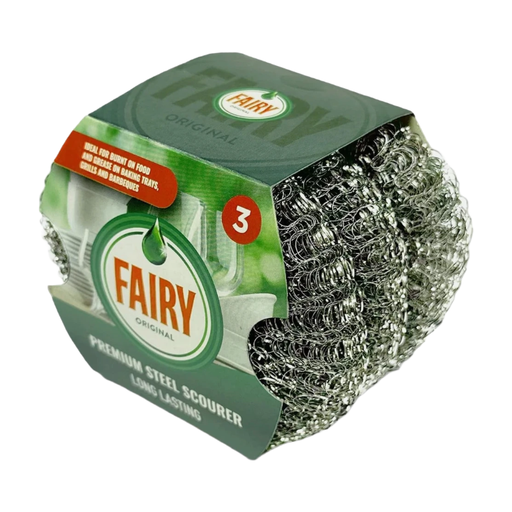
Why This Fits Their Persona: This is a practical, value-for-money choice for the busy family kitchen. It's ideal for tackling common but tough messes on roasting tins, oven trays and sturdy pans without needing a premium, specialised tool.
While made of standard steel, its construction from a known brand is more reliable than generic alternatives, reducing the risk of immediate unravelling. The value-oriented 3-pack means you always have a fresh one ready.
Excellent value with a multi-pack format. Specifically designed for heavy-duty grease and burnt-on food.
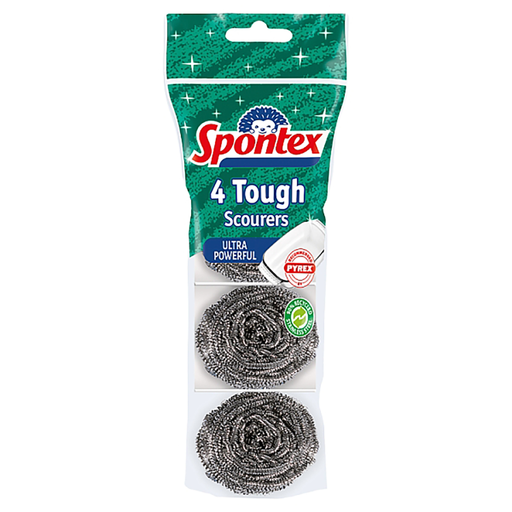
Why This Fits Their Persona: For those who use glass baking dishes (like Pyrex) and want a durable, long-lasting scourer that won't leave rust stains. This is a higher-quality choice for someone who values performance and longevity.
It directly solves the rust problem by being made from 90% recycled stainless steel. Its durable, woven construction is designed to last, preventing it from unravelling and making it a safer choice for quality cookware.
Rust-free and long-lasting stainless steel construction. According to the manufacturer, it is recommended by Pyrex for use on their glass dishes.
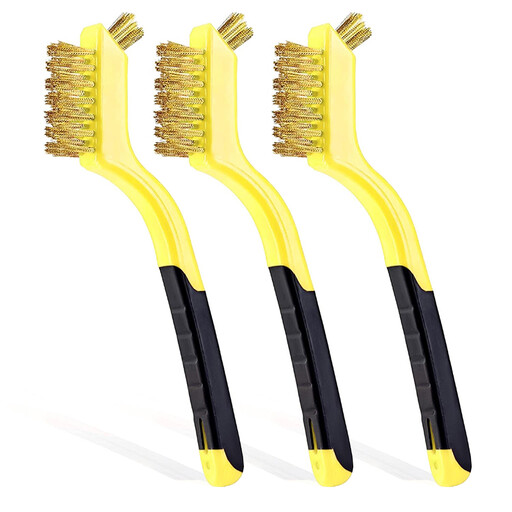
Why This Fits Their Persona: This is more than a simple scourer; it's a heavy-duty cleaning tool. It's perfect for someone who needs a powerful bbq scourer or grill cleaner and can also tackle rust on garden tools or other tough outdoor jobs.
Its robust brush design completely sidesteps the "unravelling" issue common with woven scourers. The copper-plated steel wire is specifically engineered for aggressive cleaning tasks where durability is paramount.
A versatile double-headed design combines a steel wire brush with stiff bristles. Built for heavy-duty rust and grime removal beyond standard kitchen use.
We have compiled a complete, real-time list of products that fully satisfy these strict selection criteria and UK safety regulations.
The most effective way is to buy a stainless steel scourer. If you have a standard steel one, the key is to minimise its contact with water. After each use, rinse it thoroughly, squeeze out as much water as possible and leave it to dry in a place with good air circulation, not in a pool of water at the bottom of the sink.
You should be very careful with abrasive cleaners. Never use a steel scourer on:
If in doubt, always test on a small, inconspicuous area first.
You should replace your scourer when it shows clear signs of wear. This includes significant rusting (for non-stainless steel types), when it begins to unravel or shed metal pieces or when it becomes clogged with food debris that you can no longer rinse out effectively. A worn-out scourer is less effective and can become unhygienic.