
24/7 Customer Support

Free returns

Same-day & Next-day Delivery

Quality Guaranteed

Unlock Your Welcome Offers: FREE Delivery | Up to 80% OFF | Free 30-day JoyPlus trial
Download the APP
Choosing STEM science kits for kids can be harder than it looks. A colourful box may promise hours of discovery, yet some kits contain too few consumables, unclear instructions or pieces that are unsuitable for the child’s age. Parents and gift buyers should look beyond the experiment count and check how the kit will work in a real UK home.
This guide explains the buying pitfalls to avoid, the specifications worth checking and which type of educational science kit may suit different children.
A kit may advertise ten or more experiments, but some activities might rely heavily on household ingredients, use the same components repeatedly or produce a result only once. Check the contents list carefully. A useful kit should state which materials are included and which extras you need, such as water, salt, batteries or washing-up liquid.
Chemistry sets for children, electrical circuit kits and excavation activities involve different levels of reading, dexterity and supervision. A box labelled as a STEM toy may still contain small parts, chemicals, magnets or button batteries.
Treat the stated age range as a safety requirement rather than a loose suggestion. Also consider whether the child can follow the instructions independently or whether an adult needs to lead each activity.
Slime making kits, crystal experiments and volcano activities can be engaging, but they need a protected work surface and sensible storage. Some kits are mainly one-session experiences, while construction and robotics kits can be rebuilt many times. Think about where the kit will be used and whether the components can be stored securely afterwards.
Look for a clearly stated minimum age, choking warnings and instructions for adult supervision. For example, several science kits in this guide are intended for children aged eight or above, while the Science Mad Early Skills Science Lab is designed for children from age four.
Age grading does not replace supervision. Children should not handle chemicals, magnets, small components or batteries without an adult following the product instructions.
For toys sold in the UK, check the packaging and listing for relevant conformity information, manufacturer or importer details and safety instructions. Toys may display the CE marking or, where applicable, the UKCA marking, depending on the market and product arrangements. A magnetic toy should include a clear warning about swallowed magnets, while kits containing chemicals should explain safe handling, storage and disposal.
Do not rely solely on phrases such as “non-toxic” or “safe material”. Read the specific warnings, including whether eye protection is supplied and whether the product must be kept away from pets or younger children.
Check whether batteries are included. The Science Mad SM37 Electrical Circuit Lab requires two AA batteries, which are not included, while the Science Mad 2 in 1 Plasma Globe and Energy Stick Set includes its stated batteries. Battery compartments should be kept closed and spare or used batteries stored away from children.
For construction-based educational STEM toys, piece count and component type matter. Magnetic tiles can support open-ended building, but magnets must be inspected regularly for cracks or exposure. For smaller homes, compare the package dimensions and storage requirements before ordering.
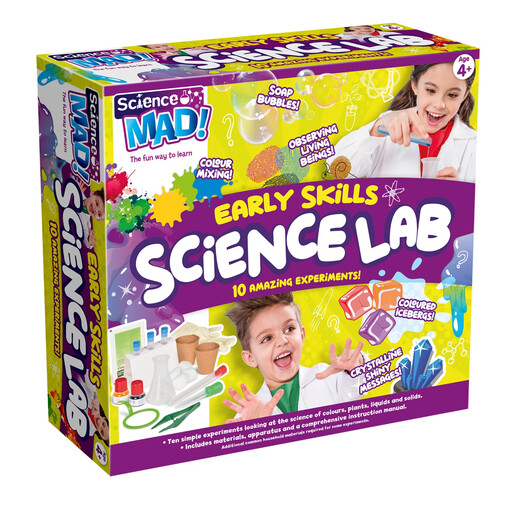
Why This Fits Their Persona: A practical starting point for younger children who are curious about colours, plants and simple observations, with no batteries required and a compact package for family use.
The listing specifies ten activities, included lab-style apparatus and a 28-page illustrated manual, making the required setup clearer than a vague activity count.
Suitable from age four; includes test tubes, a flask, a pipette, food colouring and seeds.
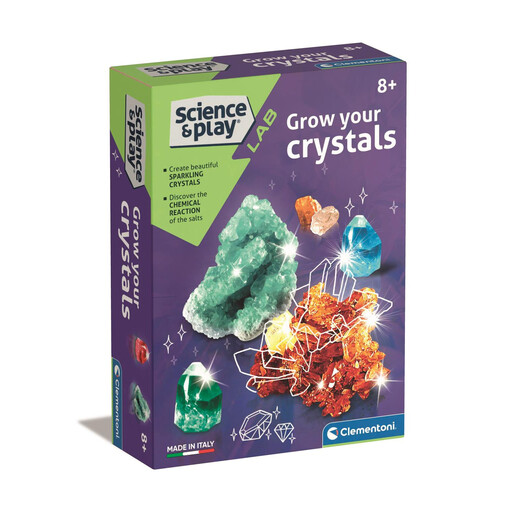
Why This Fits Their Persona: A considered gift for children who enjoy patient, visually focused projects and want to see a gradual result rather than finish one quick experiment.
The kit identifies its crystal-forming materials, plaster moulds, beakers and blotting paper, while the manual explains the process rather than presenting the result as instant.
Designed for ages eight to 14; includes an illustrated guide and materials for translucent, coloured crystal shapes.
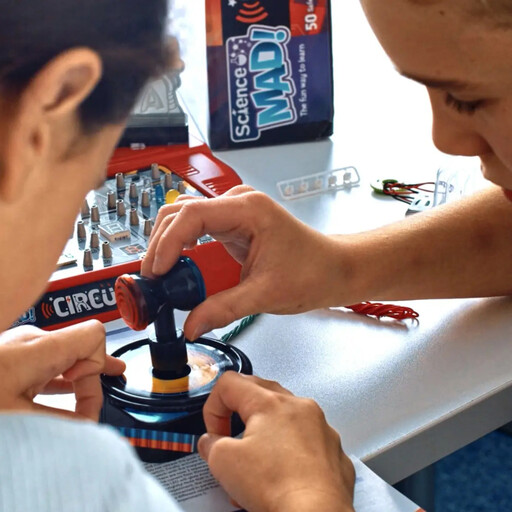
Why This Fits Their Persona: Suitable for an older child who wants repeatable construction and troubleshooting rather than a single finished display.
The product specifies circuit components and guided experiments, so buyers can assess the learning activity instead of relying on broad engineering language.
Suitable from age eight; supports basic circuit connections, lamp lighting and simple control experiments.
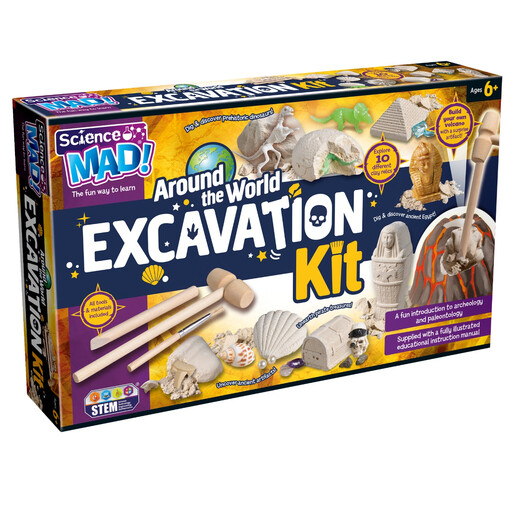
Why This Fits Their Persona: A gift-friendly option for children who enjoy history, dinosaurs and hands-on discovery, particularly during school holidays or supervised weekend activities.
It lists ten clay formations, 14 artefacts and the mallet, chisel and brush, reducing the risk of buying a dig kit with limited tools.
Suitable from age six; includes paints, a volcano mound, plaster and an illustrated educational manual.
We have compiled a complete, real-time list of products that fully satisfy these strict selection criteria and UK safety regulations.
Some are. Choose a product specifically marked for the child’s age, with simple instructions and no unsuitable chemicals, magnets or button batteries. For five-year-olds, an age-appropriate introductory lab or a supervised construction activity is generally more practical than an advanced chemistry set.
Often, yes. Check the contents and instructions before buying. Some kits include specialist apparatus but expect items such as water or kitchen ingredients, while circuit kits may require AA batteries. This affects the real cost and whether the child can begin immediately.
Choose kits with reusable apparatus, replaceable household ingredients or rebuildable components. Store liquids, powders and small parts exactly as instructed, clean equipment after use and inspect pieces for damage. Crystal and slime projects may use consumables, whereas magnetic building sets, robotics kits and circuit components can support repeated sessions when maintained properly.