
24/7 Customer Support

Free returns

Same-day & Next-day Delivery

Quality Guaranteed

Unlock Your Welcome Offers: FREE Delivery | Up to 80% OFF | Free 30-day JoyPlus trial
Download the APP
Sticker paper and labels can simplify household organisation, small-business packaging, school projects and craft work. However, choosing by appearance alone can lead to wasted sheets, printer jams or labels that peel away before they reach their intended destination.
This guide from the Joybuy Product Recommendation Officer explains the practical specifications to check, common purchasing traps and suitable formats for different UK users.
Inkjet, laser and thermal printers use different printing methods. A roll designed for a mini thermal printer will not work in a standard A4 office printer, while ordinary printable adhesive labels may not be suitable for a label maker.
Before ordering, check:
For example, A4 address labels are intended for sheet-fed printers, whereas thermal label paper is generally made for a specific roll-based device.
A roll containing hundreds of small labels may appear economical, but it may not suit parcels, product packaging or larger storage boxes. Conversely, large address labels can be inconvenient for small jars, cables or price tags.
The useful comparison is cost per usable label, not simply the number printed on the pack. A 230-count roll of small barcode labels and a 100-count roll of larger package labels serve different purposes.
A label can print clearly yet perform poorly if it is applied to a dusty, damp or uneven surface. Adhesive quality also depends on storage. Keep unused stock in a cool, dry place and apply labels to clean, dry surfaces.
For goods exposed to heat, sunlight, oil or moisture, check whether the product description mentions suitable resistance. Do not assume that every self-adhesive sticker paper is intended for outdoor use or long-term product packaging.
For office or home printing, choose sheets clearly marked for your printer type. The Triplast A4 labels listed below are described as compatible with inkjet, laser and copier machines, and can also be written on with a pen, pencil or marker.
For thermal printing, match the refill to the exact model. Products in this category include:
Thermal printing does not use ink, but the correct roll width and device compatibility remain essential.
Check both the individual label size and the number per sheet or roll. For A4 products, confirm the sheet layout in your label software before printing. A mismatch can cause text to run over the edges.
Useful examples include:
For photographs or journals, width and roll length matter more than sheet layout. Some mini printer refills use 50 mm wide rolls, which are suited to notes, diaries, scrapbooking and small photo stickers.
A smooth matt finish can make text and barcodes easier to read, particularly where glare would be inconvenient. A quick-drying coating is useful with inkjet printing because it may reduce smudging during handling.
Also check whether the backing is designed for easy peeling and whether the adhesive is described as removable or permanent. If you are labelling rented furniture, reusable containers or delicate paper, permanent adhesive may not be appropriate.
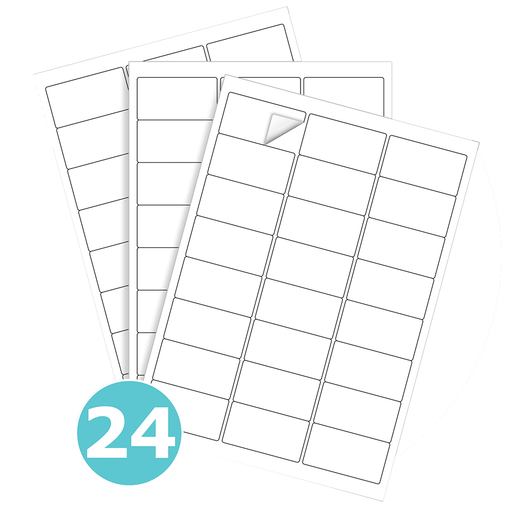
Why This Fits Their Persona: A practical starting point for households, home offices and small sellers needing one format for addresses, folders, parcels and occasional craft projects.
The A4 sheet format and stated compatibility with inkjet, laser and copier printers reduce the risk of buying a roll for the wrong device. Check the 24-label template before printing.
Smooth matt finish, quick-drying coating, easy-peel backing and hot melt adhesive. Suitable for handwriting as well as printed labels.
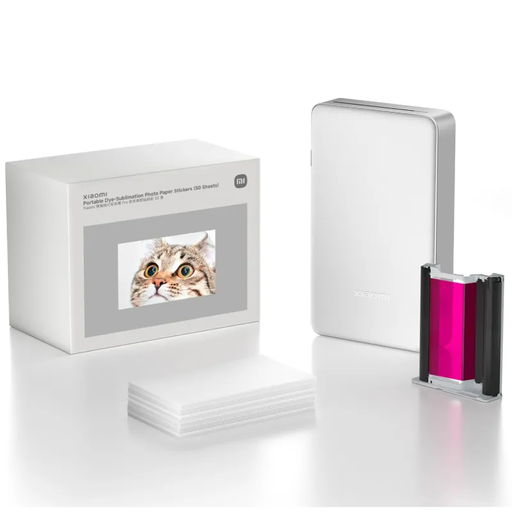
Why This Fits Their Persona: Suits users who prioritise finished photo stickers for journals, memory books, gifts and personal displays rather than general office labelling.
It is a dedicated 50-sheet photo sticker product, so buyers are not relying on ordinary address labels for image-based projects. Confirm printer compatibility before ordering.
Dye-sublimation photo paper in sticker-sheet form and a clearly stated pack quantity of 50 sheets.
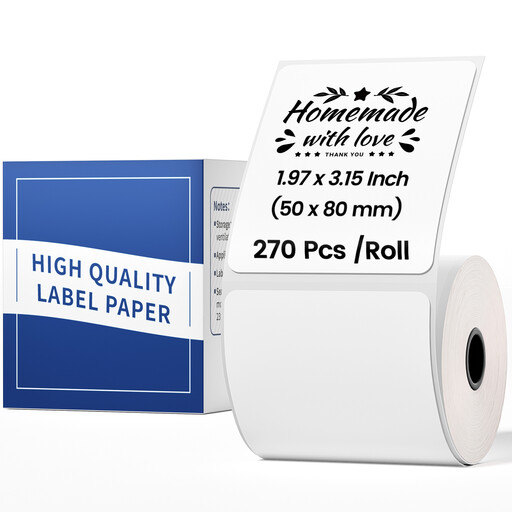
Why This Fits Their Persona: Designed for small retailers, market sellers and home businesses printing package labels, product information, barcodes or price tags in regular batches.
The specific M110 and M220 compatibility and larger 1.96" x 3.14" format help prevent selecting small labels that cannot hold required package or retail information.
White roll format with 100 labels per roll, suitable for barcode, price-tag and package-labelling tasks.
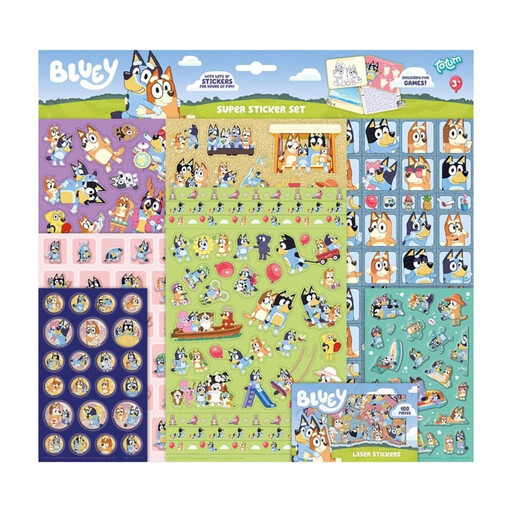
Why This Fits Their Persona: A ready-made option for parents seeking screen-free decorating activities, travel entertainment or children’s sticker sets for notebooks and craft projects.
The pack specifies over 300 stickers and includes flat, puffy and laser styles, making the contents clearer than a listing that only promises a “large” collection.
Includes more than 300 stickers and sticker-based games and activities. The listing states it is suitable for children aged three and over; small parts require adult supervision.
We have compiled a complete, real-time list of products that fully satisfy these strict selection criteria and UK safety regulations.
Thermal printers do not require ink cartridges, which can simplify running costs and maintenance. However, the total cost depends on the printer, roll price, label size and how many labels are wasted. Compare the number of usable labels per roll rather than the pack price alone.
Lifespan varies with the paper, adhesive, surface and storage conditions. Keep unused rolls away from heat, humidity and direct sunlight. For important records or long-term storage, check the product’s stated durability information and consider whether thermal media is appropriate for the intended environment.
Some adhesive sheets and photo sticker paper can be incorporated into scrapbooking, card-making and DIY projects. For craft cutting dies, check the material thickness and whether the adhesive backing can pass cleanly through your cutting machine. Decorative sticker paper is not automatically compatible with every die-cutting device.