
24/7 Customer Support

Free returns

Same-day & Next-day Delivery

Quality Guaranteed

Unlock Your Welcome Offers: FREE Delivery | Up to 80% OFF | Free 30-day JoyPlus trial
Download the APP
Sticky back plastic has become a go-to for anyone in the UK looking to refresh a space without the commitment of paint or the cost of new furniture. From transforming tired kitchen cupboards to creating a stylish feature wall, the possibilities are endless. However, not all self-adhesive vinyl is created equal. A quick and affordable project can easily turn into a frustrating waste of time and money if you fall into a few common traps.
As a Joybuy Product Recommendation Officer, my role is to help you see past the marketing hype. Before you add that promising roll to your basket, let's look at the three most common pitfalls that catch out even savvy DIYers, and how you can sidestep them to get a finish you'll be proud of.
To ensure your project is a success, focus on a few core parameters rather than just the price or pattern. These are the non-negotiables for achieving a durable, professional-looking finish.
The vast majority of sticky back plastic is made from PVC vinyl. The key is its thickness and finish. A thicker vinyl is more forgiving on less-than-perfect surfaces and is more resistant to scuffs and scratches, making it ideal for high-traffic areas or as a furniture wrap. The finish—be it gloss, matte or textured wood effect vinyl—also plays a role. Glossy finishes are easy to wipe clean but can highlight surface imperfections, whereas matte or textured finishes are better at hiding them.
Always check the roll dimensions (width and length) to calculate exactly how much you need. For larger projects using peel and stick wallpaper, it's wise to buy about 10% extra to account for mistakes and pattern matching. Speaking of patterns, look for information on the pattern repeat. This tells you how often the design repeats and is essential for aligning panels seamlessly. For consistent colour, always try to purchase all the rolls you need from the same batch.
Pay close attention to the manufacturer's recommendations. Most self-adhesive vinyl products are designed for smooth, clean and dry surfaces like painted drywall, sealed wood or laminate. Applying them to rough, porous or textured walls will almost certainly lead to poor adhesion and peeling. If you're a renter, look for products specifically marketed as removable wallpaper, as these use an adhesive designed to come off cleanly without damaging the surface.
To help you choose, we've matched some popular options to different user needs, highlighting how they address the common pitfalls.
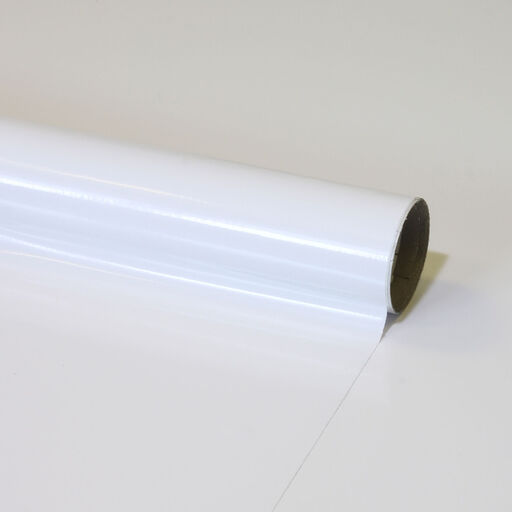
Why This Fits Their Persona: Perfect for those new to DIY or tackling small-scale projects like covering a shelf, a small tabletop or drawer fronts. The manageable roll size minimises waste and makes it an affordable way to experiment with upcycling.
The Fablon brand is well-established, offering a reliable adhesive that sticks well to prepared surfaces, avoiding the "weak adhesive" problem on suitable projects.
The glossy finish is wipe-clean and provides a modern, sleek look. Its standard 45cm width is versatile for covering common furniture dimensions.
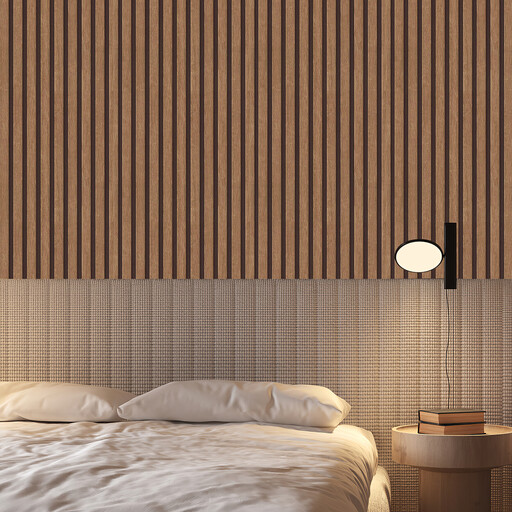
Why This Fits Their Persona: Ideal for someone wanting to create a high-impact feature wall with the on-trend look of wood slat panelling, without the cost and complexity of carpentry. It adds warmth and texture to a living room or home office.
The vertical slat design cleverly avoids the "pattern mismatch" nightmare. As it's a continuous vertical pattern, aligning seams edge-to-edge is far more straightforward than with complex floral or geometric prints.
Made from a durable, wipe-clean premium PVC vinyl that is thicker than many basic rolls, helping to mask minor surface imperfections. The red-toned wood grain adds a warm, modern feel.
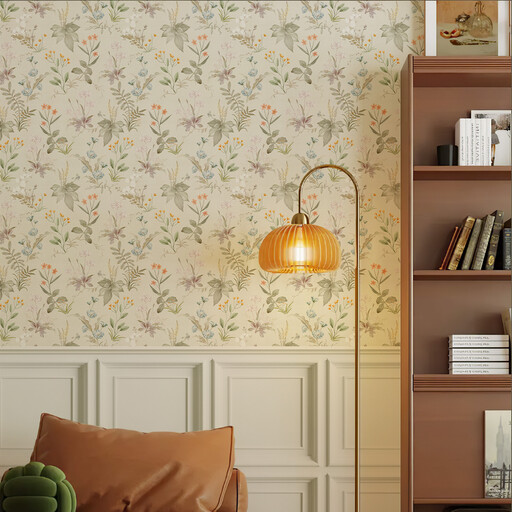
Why This Fits Their Persona: Renters or homeowners who want to create a significant visual change, like a full accent wall, without permanent consequences. The peel-and-stick format is designed for easy application and cleaner removal than traditional wallpaper.
The longer roll length (over 5 metres) reduces the number of seams needed for a full-height wall, minimising the risk of pattern mismatches and creating a cleaner, more continuous look.
The premium PVC vinyl material is durable and wipeable. The backing grid makes straight cuts simple, helping to achieve a professional finish around sockets and skirting boards.
We have compiled a complete, real-time list of products that fully satisfy these strict selection criteria and UK safety regulations.
Yes, kitchen cupboard vinyl is one of the most popular uses for this product. For the best results, ensure your cupboard doors are completely clean, dry and free of grease. Lightly sand glossy surfaces to help the adhesive grip. Choose a durable, wipe-clean vinyl that can withstand the kitchen environment. It is not recommended for use near open flames or on surfaces that get very hot, like cooker splashbacks.
The key is to work slowly and methodically. Start by peeling back only a small section of the backing paper. Apply the exposed adhesive to the surface and use a squeegee or a flat, firm object (like a credit card wrapped in a soft cloth) to smooth it down from the centre outwards. Continue to peel the backing paper away gradually while smoothing the vinyl as you go. If a bubble appears, gently lift the vinyl to release the air and re-smooth.
Generally, yes. Products marketed as removable wallpaper use an adhesive that is designed to be removed without leaving significant residue or damaging the underlying paint, which is ideal for renters. However, the outcome can depend on the quality of the wall surface, the paint underneath and how long the wallpaper has been in place. It's always a good practice to test a small, inconspicuous area first.