
24/7 Customer Support

Free returns

Same-day & Next-day Delivery

Quality Guaranteed

Unlock Your Welcome Offers: FREE Delivery | Up to 80% OFF | Free 30-day JoyPlus trial
Download the APP
Putting up pictures, organising your space or getting creative with crafts often comes with a dilemma: do you reach for the drill and create permanent holes, or risk using an adhesive that might damage your walls? For many, especially those in rented accommodation or who enjoy frequently changing their decor, traditional fixings are not an ideal solution.
The world of sticky fixers offers a practical alternative, but with so many options available—from removable adhesive strips to double-sided sticky pads—choosing the right one can be confusing. This guide is designed to help you understand the different types of adhesive products and select the one that best suits your needs, ensuring your items stay put without the mess or damage.
Before you buy, consider these key factors to ensure you get the right product for the job.
Not all adhesives are created equal, and their performance can vary greatly depending on the surface. Smooth, clean surfaces like painted walls, tiles, glass and finished wood are generally suitable for most adhesive products. However, porous or delicate surfaces like wallpaper, unpainted plaster or brick can be challenging. Always read the product's instructions, as many will specify which surfaces they are designed for and, more importantly, which to avoid.
One of the most critical factors is the weight of the item you intend to hang. A lightweight poster has very different requirements from a framed picture or a small shelf. Every pack of wall mounting pads or strips should clearly state its maximum weight capacity. Exceeding this limit will not only lead to your item falling but could also cause surface damage. For heavier objects, look for products specifically marketed for heavy-duty use.
Consider how long you want the item to be in place.
Here are a few standout options that cater to a range of common household and crafting needs.
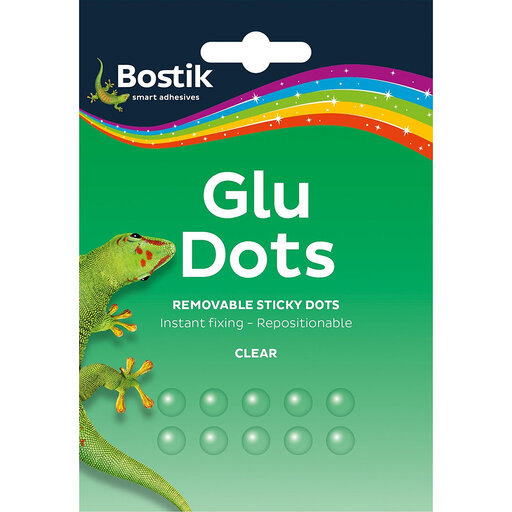
Why It Stands Out: These small, transparent adhesive dots are a game-changer for crafting. They offer a precise, no-mess alternative to liquid glue, allowing for the instant and accurate placement of small items without any drying time.
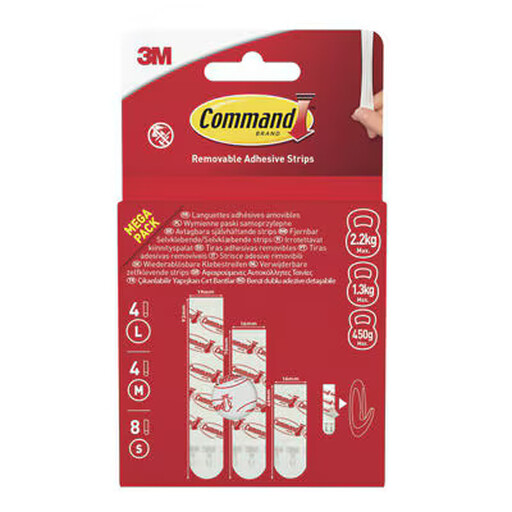
Why It Stands Out: When it comes to damage-free hanging, Command strips are a household name. Using a unique stretch-release technology, they hold strongly yet can be removed cleanly without leaving holes or sticky residue. This pack provides replacement strips for existing Command hooks.
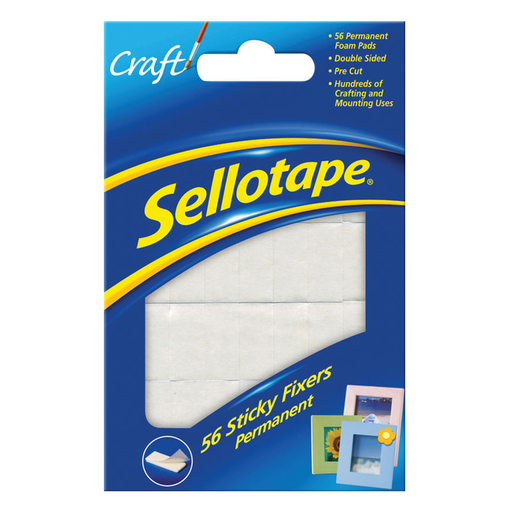
Why It Stands Out: These are permanent, extra-strong foam double-sided sticky pads. Their foam construction allows them to conform to slightly uneven surfaces, creating a secure and lasting bond where removability is not the main concern.
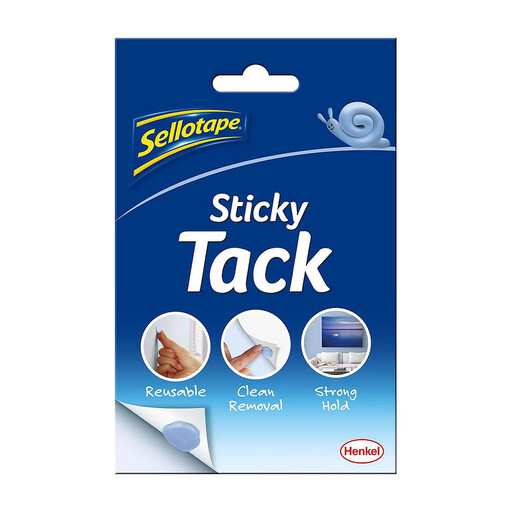
Why It Stands Out: A classic for a reason, this reusable sticky tack is incredibly versatile for lightweight tasks. It's easy to mould, apply and remove, making it perfect for temporary displays of posters, photos and party decorations.
While these four products cover many common uses, the world of adhesives is vast. If your project requires something different, such as heavy-duty wall mounting pads or specialised crafting tapes, there are many other solutions available.
To see a wider selection, feel free to explore our full range of adhesive fastener strips.
This depends entirely on the product and the surface. Adhesives specifically designed for damage-free hanging, like Command strips, are formulated for clean removal from solid, well-painted walls when you follow the instructions. However, permanent foam pads will likely remove paint or damage the wall surface upon removal. Always check the packaging and, if in doubt, test the product on a small, inconspicuous area first.
Weight capacities vary significantly between products. Reusable sticky tack is only suitable for very light items like paper or card. In contrast, certain heavy-duty removable adhesive strips or pads can hold several kilograms. The maximum weight limit is a crucial piece of information and should always be printed on the product's packaging.
Some are, but most are not. Reusable sticky tack is the main exception and can be used over and over again. Most adhesive strips and pads, including damage-free ones, are designed for a single application. Once they are removed, the adhesive is compromised and they cannot be reliably re-stuck.