Choose a rice cooker by the kind of sticky rice you intend to make, your usual batch size and the space available in the shared kitchen. A compact cooker is worth considering for one or two portions; a cooker with several grain programmes makes more sense if you regularly cook different grains. In either case, check the model’s instructions for your rice variety, water quantity and minimum batch before relying on a programme name.
Who is this for?
Solo or couple cooks with little kitchen space
If you usually make one or two portions, a cooker that fits your available worktop and storage space may matter more than capacity for a group meal. Lakeland specifies its 0.5L mini cooker for one or two portions.
Cooks seeking a particular sticky-rice texture
Start by identifying whether you mean glutinous rice or sushi-style short-grain rice. The International Rice Research Institute explains that glutinous rice tends to stick together after cooking; the cooker’s instructions still need to suit the variety you choose.
Shared-meal and meal-prep cooks
If several people will eat from one batch, compare rice quantities and cleaning requirements alongside cupboard space. A cooker with steaming or other programmes may suit a shared meal routine, provided those functions are ones you will use.
What matters when choosing?
Identify the rice and batch size before comparing extra programmes. Then check whether the cooker can be stored, cleaned and used safely in your shared kitchen.
| Concern |
What to check |
Who this matters to |
| Intended sticky texture |
Identify your rice variety, then check the model’s programme, water guidance and minimum batch for it. |
If texture is the deciding factor, I need instructions for the rice I actually cook, not just a generic white-rice setting. Around 40% of consumers put that rice-and-texture match first. |
| Portions and footprint |
Compare minimum and maximum dry-rice quantities with the cooker’s external dimensions; check what its cup or litre figure measures. |
When I mostly cook for one or two, I want enough rice without giving up communal worktop or cupboard space. Roughly 30% of consumers prioritise that fit. |
| Cleaning and timing |
Check the pot, lid and accessories’ cleaning instructions and the documented keep-warm function. |
If meals happen at different times, I need a routine that leaves the cooker ready to clean and put away. Around 20% of consumers place shared-kitchen convenience first. |
| Electrical use |
Confirm the appliance and plug suit UK mains use, inspect the lead and avoid overloading a socket. |
With several appliances competing for shared sockets, I need to know this cooker can be connected and positioned safely. Approximately 10% of consumers make electrical-use checks their primary concern. |
Buying pitfalls
-
Assuming every cooker makes the same kind of sticky rice
Glutinous rice and other rice varieties do not behave identically. The International Rice Research Institute describes glutinous rice as tending to stick together after cooking, so a result demonstrated with another variety cannot establish how your recipe will turn out.
Decide whether you mean glutinous rice or sushi-style short-grain rice, then check the exact cooker manual for the relevant setting, water guidance and minimum batch.
-
Comparing capacity figures without checking what they measure
A litre capacity, a count of rice cups and a portion range need not describe the same quantity. Choosing by the largest-looking figure can leave you with a cooker that takes up more shared space than your usual batch warrants.
Compare the manufacturer’s minimum and maximum dry-rice quantities, its definition of a rice cup and the appliance’s external dimensions.
-
Putting every removable bowl in the dishwasher
Cleaning rules vary by model: nutribullet says the EveryGrain non-stick pot is not dishwasher-safe, while Instant Pot specifies dishwasher-safe pot and accessories for its 2.8L rice cooker and steamer.
Check the instructions separately for the pot, lid and accessories, and hand-wash any component the manufacturer does not approve for dishwasher cleaning.
-
Overloading a shared socket
Home Office fire-safety guidance for shared or rented accommodation advises against overloading sockets and says to use one plug per socket. A damaged lead is another reason not to use an appliance.
Check the cooker’s plug and lead, keep it away from water and combustible materials, and follow its instructions for use, cooling and unplugging before cleaning.
Brands to consider for these cooking needs
Yum Asia
A specialist rice-cooker range that includes the compact Panda and the larger Sakura.
- Yum Asia positions Panda for smaller kitchens, individuals and couples; its Help Centre gives a rice-cooking capacity of 0.6L or 3.5 rice cups.
- Check the manual for the intended rice variety and recipe rather than assuming that a specialist cooker has a suitable programme.
Lakeland
Compact rice-cooker and small multicooker options for buyers comparing limited space with programme choice.
- Lakeland specifies its 0.5L mini rice cooker for one or two portions of white or brown rice and lists a removable non-stick pan.
- Its published rice choices do not establish a dedicated glutinous-rice programme; check the model instructions for your recipe.
nutribullet
The EveryGrain Cooker is a programmable option for households that cook grains beyond rice.
- nutribullet lists white-rice, brown-rice, quinoa and oats presets and specifies batches of one to five supplied scoops.
- The brand says its non-stick cooking pot is not dishwasher-safe; allow for hand-washing in a shared cleaning routine.
Instant Pot
Its 2.8L rice cooker and steamer is a larger option for planned shared meals.
- Instant Pot specifies two to twelve portions for that model and describes its pot and accessories as dishwasher-safe.
- Check its minimum rice quantity and storage dimensions if most meals are single servings.
Rice cookers on Joybuy
These models cover compact rice cooking and larger multifunction options for shared meals. Compare each one against your usual batch, available space and the manual’s guidance for your chosen rice.
 No image available
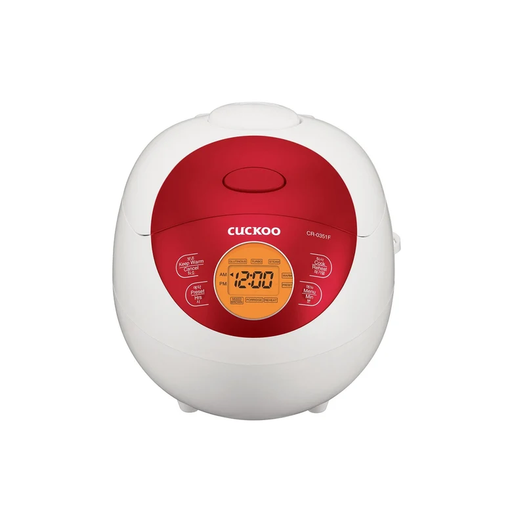
Cuckoo CR-0351F Rice Cooker, 0.54L, white/red
Consider this smaller model if you usually cook modest batches and need to put the cooker away after use.
The product name specifies 3 cups, 425W, fuzzy logic, keep-warm and a timer. Check how its cup measure relates to your minimum batch, and confirm the manual’s glutinous-rice guidance and the unit’s UK plug before use.
View on Joybuy
 No image available
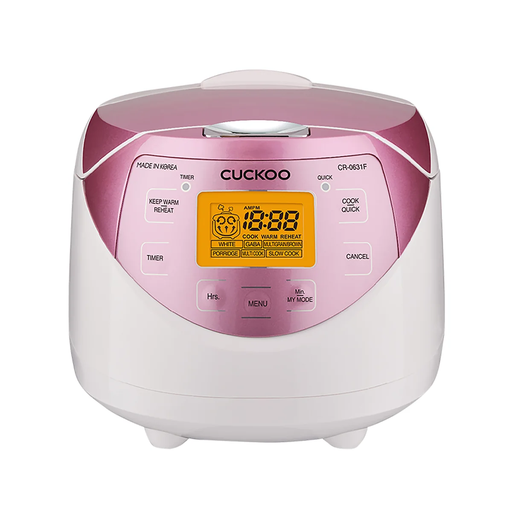
Cuckoo CR-0631F Rice Cooker, 1.08L, white/pink
Consider this capacity if you regularly cook more than a small individual batch but still want a dedicated rice cooker.
The product name specifies 6 cups, 580W, fuzzy logic, keep-warm and a timer. Compare the manual’s minimum rice quantity with your usual portion, and check its guidance for the rice variety and UK plug you intend to use.
View on Joybuy
 No image available
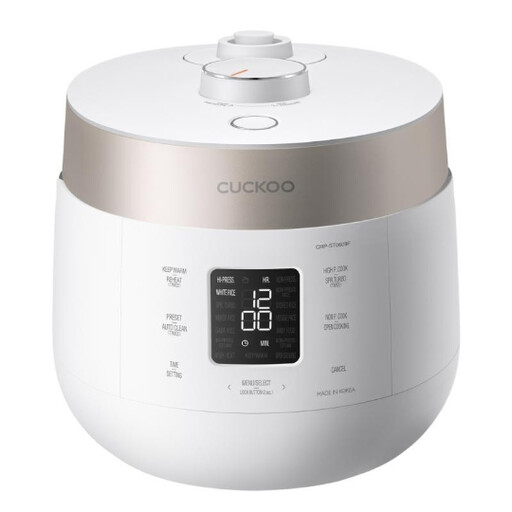
CUCKOO CRP-ST0609F Twin Pressure Rice Cooker, 1.08L, white
This is an option to assess if you cook shared batches and want pressure-cooking choices as well as rice cooking.
The product name specifies 6 cups and 850W. Before choosing it for sticky rice, check the exact pressure-mode and water instructions; also confirm UK electrical compatibility and how the pot and cover must be cleaned.
View on Joybuy
 No image available
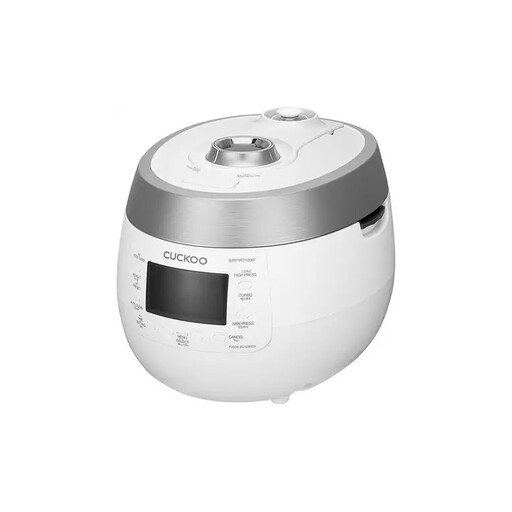
CUCKOO CRP-RT1008F Twin Pressure Rice Cooker, 1.8L, white
Consider this larger pressure-cooker format only if its batch range and storage footprint suit the people sharing the kitchen.
The product name lists 10 cups, 1150W and 15 programmes; the stated 1.8L is cavity volume, not a dry-rice quantity. Check the manual for minimum and maximum rice amounts, your intended recipe and pressure-release instructions, as well as the unit’s UK plug.
View on Joybuy
 No image available
Xiaomi MFB120A-2 Rice Cooker and Multicooker, 3L
This is a multifunction option to consider when several people will use the cooker, rather than when the smallest possible batch and footprint are the priority.
The product name describes it as suitable for two to six people and specifies a non-stick, digital design. Check the minimum dry-rice quantity, instructions for your sticky-rice variety, cleaning rules and UK electrical compatibility before buying.
View on Joybuy
Frequently asked questions
Do I need a dedicated sticky-rice button?
Not necessarily: first match the cooker’s instructions to the rice variety and recipe you intend to use. The International Rice Research Institute notes that glutinous rice tends to stick together after cooking, but a generic white-rice programme alone does not establish the right water quantity or batch size for it.
What size rice cooker suits one or two people in a shared kitchen?
Start with a model whose stated minimum and maximum rice quantities cover your usual one- or two-person batch. Lakeland specifies its 0.5L mini cooker for one or two portions; if you are considering a larger model, compare dry-rice quantities and external dimensions rather than litre figures alone.
Can I leave a rice cooker running while I leave the shared flat?
Do not treat an automatic programme or keep-warm setting as permission to leave cooking unmanaged. Follow the appliance manual and your accommodation’s rules; Home Office guidance for shared or rented accommodation also advises against overloaded sockets and recommends one plug per socket.
Which parts should I clean after cooking?
Clean the cooking components according to your model’s instructions, let the appliance cool and keep the electrical base out of water. Dishwasher rules differ: Instant Pot specifies dishwasher-safe pot and accessories for its 2.8L rice cooker and steamer, whereas nutribullet says the EveryGrain non-stick pot is not dishwasher-safe.


