
24/7 Customer Support

Free returns

Same-day & Next-day Delivery

Quality Guaranteed

Unlock Your Welcome Offers: FREE Delivery | Up to 80% OFF | Free 30-day JoyPlus trial
Download the APP
Stocking up on water seems straightforward, but the aisles are filled with options that can be confusing and costly. Buying a still water multipack is a practical choice for UK households and businesses, ensuring you always have hydration on hand. However, navigating marketing claims and packaging formats can lead to paying a premium for features you may not need.
As the Joybuy Product Recommendation Officer, my role is to help you see past the hype. Here are three common pitfalls to be aware of before you buy, ensuring you get the right water for your needs and budget.
The terms "Mineral," "Spring" and "Natural" are often used interchangeably, but they have distinct meanings under UK regulations.
Understanding these differences helps you decide if a premium price for a specific mineral water multipack is justified by its consistent composition, or if the pure taste of spring water is what you're after.
Nearly all PET plastic bottles sold in the UK are 100% recyclable. While this is a positive attribute, it has become a standard feature rather than a premium one. A more meaningful measure of a brand's environmental commitment is the percentage of recycled material (rPET) used in its bottles or its use of alternative packaging. For those looking to reduce plastic, formats like a water box 10L or canned still water offer a significant reduction in plastic waste per litre.
Water sourced from remote volcanic islands or ancient glaciers often comes with a compelling story and a higher price tag. While the unique filtration journey can create a distinct taste, it's worth considering if the difference is noticeable enough for your daily hydration needs. Often, high-quality water from protected UK sources offers a comparable level of purity and taste without the associated cost and carbon footprint of long-distance shipping.
To make an informed choice, focus on these core parameters instead of marketing slogans.
The taste of water is determined by its mineral content, often measured as Total Dissolved Solids (TDS).
Check the label for the mineral composition, paying attention to levels of calcium, magnesium and sodium to find a profile that suits your palate.
Consider how and where you will be using the water. A large water bottles pack isn't a one-size-fits-all solution.
The most reliable way to compare value when buying bulk bottled water is to calculate the cost per litre. A larger initial outlay for a bigger pack often translates to significant savings over time. Simply divide the total price by the total volume in litres to see which option is truly the most economical.
Here are a few options that align with different needs, helping you sidestep the common purchasing traps.
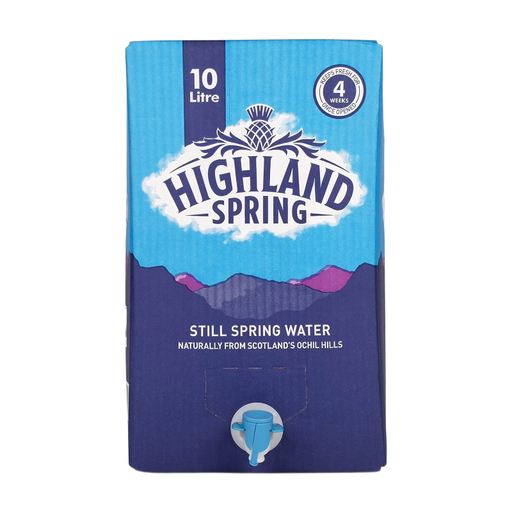
Why This Fits Their Persona: This water box 10L format is ideal for a busy family. It provides a large volume of quality UK spring water, fits neatly in the fridge or on a countertop, and the easy-to-use tap is convenient for everyone to use.
It moves beyond the basic "recyclable" claim by using a bag-in-box design that significantly reduces plastic packaging compared to the equivalent volume in bottles.
Excellent value per litre. Sourced from protected organic land in Scotland. The box format is easy to store and dispense from.
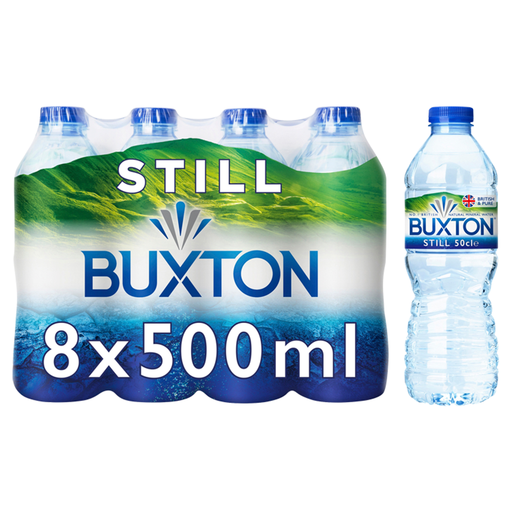
Why This Fits Their Persona: This mineral water multipack offers a reliable and convenient option. The 500ml bottles are the perfect size for carrying in a work bag or taking to the gym, providing consistent hydration throughout a busy day.
It avoids the "exotic source" premium by offering high-quality Natural Mineral Water from a trusted UK source in the Peak District, providing great taste without unnecessary cost.
Convenient 500ml size for portability. Sourced and bottled in the UK. A balanced mineral content suitable for everyday refreshment.
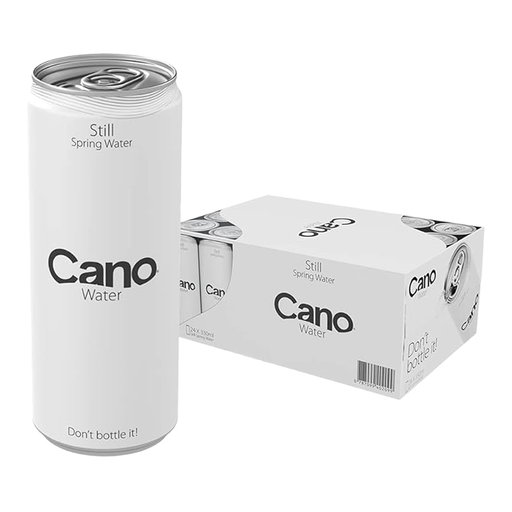
Why This Fits Their Persona: For those prioritising sustainability without sacrificing style, this canned still water is an excellent choice. The aluminium cans are plastic-free and infinitely recyclable, making them ideal for gatherings, events or simply stocking a modern, eco-aware home.
This product directly counters the "recyclable plastic" trap by offering a genuinely different, highly sustainable packaging material. Aluminium has a high recycling rate in the UK.
Infinitely recyclable aluminium can. Water stays cooler for longer. Sourced from a UK spring with a balanced pH of 7.8.
We have compiled a complete, real-time list of products that fully satisfy these strict selection criteria and UK safety regulations.
One is not inherently better than the other; they are simply different. Natural Mineral Water is defined by its stable and specific mineral content from a protected source. Spring water also comes from a protected underground source but its mineral levels can vary. The choice comes down to personal preference for taste and whether you seek a consistent mineral profile.
If stored correctly in a cool, dark place away from strong odours or chemicals, unopened bottled water is safe to drink indefinitely. The "Best Before" date on the packaging refers to optimal taste quality, not safety. Once a bottle is opened, it is advisable to consume it within a few days. For larger formats like a water box 10L, the vacuum-sealed tap helps maintain freshness for several weeks after opening.
Yes, in most cases. Purchasing a case of still water or a large-format multipack typically offers a lower cost per litre than buying individual bottles. It is an effective way to manage household expenses on an everyday essential while reducing the frequency of shopping trips.