
24/7 Customer Support

Free returns

Same-day & Next-day Delivery

Quality Guaranteed

Unlock Your Welcome Offers: FREE Delivery | Up to 80% OFF | Free 30-day JoyPlus trial
Download the APP
By Joybuy Product Recommendation Officer
Stir-fried noodles can be a convenient lunch, late-night snack or quick family dinner, but the large choice of flavours, formats and pack sizes can make shopping unnecessarily confusing. The difference between dried instant noodles, pre-steamed yakisoba and ready meals affects preparation time, texture, storage and value.
Before adding a pack to your basket, look beyond attractive flavour descriptions. A few practical checks can help you avoid buying noodles that are unsuitable for your diet, too salty for regular eating or inconvenient for your kitchen setup.
Some instant stir-fried noodles are simply boiled, drained and mixed with seasoning. Others, such as Japanese yakisoba or Cantonese-style noodles, are intended for a frying pan or wok. A product labelled fried noodles does not necessarily mean you must fry the noodle block.
Check the preparation method before buying. Cup and box formats may only need hot water, while fresh-style or pre-steamed noodles generally need pan-frying with vegetables, meat, seafood or sauce.
A 250g meal kit, a 123g bowl and a 40-pack of 80g portions serve very different purposes. Some larger packs include sauce, vegetables or multiple servings, while a single pack may contain several seasoning sachets but still be intended for one person.
For students and office lunches, individual portions are easy to manage. Families and regular noodle eaters may find noodle multipacks more practical, but check the number of servings rather than relying only on the total gram weight.
Many Asian instant noodles contain wheat, soya or sesame, while seafood noodles may also contain oyster, fish, shrimp or other molluscs. Recipes can also include celery, egg or milk. Always read the current packaging, particularly if buying for someone with an allergy.
Salt and saturated fat can vary considerably between products. For example, the listed nutrition information for Indomie Mi Goreng Original shows 4.0g of salt per 100g, while Ma Yi’s Cantonese-style noodles contain 1.42g per 100g before sauces and added ingredients. These figures are not directly equivalent meals, but they demonstrate why the nutrition panel matters.
For a fast meal, look for clear instructions such as “cook for 3 minutes”, “add boiling water” or “microwave for 90 seconds”. Nissin UFO formats require draining before the sauce is mixed in, while ready meals such as Ben’s Original Street Food Chinese Chow Mein are designed for microwave heating.
If you want to cook from scratch, choose noodles that can be combined with your own ingredients. Ma Yi’s Cantonese-style noodles require boiling for around 2–3 minutes, rinsing and then stir-frying. Itsuki Yakisoba includes three 170g portions, sauce and seaweed powder for a more complete pan-fried meal.
Texture is influenced by the noodle type and preparation. Springy wheat noodles are commonly used for Japanese yakisoba and many instant noodle products. Wider or thicker noodles can provide a chewier bite and may work well with robust sauces. Rice noodles, such as those in the Xinjiang fried noodle kits, offer a different texture and are suitable for shoppers avoiding wheat noodles, although the sauce may still contain soya and wheat.
Pre-steamed noodles can save time, while dried noodles are generally easier to store for longer periods. Follow the packet directions rather than overcooking, as drained noodles may become soft when finished in a pan.
Choose the flavour around how you intend to eat the noodles:
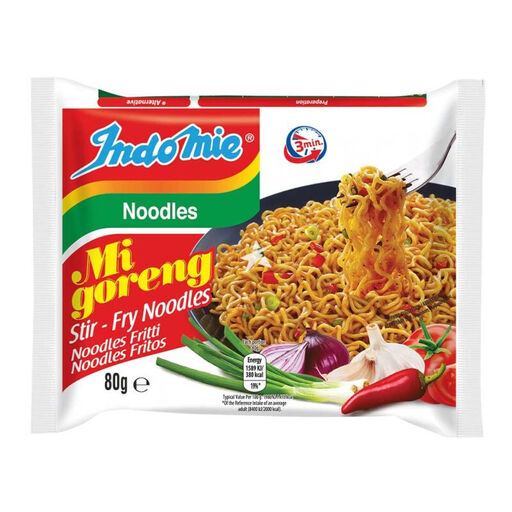
Why This Fits Their Persona: A single 80g portion suits students, first-time buyers and shoppers wanting a quick cupboard staple without committing to a large multipack.
The listed instructions clearly explain boiling, draining and mixing the seasoning, so it is not mistaken for a pan-fry-only product.
Includes seasoning powder, sweet soya sauce, oil and fried shallots. Contains wheat, soya and celery.
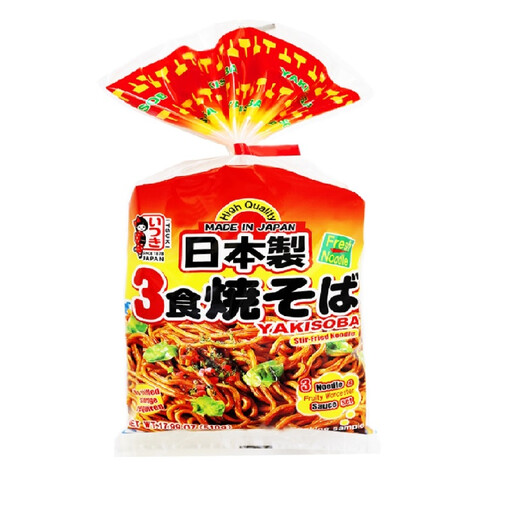
Why This Fits Their Persona: A three-serving set is suitable for shoppers who prefer cooking Japanese yakisoba in a wok or frying pan with fresh vegetables and protein.
The pack states that it contains three 170g servings, avoiding uncertainty over how many meals the larger outer pack provides.
Includes sauce and aonori seaweed powder. The noodles are pre-steamed and designed for a 2–3 minute stir-fry.
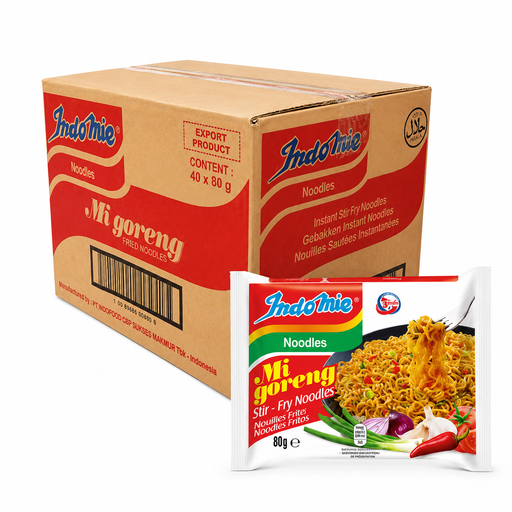
Why This Fits Their Persona: Forty individual portions suit shared student accommodation, busy households, office cupboards and regular pantry stocking.
The product listing specifies eight packs per bag and five bags per box, making the total quantity clear before purchase.
Each pack is 80g and includes seasoning sachets. Store in a cool, dry place and check the stated allergen information.
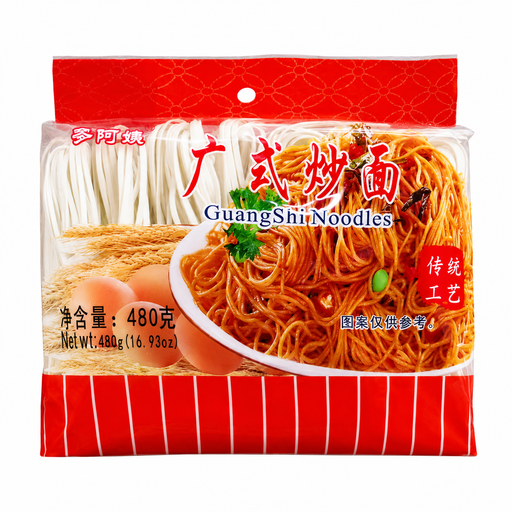
Why This Fits Their Persona: A 480g pack gives home cooks a flexible base for Chinese stir-fried noodles with vegetables, egg, meat or seafood.
The instructions explain boiling, rinsing and optional blanching, helping prevent soggy noodles during the final stir-fry.
Firm wheat noodles with a listed 480g net quantity. Contains wheat and is intended to be cooked before eating.
Keep unopened Asian instant noodles and dry fried noodles in a cool, dry place, away from direct sunlight and moisture. Once opened, transfer loose noodles to an airtight container where the packaging advises this.
Use a large enough pan or wok to avoid overcrowding. Cook meat and seafood thoroughly before adding noodles, and add fresh vegetables towards the start so they soften without releasing excessive water. For instant formats, drain well before adding seasoning; excess water can dilute the sauce and alter the intended texture.
Always check the best-before date and current label, as ingredients, allergen declarations and preparation instructions may change.
We have compiled a complete, real-time list of products that fully satisfy these strict selection criteria and UK safety regulations.
Not always. Yakisoba is a Japanese-style preparation usually made with springy wheat noodles, sauce and stir-fried ingredients. “Stir-fried noodles” is a broader description that can include Cantonese noodles, Mi Goreng noodles, dry-tossed instant noodles and regional fried noodle kits.
Many individual packs take around three minutes in boiling water, followed by draining and mixing. Some box products require hot-water steeping, while ready meals may need around 90 seconds in an 800W microwave. Always follow the instructions on the specific product.
Check the ingredients first. A meat-flavour or seafood-flavour product may contain oyster, fish, shrimp or other animal-derived ingredients, even if no pieces are visible. For a vegetarian meal, choose a clearly suitable product and add vegetables, tofu or egg only where appropriate for your dietary requirements.