
24/7 Customer Support

Free returns

Same-day & Next-day Delivery

Quality Guaranteed

Unlock Your Welcome Offers: FREE Delivery | Up to 80% OFF | Free 30-day JoyPlus trial
Download the APP
For many of us, a quick noodle meal is the perfect solution for a busy weeknight, a student study session or a fast office lunch. But as the UK's appetite for authentic East Asian cuisine has grown, so has the frustration with lacklustre instant noodles. If you've ever been disappointed by a packet of stir fry instant noodles that promised the world but delivered a bland, soggy meal, you are not alone.
As a Joybuy Product Recommendation Officer, my role is to help you navigate the crowded shelves and identify the products that deliver on their promise. Many shoppers find themselves caught in a few common traps when buying dry instant noodles. Let's look at how to avoid them.
To ensure you get a satisfying meal, focus on a few core parameters rather than just the marketing claims on the front of the pack.
The foundation of any good dry instant noodle dish is the noodle itself. The texture determines how well it carries the sauce and contributes to the overall eating experience.
The sauce is what defines the dish. To find an authentic flavour, look past the name and check the seasoning's ingredients.
The right format depends on your lifestyle.
Based on these practical criteria, here are a few recommendations tailored to different preferences and needs.
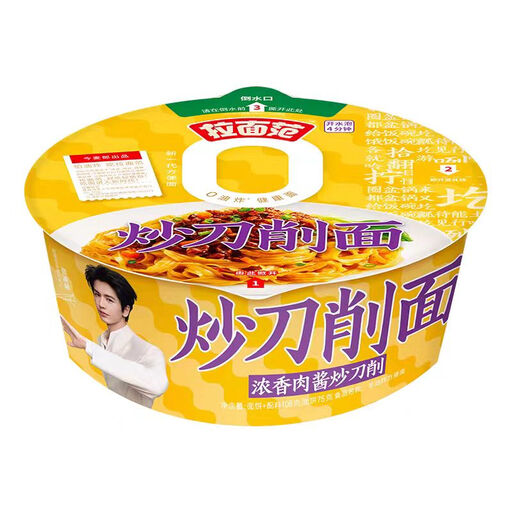
Why This Fits Their Persona: The all-in-one bowl format is perfect for a quick, mess-free lunch at a desk or in a student hall. It requires only boiling water and is ready in minutes, fitting perfectly into a packed schedule.
It directly counters the "mushy noodle" problem by using broad, knife-cut noodles that are specifically designed to have a satisfyingly chewy texture and hold up well after draining.
The combination of a rich, savoury meat-flavoured sauce and substantial noodles offers a more filling and texturally interesting meal than standard thin instant noodles.
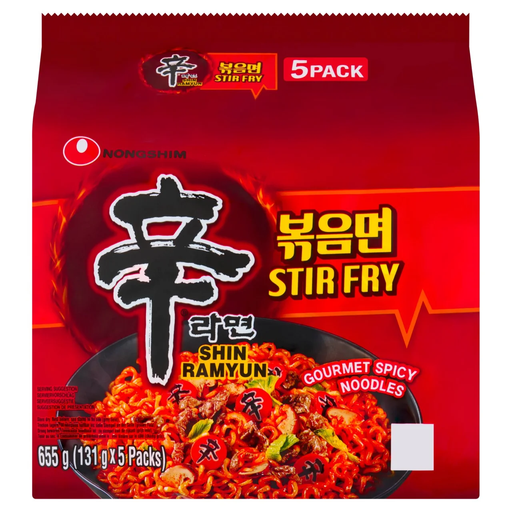
Why This Fits Their Persona: For those who seek a genuine, satisfying heat in their Korean spicy noodles. This Nongshim stir fry version provides the brand's signature spicy and savoury flavour in a non-soup format, perfect for a fiery and flavourful meal.
It avoids the "inconsistent spice" trap by delivering a robust, well-balanced heat that is flavourful, not just punishing. The spice is integrated with savoury notes, offering depth beyond a simple burn.
It offers the globally recognised Shin Ramyun flavour in a stir-fry format. The product is also Halal certified, making it accessible to a wider audience.
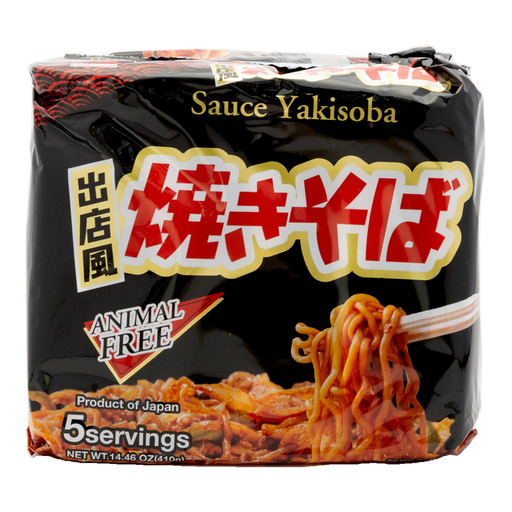
Why This Fits Their Persona: Ideal for someone who wants to replicate the classic taste of Japanese street food at home. This multi-serving pack is perfect for family meals or for those who appreciate the specific savoury-sweet profile of authentic yakisoba noodles.
This product avoids the "inauthentic flavour" pitfall by using a powdered sauce with a specific ingredient blend, including mustard, designed to mimic the classic yakisoba taste, rather than a generic "stir-fry" flavour.
The five-serving pack offers great value and a reliable flavour base for home cooking. It's a simple way to enjoy a specific Japanese dish without needing to buy multiple sauce ingredients.
We have compiled a complete, real-time list of products that fully satisfy these strict selection criteria and UK safety regulations.
1. Can I add my own ingredients to stir-fry instant noodles? Yes, absolutely. These noodles serve as an excellent base. For a more complete meal, try adding stir-fried vegetables like cabbage, carrots and onions, or top with a fried egg. Cooked proteins such as chicken, beef or prawns also work very well. Add them after you have mixed the noodles with the provided sauce.
2. What is the difference between 'dry' and 'stir-fry' instant noodles? In the context of instant noodles, the terms are largely interchangeable. Both refer to a non-soup meal where you cook the noodles, drain the water, and then mix in a sauce packet. While 'stir-fry' might traditionally imply an extra step of frying the noodles and sauce in a pan, most instant versions are designed as a simple instant mixed noodles dish prepared in a bowl.
3. How do I prevent my noodles from becoming soggy? The key is to follow the cooking time on the packet precisely, as over-boiling is the primary cause of mushy noodles. Draining the water thoroughly is also crucial. Some instructions suggest keeping a tablespoon or two of the starchy noodle water to help create a smoother, more emulsified sauce when you mix everything together. This can prevent the sauce from being too dry or oily.