
24/7 Customer Support

Free returns

Same-day & Next-day Delivery

Quality Guaranteed

Unlock Your Welcome Offers: FREE Delivery | Up to 80% OFF | Free 30-day JoyPlus trial
Download the APP
From a hearty winter stew to a light summer soup, the right stock or broth forms the foundation of countless delicious meals. Yet, the supermarket aisle presents a bewildering array of options: stock cubes, pots, liquid cartons and powders, all promising to elevate your cooking. Choosing incorrectly can lead to dishes that are overly salty, disappointingly bland or simply a waste of money.
As the Joybuy Product Recommendation Officer, my role is to help you navigate this landscape. We will look past the marketing hype to identify the common pitfalls and focus on what truly matters for your home cooking, ensuring you select a product that genuinely enhances your food.
Before you add anything to your basket, be aware of these frequent issues that can trip up even experienced home cooks:
To make an informed choice, focus on these three core parameters. They will help you match the right product to your recipe, dietary needs and budget.
The physical form of the product dictates its use and storage.
A quick look at the label can tell you everything you need to know.
While a general-purpose vegetable stock is a versatile workhorse, certain dishes demand a specific flavour profile. Using a generic stock for a dish like tonkotsu ramen will not yield the authentic, creamy taste you expect. For these meals, seek out a purpose-made ramen broth or a concentrated Japanese soup base to achieve the right balance of flavours.
Based on the criteria above, here are several options suited to different types of home cooks in the UK.
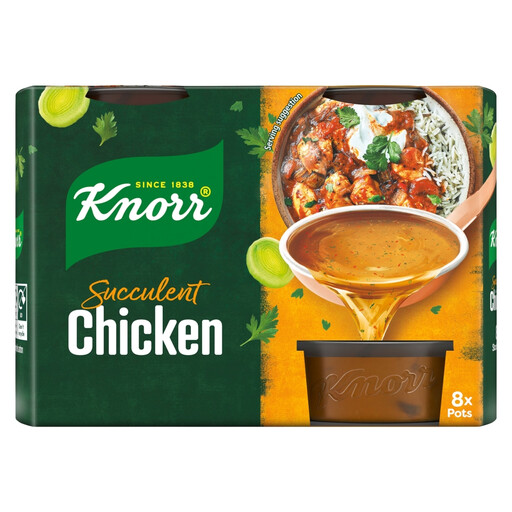
Why This Fits Their Persona: These stock pots are incredibly convenient for everyday meals like casseroles, risottos and soups. The pre-portioned pots ensure consistent flavour and reduce waste, making them a reliable staple for busy households.
It sidesteps the "format mismatch" trap. Unlike a large carton, you only use what you need. The gel concentrate also provides a richer, less one-dimensionally salty flavour than some basic cubes.
Gluten-free and contains no artificial colours or preservatives. The pots dissolve instantly in hot water or directly into a pan for a quick flavour boost.
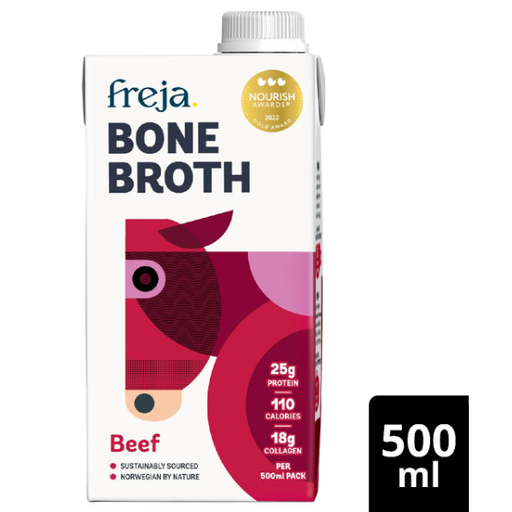
Why This Fits Their Persona: This broth is ideal for those seeking clean ingredients and nutritional value. It can be sipped on its own as a nourishing drink or used as a high-quality base for soups and stews, with a focus on natural components.
It avoids the "vague bone broth" trap by clearly stating its protein (20g) and collagen (17g+) content per pack. The ingredients list is simple and recognisable, not padded with flavour enhancers.
Made from sustainably-sourced, pasture-fed Norwegian cows and is free from gluten, dairy and yeast. It has a long, 2-year shelf life, making it a convenient pantry item.
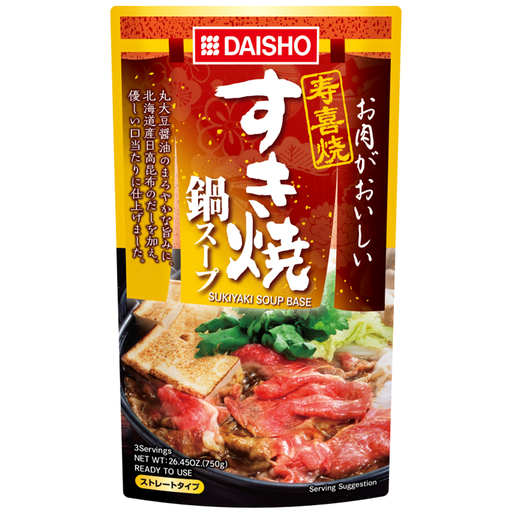
Why This Fits Their Persona: For anyone wanting to create an authentic Japanese hot pot at home, this soup base is the perfect shortcut. It provides the specific sweet and savoury flavour profile that is the hallmark of sukiyaki.
This product directly counters the "format mismatch" trap. Using a generic beef stock would fail to replicate the authentic taste. This purpose-made base ensures a successful and delicious result.
Expertly blended with soy sauce, sugar and mirin for a harmonious balance of flavours. The large 750g bottle is great for family meals or entertaining guests with a hot pot night.

Why This Fits Their Persona: For those who love the convenience of a classic stock cube but want to manage their sodium intake, this is an excellent choice. It delivers that familiar, rich beef flavour for stews and gravies with less salt.
This product directly addresses the "natural flavour illusion" trap, where high salt content is the dominant taste. By reducing the salt, it allows the cook to season their dish more precisely.
Contains 25% less salt than standard OXO beef stock cubes. This gives you greater control over the final seasoning of your meal, making it a healthier choice for family cooking.
We have compiled a complete, real-time list of products that fully satisfy these strict selection criteria and UK safety regulations.
Traditionally, stock is made by simmering animal bones for an extended period, which extracts gelatin and results in a product with a richer body and mouthfeel. Broth is typically made by simmering meat (and sometimes vegetables) for a shorter time and is usually lighter in texture. In today's commercial market, the terms are often used interchangeably. The most reliable way to know what you are getting is to check the ingredients list and nutritional information.
Always refer to the instructions on the packaging. As a general rule, once a carton of liquid stock or broth is opened, it should be kept in the refrigerator and consumed within 3 to 4 days. For any leftovers, a great tip is to pour the liquid into an ice cube tray and freeze it. This gives you convenient, pre-portioned stock cubes for future use.
While you technically can, it is unlikely to produce an authentic flavour. A proper ramen broth is a complex creation, often built on a foundation of dashi (a Japanese stock made from kelp and bonito flakes), soy sauce (shoyu), miso or pork bones (tonkotsu). Using a standard beef stock cube will miss these crucial flavour notes. For a much better result, it is advisable to use a dedicated ramen soup base.