
24/7 Customer Support

Free returns

Same-day & Next-day Delivery

Quality Guaranteed

Unlock Your Welcome Offers: FREE Delivery | Up to 80% OFF | Free 30-day JoyPlus trial
Download the APP
Stock cubes are a convenient cupboard staple for UK households, adding savoury flavour to soups, stews, casseroles, gravies, sauces, pies and risottos. However, choosing the right pack is not only about the brand or the flavour shown on the front. Serving size, salt content, allergens and preparation instructions can all affect whether a product suits your kitchen.
A box may contain eight cubes, 12 cubes or several stock pots, but each product can be designed for a different volume of liquid. For example, some cubes are prepared with around 190ml of boiling water, while others are intended for 450ml or 500ml. A larger-looking pack does not automatically offer more usable stock.
Check the net weight, number of portions and recommended water volume before comparing prices. This gives a clearer idea of how much cooking stock for soups and stews you are actually buying.
Chicken stock cubes, beef stock cubes and lamb stock cubes can contain different quantities of meat ingredients, fats, flavourings, yeast extract and vegetables. Some products may also include allergens such as wheat, barley, milk, celery or soya.
If you have a food allergy or follow a vegetarian or vegan diet, always read the current packaging rather than relying only on the product name. Recipes and formulations can change.
Stock products are concentrated, so the salt level per prepared portion matters more than the nutrition figures per 100g of the dry product. A reduced-salt stock cube may be useful if you want greater control over seasoning, but it may still contain a significant amount of salt.
You can also adjust the strength by adding more water, using only part of a cube or balancing the dish with unsalted ingredients. Follow the label first, then adapt the quantity to the recipe.
Match the stock to the main ingredients:
A vegetable stock may work in meat-free meals, while a meat-based cube is not suitable for vegetarian or vegan cooking. Check the suitability statement and allergen panel.
Traditional stock cubes are dry, compact and often individually wrapped. They are convenient for storing in a cupboard and can be crumbled directly into a dish. Stock pots contain concentrated stock in a soft or gel-like format and are generally designed to be stirred into a recipe.
Stock pots can dissolve readily in hot dishes, but check whether the pack recommends adding one directly or mixing it with a specified volume of water. For batch cooking, compare the number of portions rather than the number of units alone.
Look for:
“Gluten-free stock” should be confirmed on the product label. For example, the Knorr beef, lamb and chicken stock products listed below are described as gluten-free, while several OXO products contain wheat or barley.

Why This Fits Their Persona: A familiar 12-cube format for everyday family cooking, from soups and casseroles to pies and sauces.
The pack clearly states that one cube is dissolved into 190ml of boiling water, making portion planning more straightforward.
Individually foil wrapped; suitable for soups, casseroles and pies. Contains wheat, so check the allergen information.
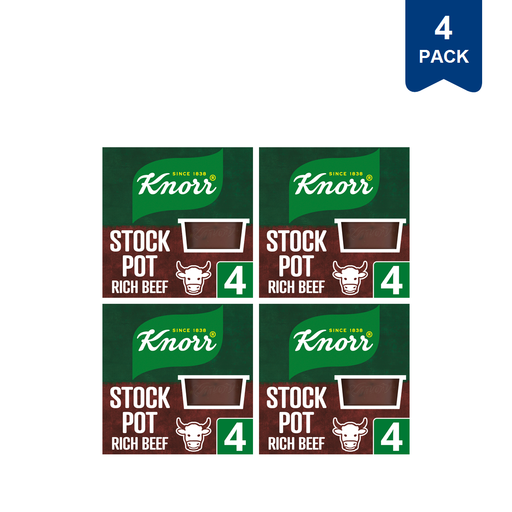
Why This Fits Their Persona: A concentrated stock pot format for shoppers who want a rich beef base for pies, gravies, sauces and stews.
The instructions distinguish between a standard 500ml stock and a lighter 750ml preparation, helping you control concentration.
Gluten-free according to the supplied product information; pack contains four 112g packs. Contains milk, so review the label before serving.
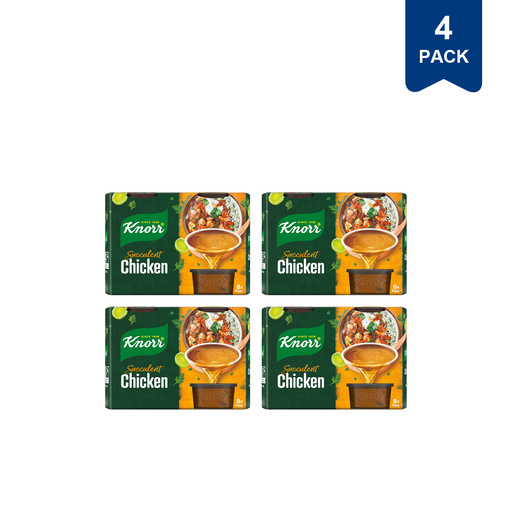
Why This Fits Their Persona: Designed for regular batch cooking, making it practical for families, meal preparation and frequent casserole recipes.
The listing specifies eight 28g stock pots and gives a 500ml preparation guide, reducing confusion over pack quantity.
Gluten-free according to the product information; no allergens are listed. Suitable for chicken risotto, casseroles and soups.
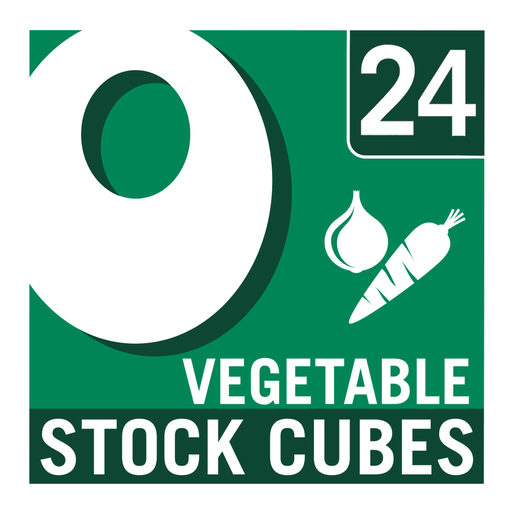
Why This Fits Their Persona: A vegetable option for vegan and vegetarian dishes, including soups, stews, gravies, pasta and casseroles.
The product information identifies it as suitable for vegetarians and vegans, while the allergen details flag wheat and barley clearly.
Preparation guidance uses one cube in 190ml of boiling water; individually wrapped cubes are convenient for cupboard storage.
We have compiled a complete, real-time list of products that fully satisfy these strict selection criteria and UK safety regulations.
For a quick sauce or gravy, dissolve the recommended quantity in boiling water before adding it to the pan. To season mince, vegetables or a casserole, crumble a cube directly into the ingredients and mix thoroughly. Stock pots can usually be stirred straight into hot dishes.
When cooking for children or anyone sensitive to salty flavours, begin with less than the suggested amount and taste before adding extra seasoning. Keep the product sealed and stored in a cool, dry cupboard, following the shelf-life guidance on the packaging.
It depends on the product. OXO examples commonly specify 190ml of boiling water per cube, while some Knorr stock cubes or pots use 450ml to 500ml. Always follow the preparation instructions printed on the pack.
Some vegetable stock cubes are suitable for both vegetarians and vegans, but not all stock products are. Meat-derived ingredients, milk, wheat or barley may also affect suitability. Check the product description and current packaging before buying.
Yes. Reduced-salt stock cubes contain less salt than the standard version stated on the product label, but they still contribute to the total salt in a meal. Taste the dish before adding additional salt, sauces or seasoning.