
24/7 Customer Support

Free returns

Same-day & Next-day Delivery

Quality Guaranteed

Unlock Your Welcome Offers: FREE Delivery | Up to 80% OFF | Free 30-day JoyPlus trial
Download the APP
Stock cubes and gravy granules can turn a basic soup, casserole or roast dinner into a more flavourful meal in minutes. However, the choice is not simply about picking the largest pack or the product with the most persuasive front-of-pack wording. Salt levels, allergens, dietary suitability and preparation ratios can all affect whether a product works well in your kitchen.
This guide explains the practical details to check before buying, from beef stock cubes and chicken stock cubes to vegetarian gravy, onion gravy, stock pots and ramen soup base.
A product described as “vegetable” may not automatically be suitable for vegans or vegetarians. Check the full ingredients and allergen statement. Some products contain milk, chicken fat, beef extract, fish-based ingredients or animal-derived flavourings.
For example, a vegetarian gravy may contain wheat, barley or soya, while a ramen soup base can include soya beans, wheat or fish-derived seasonings. If you are cooking for guests, read the label rather than relying on colour coding or the dish shown on the packaging.
Preparation strengths vary considerably. One chicken stock cube may be designed for approximately 190ml of water, while a lamb stock cube may be intended for around 450ml. A stock pot may dissolve into 500ml, with a larger volume recommended for a lighter stock.
Using too little water can make a dish excessively salty; using too much can leave a thin, under-seasoned result. Always compare the recommended dilution before judging pack size or value.
Stock products are concentrated cooking stock seasoning, so salt can be high per 100g even when the prepared portion appears small. Oxo Beef Stock Cubes list 0.95g of salt per 100ml prepared stock, while Knorr Rich Beef Stock Pot lists 0.82g per 100ml prepared stock. These figures are useful for comparing products, but your final recipe may contain additional salt from sauces, meat, cheese or processed ingredients.
Check for highlighted allergens such as wheat, gluten, barley, celery, milk, soya, sesame and fish. Packaging should always be treated as the final source of current ingredient information.
Choose the format that matches how you cook:
Before ordering, calculate how many meals the pack can produce. A multipack may offer better cupboard coverage, while a smaller packet may be more suitable if you are trying a new flavour.
For a meat-based result, look for the named ingredient in the list, such as beef extract, chicken fat, lamb or concentrated meat stock. This does not necessarily indicate a stronger taste, but it helps clarify what the product contains.
For meat-free cooking, look for a clearly stated vegetarian or vegan suitability claim and review the allergen panel. Oxo Vegetable Stock Cubes are described as suitable for vegetarians and vegans, while Knorr Vegetable Stock Pots list celery as an allergen. Bisto Onion Gravy Granules are presented as suitable for vegetarians and vegans, but contain wheat and soya.
A good cupboard staple should have clear instructions. Check whether the product is added directly to the pan, crumbled over ingredients or dissolved in boiling water. For instance, Bisto Best Beef Gravy Granules 230g use four heaped teaspoons with 280ml of boiling water, while Kikkoman Concentrated Ramen Noodle Soup Base uses 30ml of base with 270ml of boiling water.
Dry cubes and granules generally need a cool, dry cupboard. Once opened, bottled or ready-made gravy products may require refrigeration and prompt consumption. Follow the label’s storage and best-before guidance.
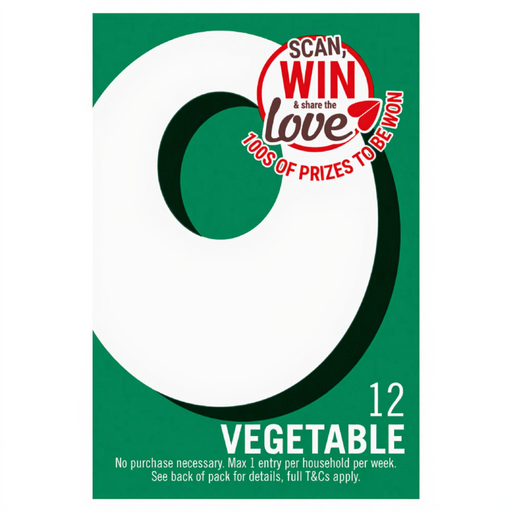
Why This Fits Their Persona: A practical multipack for families, meal planners and anyone building a versatile cupboard selection for soups, pasta, casseroles and sauces.
The preparation guidance states that one cube can be dissolved in 190ml of boiling water or crumbled into dishes, making portion control straightforward. It is labelled suitable for vegetarians and vegans, although it contains wheat and barley.
Twelve individually wrapped cubes; suitable for vegetarian and vegan recipes; prepared stock provides 8 kcal per 100ml.
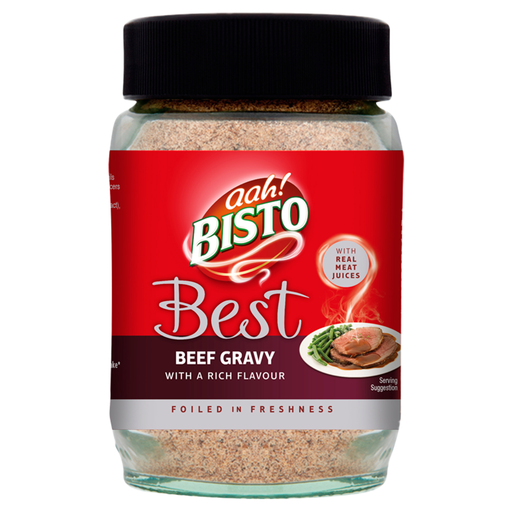
Why This Fits Their Persona: Suits shoppers who want a quick, smooth beef gravy for Sunday roasts, bangers and mash, steak and ale pie or midweek meals.
The label identifies beef extract powder at 1% and provides a defined four-heaped-teaspoon to 280ml water method. It contains soya, so it is not suitable for every guest.
230g dry format; can be adjusted to taste; prepared portion information is supplied on the product listing.
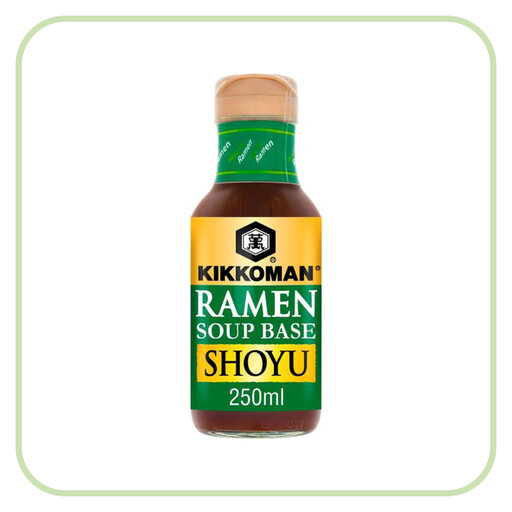
Why This Fits Their Persona: Designed for frequent noodle meals, quick lunches and cooks who want to customise ramen with vegetables, eggs, tofu or other toppings.
The stated ratio is 30ml soup base to 270ml boiling water, allowing repeatable portions rather than guesswork. The ingredients include soya beans and wheat, so check the allergen information before serving.
250ml concentrated bottle; suitable for ramen, noodle soups, stir-fries and rice dishes; refrigerate after opening.
We have compiled a complete, real-time list of products that fully satisfy these strict selection criteria and UK safety regulations.
Before adding stock cubes and gravy granules to your basket, check:
There is no universal ratio. Many products use between 190ml and 500ml per cube or portion. Follow the pack instructions, then adjust gradually according to the recipe and desired strength.
Many instant gravy granules only require boiling water and vigorous stirring in a jug. Ready-made gravy may need heating, while some stock products can be added directly to a pan. Always follow the specific preparation instructions.
Unopened dry products usually carry a best-before date and should be kept sealed in a cool, dry place. Moist stock pots and opened bottles can have different storage requirements. Check the packaging and use opened products within the stated period.