
24/7 Customer Support

Free returns

Same-day & Next-day Delivery

Quality Guaranteed

Unlock Your Welcome Offers: FREE Delivery | Up to 80% OFF | Free 30-day JoyPlus trial
Download the APP
Stock cubes and soup bases can make a noticeable difference to soups, stews, sauces, noodles and hot pots. They can also become an expensive cupboard mistake when the format, ingredients or dilution instructions do not match the way you cook.
A cube designed for a 190ml mug of stock is not automatically suitable for a large casserole. A concentrated Japanese soup base may need several parts of water, while a dry wonton soup mix may be portioned for a specific volume. Before buying, check the following common pitfalls.
A bottle or pouch may look expensive compared with a box of cubes, but its serving yield can be very different. Check the recommended dilution ratio and calculate the cost per prepared portion rather than comparing pack prices alone.
For example, Kikkoman Hon Tsuyu suggests mixing one part concentrate with two to four parts water, while Sempio Bonito Soup Base gives a typical soup ratio of one part base to ten parts hot water. These products are intended for different cooking styles and strengths.
Stock products are designed to deliver concentrated flavour, so salt levels can be substantial. OXO Vegetable Stock Cube lists 0.92g salt per 190ml prepared stock, while Sempio Bonito Soup Base lists 15g salt per 100g. This does not make either product unsuitable, but it does mean you should avoid adding salt until the dish has been tasted.
Ingredients such as monosodium glutamate, yeast extract and nucleotide flavour enhancers are also common. If you prefer a shorter ingredient list, compare the full label rather than relying on front-of-pack descriptions such as “rich” or “authentic”.
Chicken stock cubes, vegetable stock cubes, beef stock cubes and lamb stock cubes are useful for familiar British dishes, but Japanese, Chinese and Caribbean soup bases often contain distinctive ingredients such as bonito, kelp, soy, sesame, chilli or allspice.
A dashi stock may work well in udon or miso-style dishes but may not suit a traditional roast gravy. Likewise, a hot pot soup base can be too strongly seasoned for a simple vegetable soup. Match the product to the dish you are actually planning to cook.
Stock products generally fall into four groups:
UK food labels must identify regulated allergens in the ingredients list. Common allergens in this category include wheat, gluten, soya, celery, fish, crustaceans, molluscs, milk and sesame.
A product described as vegan or suitable for vegetarians should still be checked against the current packaging. Kikkoman Concentrated Ramen Noodle Soup Base is listed as suitable for vegans, while Knorr 8 Vegetable Stock Pot is described as gluten-free and suitable for vegetable-based, vegan and vegetarian meals, but contains celery.
For halal shoppers, Nan De Halal Chicken Stock Seasoning is presented as halal-certified in its product information. Check the certification mark and current packaging before purchase, particularly if dietary compliance is essential.
Dry cubes and granules usually need a cool, dry cupboard. Liquid concentrates commonly require refrigeration after opening. JUMBO Crayfish Stock, for example, advises refrigeration after opening and use within five days, or freezing for longer storage.
Do not assume that a large pack is economical if you only cook occasionally. A smaller bottle or sachet may reduce waste, especially for speciality products such as crayfish stock, ramen soup base or dashi stock.

Why This Fits Their Persona: Individually foil-wrapped cubes are practical for students, first kitchens and busy households preparing soups, sauces or vegetable meals.
The pack gives a clear one-cube-to-190ml preparation instruction, making portioning more predictable than an unmeasured concentrate.
Suitable for vegetarians and vegans; individually wrapped; usable directly in dishes or dissolved in water.
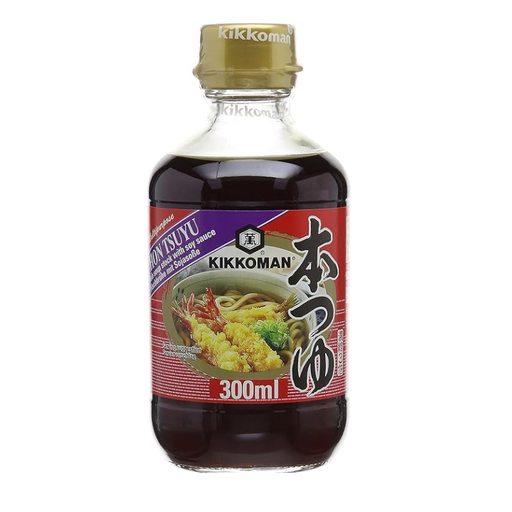
Why This Fits Their Persona: A versatile Japanese concentrate for cooks who want one bottle for noodle broths, hot pots, dipping sauces and soup-style dishes.
The stated two-to-four-parts-water dilution range lets users adjust intensity instead of treating the concentrate as ready-to-drink stock.
Contains fish, soy and wheat; no added preservatives listed; suitable for several Japanese-style applications.
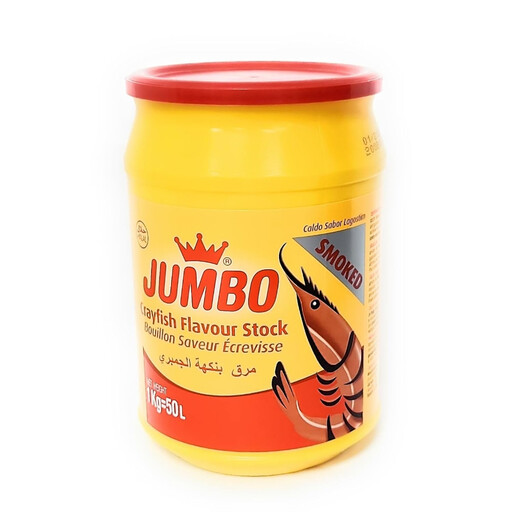
Why This Fits Their Persona: The 1000g format suits frequent seafood cooking, including bisques, risottos, sauces and shellfish stews.
The product clearly identifies crayfish as 25% of the ingredients and states the storage requirement after opening, helping buyers plan around allergen and freshness concerns.
Large food-service-style pack; suited to seafood recipes; can be refrigerated or frozen after opening.
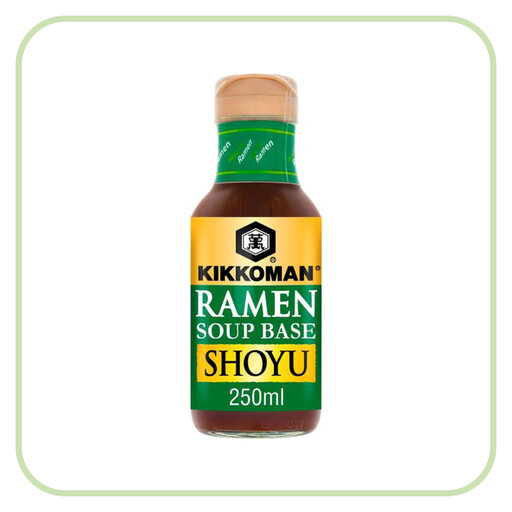
Why This Fits Their Persona: Designed for quick shoyu ramen, it is useful for weeknight noodle bowls, stir-fries and rice dishes.
The preparation guidance specifies 30ml base with 270ml boiling water, so users can reproduce a measured bowl rather than guessing.
Listed as suitable for vegans; made in Japan; contains wheat and soya, which are clearly identified as allergens.
We have compiled a complete, real-time list of products that fully satisfy these strict selection criteria and UK safety regulations.
Follow the pack instructions first, then dissolve the cube in boiling water or crumble it directly into the pan. Add other salty ingredients gradually and taste before adjusting seasoning. For a casserole or stew, the cube can often be added directly with the cooking liquid.
Storage varies by product. Keep unopened products according to the label, and refrigerate liquid concentrates after opening when instructed. Some products specify use within a few days, while dry mixes generally need to be sealed and kept away from moisture.
Some are, but the category is not uniform. Check for meat extracts, fish, milk, celery and other allergens. Products such as vegetable stock cubes may be suitable for vegetarians or vegans, while a halal chicken seasoning should display appropriate certification information. Always verify the current packaging before serving guests or family members with dietary requirements.