
24/7 Customer Support

Free returns

Same-day & Next-day Delivery

Quality Guaranteed

Unlock Your Welcome Offers: FREE Delivery | Up to 80% OFF | Free 30-day JoyPlus trial
Download the APP
A beautiful planter can transform a patio, frame a doorway or bring life to a forgotten corner of the garden. The appeal of stone effect garden planters is clear: they offer the timeless, solid aesthetic of natural stone without the back-breaking weight and hefty price tag. However, the market is flooded with options, and not all are created equal. Many promising-looking pots can quickly lead to disappointment.
As a Product Recommendation Officer at Joybuy, I see firsthand where shoppers go wrong. Before you invest in new containers for your garden, let's look at the common pitfalls that can turn your planting project into a frustrating and costly exercise.
To ensure your planters last for years and help your plants thrive, focus on these key parameters rather than just the surface-level appearance.
The term "plastic" covers a wide range of qualities. For outdoor use in the UK, you should look for planters made from high-quality, durable materials. Modern recycled plastic planters are an excellent choice, offering a more sustainable option that repurposes waste materials.
Crucially, check for UV-stabilisation. This process protects the material from the sun's rays, preventing the colour from fading and the plastic from becoming brittle over time. This is the single most important factor that makes a planter genuinely weatherproof and suitable for year-round outdoor exposure.
The ideal planter is easy to move when empty but sturdy when filled. A good lightweight garden pot allows you to rearrange your patio pots and planters with the seasons. However, its design must provide stability. Look for:
This balance is especially critical for large outdoor plant pots, which need to support the weight of mature shrubs or small trees without becoming a hazard.
Proper drainage is non-negotiable for healthy container gardening. Before purchasing, flip the pot over and inspect the base. The best options will either have pre-drilled drainage holes or clearly marked, slightly thinner sections that can be easily drilled out at home.
Consider the internal dimensions, not just the external ones. A deep pot encourages strong root growth, which is essential for perennials, shrubs and vegetables. Whether you're looking for a classic round pot or a contemporary trough, ensure the size is appropriate for the plants you intend to grow.
Instead of a one-size-fits-all approach, we've matched some reliable options to specific gardening needs and styles.
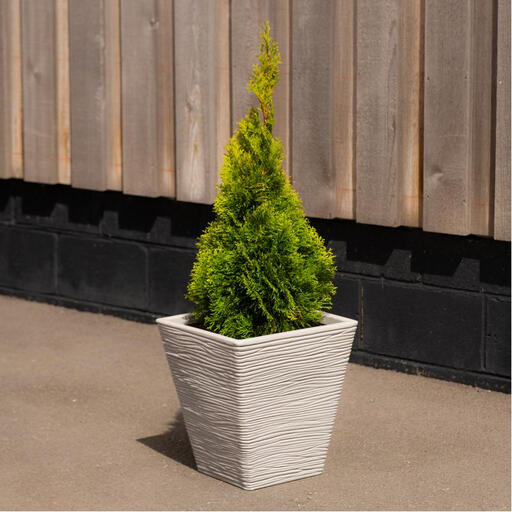
Why This Fits Their Persona: This planter is ideal for those with smaller outdoor spaces like a patio, balcony or front step. Its manageable size provides a stylish, modern stone look without overwhelming the area, and its lightweight construction is perfect for locations with weight restrictions or for gardeners who enjoy rearranging their displays.
Made from durable, frost-resistant recycled plastic, it directly counters the cracking pitfall of cheaper materials. The stable, tapered square base provides good stability, avoiding the "unstable lightweight" problem.
Delivers a convincing stone aesthetic in a compact, easy-to-handle format. It is UV-stable for long-lasting colour and durability.
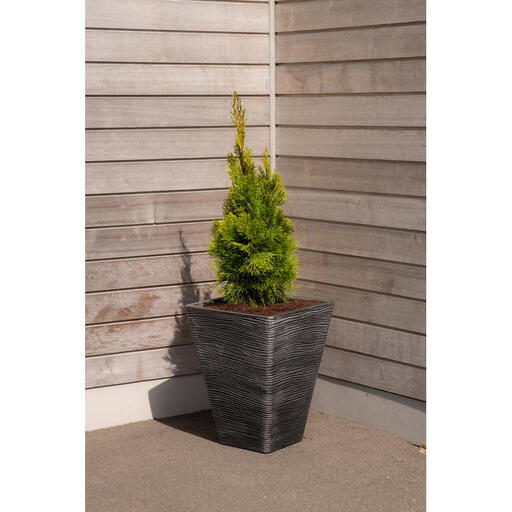
Why This Fits Their Persona: For those seeking to create a dramatic focal point with a large shrub or small ornamental tree. Its generous size and contemporary pewter finish make it a great choice for modern garden designs, flanking a large entrance or adding structure to a minimalist slate patio.
This is a large but lightweight garden pot, solving the logistical problem of positioning heavy stone. Its recycled plastic construction is fully frost-proof and UV-stable, ensuring it survives UK weather without fading or cracking.
Provides the impressive scale of a traditional large outdoor plant pot without the immense weight. The cool pewter tone offers a modern alternative to traditional stone colours.
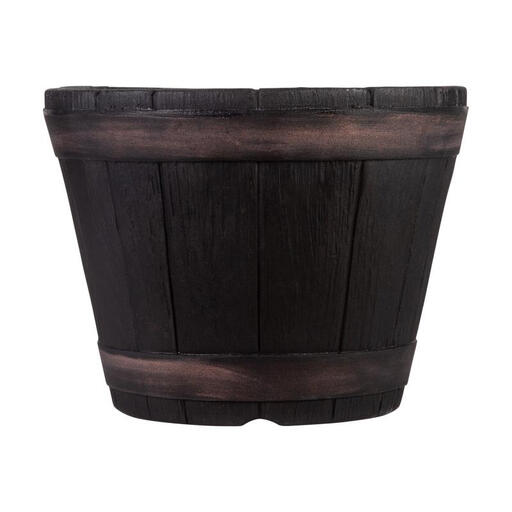
Why This Fits Their Persona: This is for the gardener who loves the traditional look of a cottage or country garden but wants to avoid the maintenance of real wood. This **wood effect planter** is perfect for creating a rustic feel on decking, patios or amongst flower beds with zero risk of rot.
It completely sidesteps the primary pitfall of wooden planters—deterioration. Being made of recycled plastic, it will not rot, warp or absorb moisture, and requires no annual treating or staining to keep its appearance.
Offers the authentic, textured appearance of an oak barrel with the zero-maintenance durability of a modern, weatherproof material.
We have compiled a complete, real-time list of products that fully satisfy these strict selection criteria and UK safety regulations.
They certainly can, but higher-quality models are very convincing. The key difference lies in the manufacturing process. Look for planters with a matte, non-glossy finish and visible texture. Premium versions are often made from moulds of real stone, capturing natural imperfections. In contrast, cheap, smooth and shiny plastic will rarely look authentic.
This is a valid concern, especially in exposed, windy gardens. The solution is to lower the pot's centre of gravity. Before adding your compost, place a 5-10cm layer of heavy material like gravel, stones or even broken pieces of old terracotta pots at the bottom. This adds ballast and makes the planter significantly more stable without making the entire pot unmanageably heavy.
Yes, ensuring adequate drainage is essential. Many quality planters come with pre-drilled holes. If not, they often have designated thinner sections on the base, marked with a drill symbol, to make the job easy. If your planter has neither, you should drill three to five 1-2cm holes in the base before planting. This simple step is the best insurance against waterlogged soil and root rot.